Category: Travel & Leisure

  • Surf Accommodation Nusa Lembongan Near Playgrounds

    Surf Accommodation Nusa Lembongan Near Playgrounds

    Finding the right surf accommodation in Nusa Lembongan can shape the entire rhythm of your island trip. For surfers visiting Playgrounds, Lacerations, Shipwrecks, and nearby reef breaks, location matters because the best days often start early, depend on tide movement, and end with relaxed ocean-view downtime close to the beach.

    Why Do Surfers Choose Nusa Lembongan?

    Nusa Lembongan has become one of Bali’s most appealing island escapes for surfers who want warm water, reef breaks, relaxed accommodation, and a slower pace than the mainland. The island is close enough to Bali for a short transfer, yet it feels different once you arrive. The traffic is lighter, the coastline is compact, and many of the surf breaks sit within view of Jungutbatu and Coconut Beach.

    For many Australian travellers, this makes Lembongan a natural extension of a Bali surf holiday. Bali recorded nearly 6.95 million international visitors in 2025, with Australia remaining the largest source market. That steady travel connection helps explain why more surfers are looking beyond Canggu, Uluwatu, and Kuta for a quieter island base.

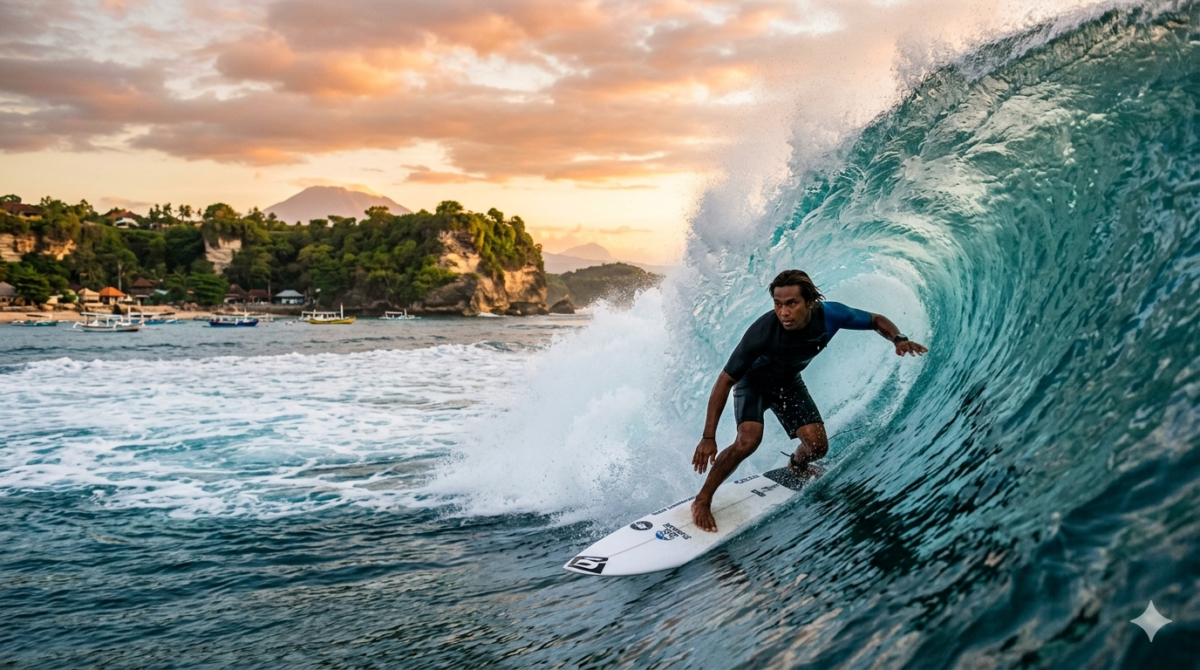
    The main surf appeal is variety. Playgrounds are usually the most approachable, Lacerations can become fast and hollow, and Shipwrecks is known as a more powerful right-hander for confident surfers. This mix gives surfers different options depending on swell, tide, and ability level.

    Where Should Surfers Stay Near Playgrounds?

    Surfers should stay close to Jungutbatu, Coconut Beach, or the hillside areas overlooking the main breaks. These locations make it easier to check conditions, organise boat rides, return between sessions, and enjoy the island without spending too much time moving around.

    That is why surf accommodation in Nusa Lembongan should be more than just a place to sleep. A good surf base gives you quick access to the beach, enough space for boards and wet gear, comfortable recovery areas, and views that keep you connected to the ocean even after your session ends.

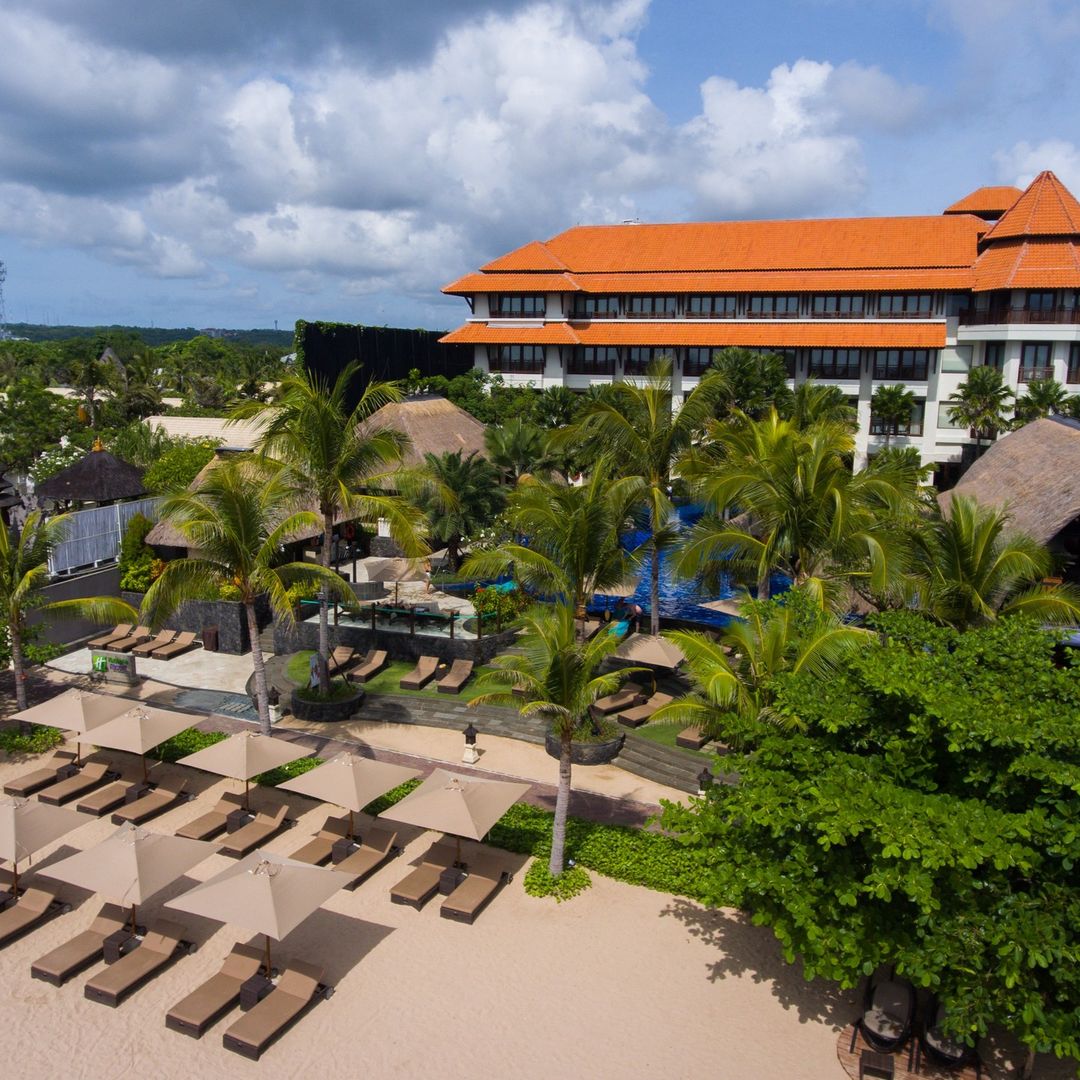
    Properties such as Lembongan Island beach villas are especially useful for surfers who want a relaxed villa setting with easy access to the island’s surf zone. For guests comparing Lembongan beach villas or a Lembongan beach villa resort-style stay, the key is choosing a location that balances beach access, privacy, and post-surf comfort.

    Why Does Location Matter for Surf Trips?

    Surf trips are built around timing. A wave that looks average at one tide can become excellent a few hours later. Wind, swell direction, crowd levels, and boat access can all change the plan. Staying close to the breaks gives surfers more flexibility to check conditions and decide when to paddle out.

    The best surf accommodation in Nusa Lembongan makes it easier for surfers to maintain a daily rhythm. You can wake early, look toward the water, message a local boat captain, surf a morning session, return for breakfast, rest, and go again if the tide improves. This is much harder when your accommodation is far from the surf zone.

    A good Nusa Lembongan boat transfer also helps the trip start smoothly. Most travellers arrive from Sanur, with typical fast-boat crossings taking around 30–40 minutes, depending on sea conditions. Larger groups or surfers carrying several boards may also consider a private boat to Nusa Lembongan for easier logistics.

    Which Surf Breaks Are Nearby?

    Playgrounds are often the first break surfers talk about because they are close, accessible, and suitable for a wider range of ability levels when conditions are friendly. It can offer both lefts and rights, making it a practical place for mixed groups or surfers warming up after travel.

    Lacerations sits near Playgrounds and can be more technical, especially when the swell is stronger. It is known for faster sections and a sharper reef, so surfers should respect the conditions and only paddle out when their ability matches the wave.

    Shipwrecks are usually better for intermediate to advanced surfers. It is farther out and often reached by boat, with right-hand waves that can be powerful and exciting on the right swell. For anyone searching for a serious Nusa Lembongan surf spot, this area offers enough variety to make several days feel worthwhile.

    What Makes a Villa Better for Surfers?

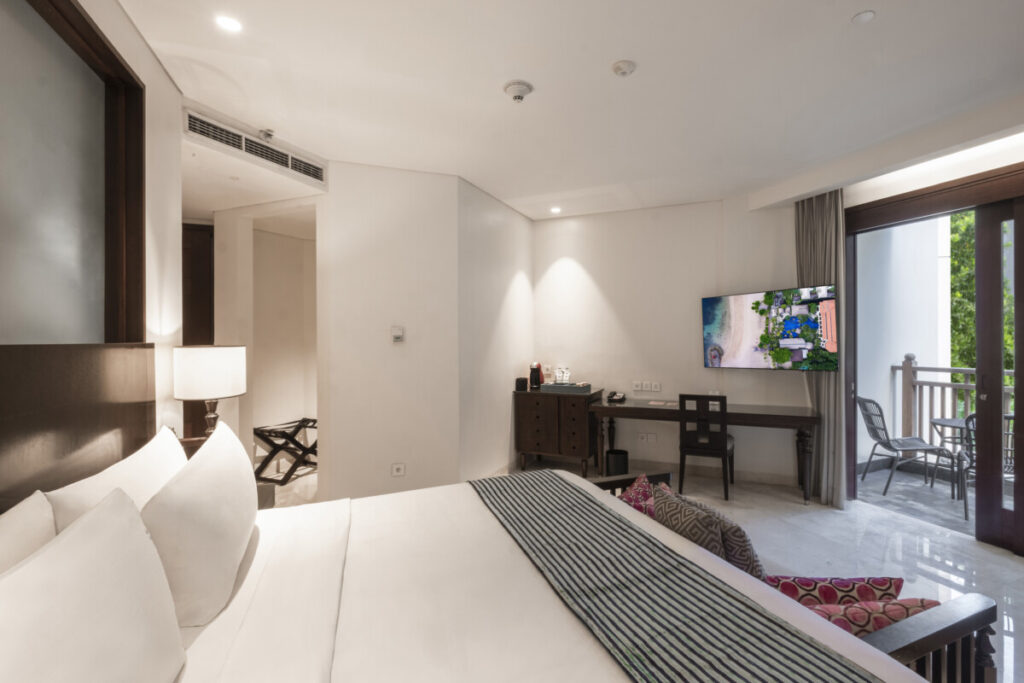
    A villa can make a surf trip feel more relaxed than a standard hotel room. Surfers often need open living areas, outdoor showers, balconies, drying space, and a place to rest between sessions. A villa also works well for friends travelling together, couples with different schedules, or families where only some people surf.

    Travellers comparing villas on Lembongan Island may look for a villa in Nusa Lembongan with sea views, easy beach access, and enough privacy to feel at peace after a long day outside. The best villa in Nusa Lembongan is often the one that matches your surf routine rather than simply the most luxurious option.

    Some guests may prefer a villa in Nusa Lembongan, Bali, with kitchen facilities and multiple bedrooms, while others may search for a villa for rent in Nusa Lembongan for a longer island holiday. Families may also consider Nusa Lembongan family accommodation if non-surfers want pool time, beach walks, and relaxed dining while surfers chase waves.

    What Can Surfers Do After a Session?

    Post-surf time is part of the experience. Nusa Lembongan is small enough to enjoy without overplanning, but it still offers plenty to do after the tide turns. Travellers looking for accommodation in Nusa Lembongan often want a base near restaurants, viewpoints, spas, and beach clubs.

    Lembongan Island restaurants make it easy to recover with seafood, smoothie bowls, Indonesian dishes, and casual sunset meals. Before arriving, it helps to shortlist the best places to eat in Nusa Lembongan, especially if you are travelling with a group. Surfers looking for the best food or lunch in Nusa Lembongan will find plenty of simple, beach-friendly options near Jungutbatu.

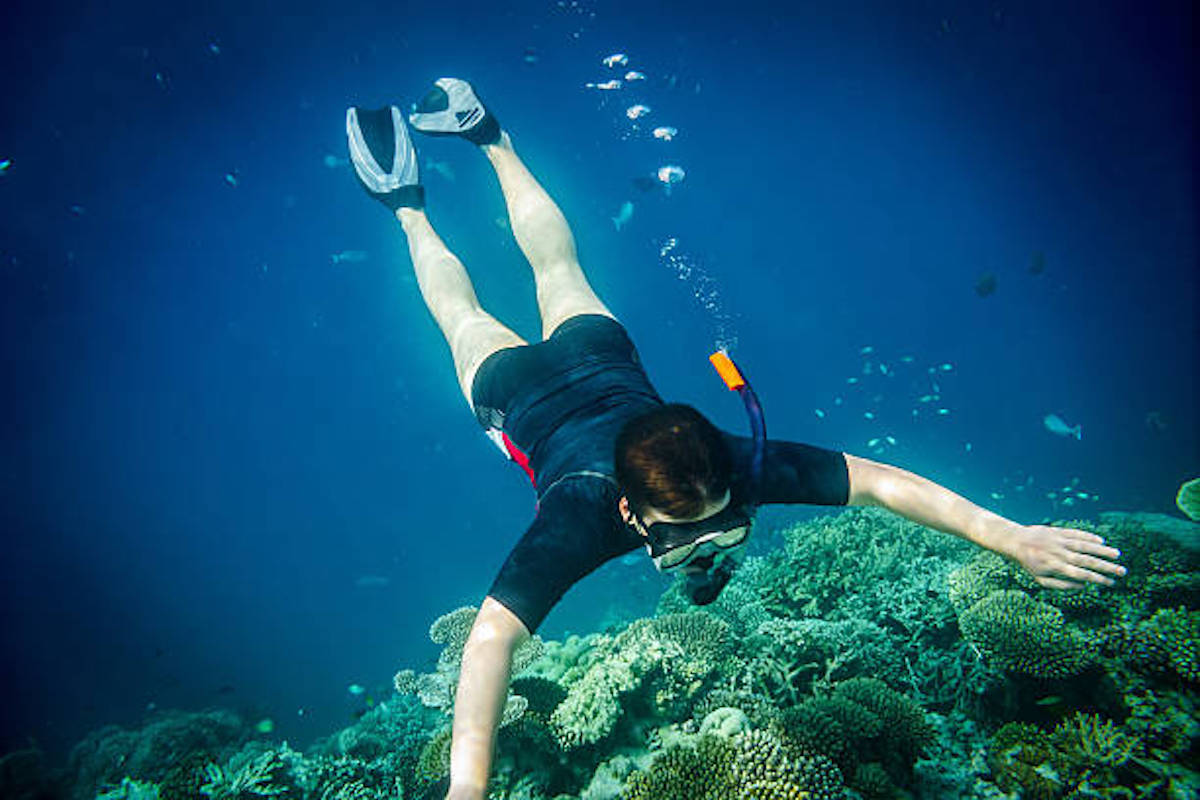
    For recovery, yoga in Nusa Lembongan is a good way to stretch tired shoulders and hips after paddling. Non-surf days can include snorkeling in Nusa Lembongan, Nusa Lembongan diving, or a Nusa Lembongan snorkeling tour around nearby reefs and manta areas when conditions allow. If you want a change of scenery, you can also explore Ceningan Island accommodation options or visit Nusa Ceningan for a day.

    Is Nusa Lembongan Only for Surfers?

    No. One reason Nusa Lembongan works well for surf trips is that non-surfers can still enjoy the island. Friends, partners, or family members can relax by the pool, join snorkelling trips, book spa treatments, explore beaches, or enjoy sunset drinks while surfers head out.

    This makes it easier to plan mixed holidays. Some guests want to surf in Nusa Lembongan every day, while others prefer slow mornings and island dining. Those searching for the best place to stay in Nusa Lembongan should consider both surf access and what the rest of the group wants to do.

    Evenings are easygoing. The best bars in Nusa Lembongan are usually casual and sunset-focused, making them ideal after a full day in the water. You can keep the trip social without needing the nightlife intensity of mainland Bali.

    Final Thoughts

    For surfers who want easy access to Playgrounds, ocean views, and a relaxed island rhythm, choosing surf accommodation in Nusa Lembongan is one of the smartest parts of planning the trip. The right location helps you check waves, manage tides, arrange boat rides, recover between sessions, and enjoy the island beyond the surf.

    Nusa Lembongan is not just a surf stop. It is a compact island escape where reef breaks, villa living, beach restaurants, and quiet ocean views come together. For surfers who want a Bali-area trip with less rush and more connection to the water, it offers the right balance of convenience and adventure.
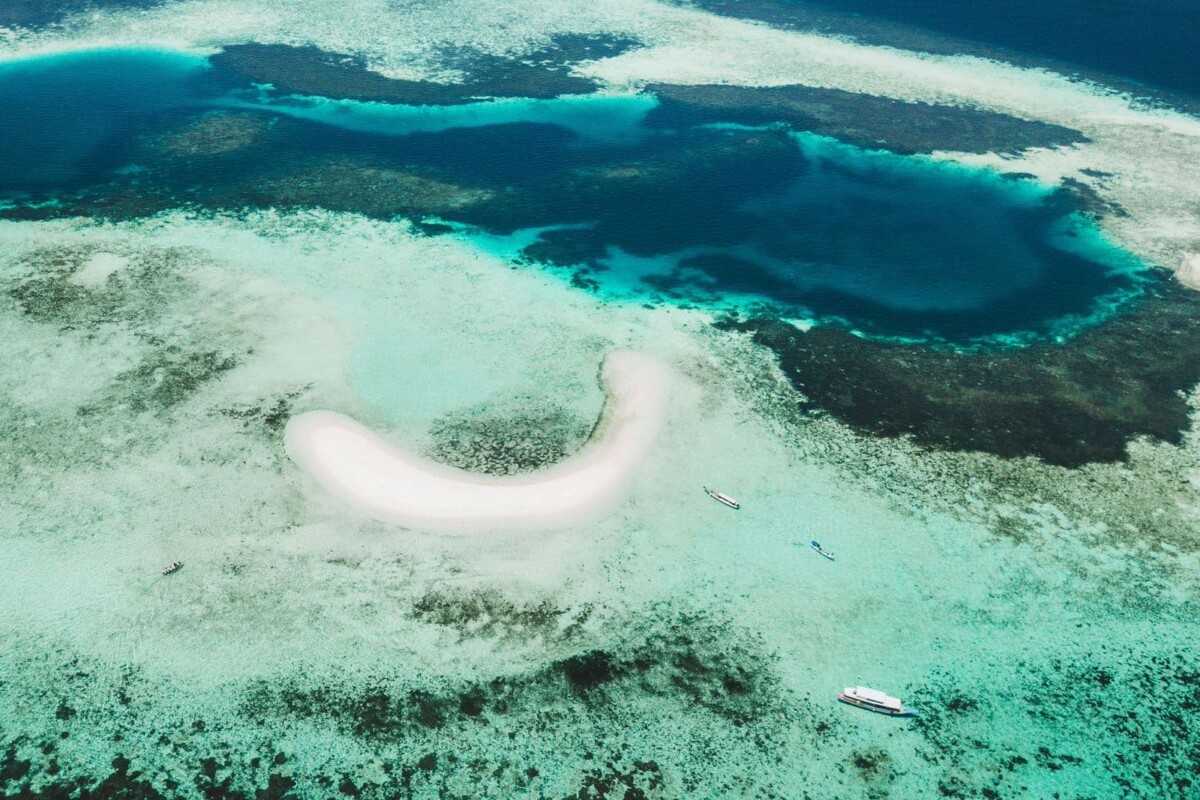
  • Exploring Raja Ampat: The Insider’s Guide to Liveaboard Diving Adventures

    Exploring Raja Ampat: The Insider’s Guide to Liveaboard Diving Adventures

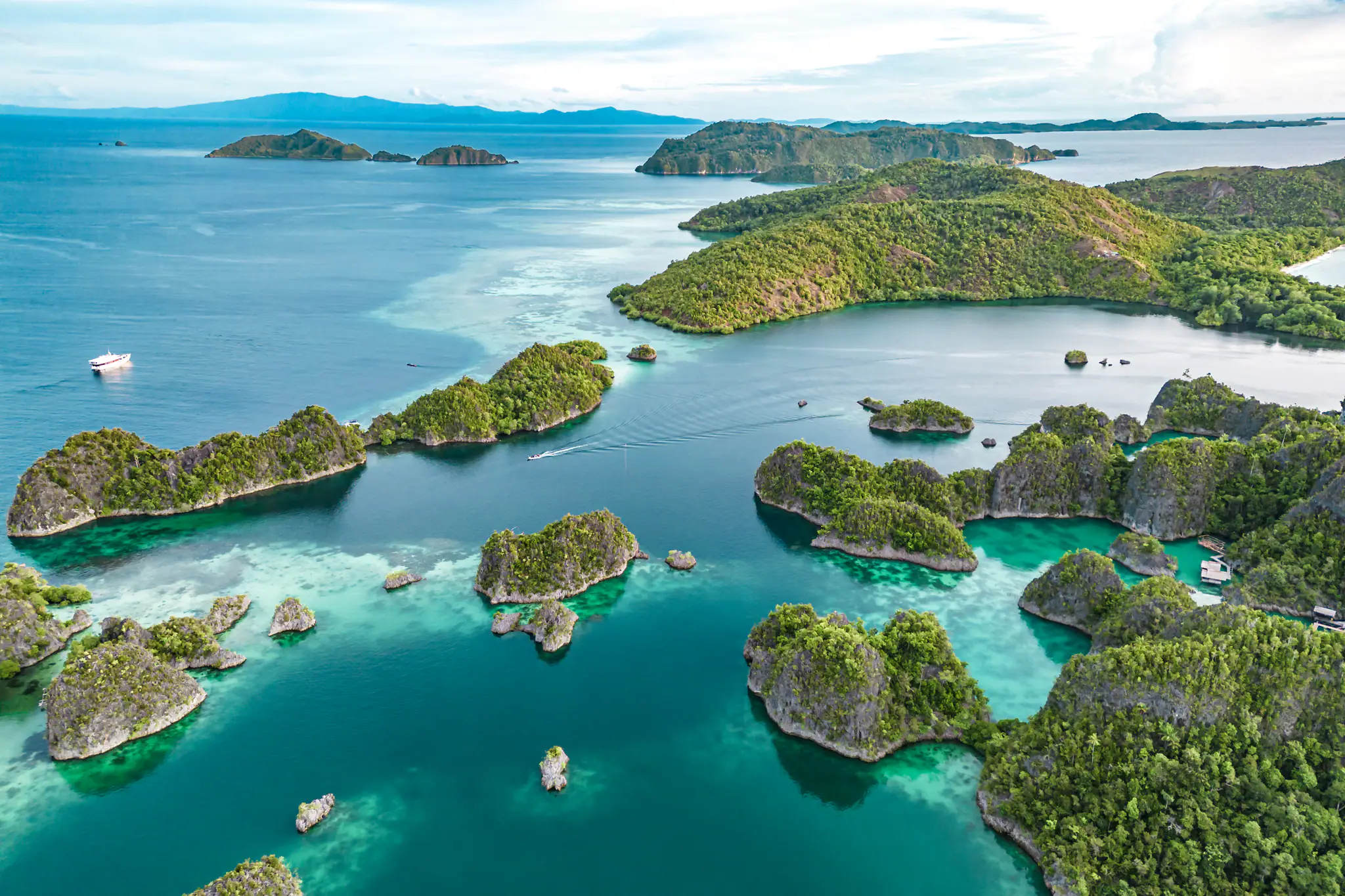
    Raja Ampat, located in Indonesia’s West Papua province, is globally renowned for its staggering marine biodiversity and pristine underwater landscapes. For serious divers, a Raja Ampat Liveaboard offers a unique opportunity to immerse fully in this vibrant ecosystem. By staying aboard a diving vessel, enthusiasts can explore multiple remote dive sites across the Jaw-dropping archipelago with comfort and convenience. This guide delves into the top itineraries, marine wonders, and practical advice to optimize your liveaboard diving adventure in Raja Ampat.

    Introduction to Raja Ampat and Its Marine Park

    Raja Ampat spans over 1,500 small islands, cays, and shoals, making it one of the most complex marine environments on the planet. The area is protected under the Raja Ampat Marine Park, which safeguards over 75% of known coral species worldwide. This biodiversity hotspot attracts divers and marine biologists alike, eager to witness its remarkable reef systems, rare species, and clear waters.

    Exploring this vast expanse by land alone limits access to many prime dive spots. Liveaboard vessels offer a strategic advantage by allowing divers to reach secluded dive sites such as Dampier Strait and Misool that are impractical to reach from shore-based accommodations on a daily basis. The immersion into Raja Ampat’s underwater world via liveaboard expeditions ensures a deeper, more varied experience unmatched by traditional day diving.

    Why Choose a Liveaboard for Raja Ampat Diving?

    A liveaboard experience in Raja Ampat is more than just transportation; it is an extended underwater journey. Staying on a boat means diving multiple times a day at different locations, maximising your time exploring diverse marine habitats. It eliminates long daily commutes to dive sites, offers flexible schedules adapted to weather and tide conditions, and grants access to rarely visited sites.

    Guests benefit from onboard amenities, expert dive guides familiar with Raja Ampat’s delicate ecosystems, and camaraderie with fellow divers sharing a passion for underwater discovery. Many liveaboards are equipped for high comfort levels, ensuring rest and relaxation between dives. Opting for a liveaboard is ideal for divers seeking an immersive, adventurous, and comprehensive Raja Ampat diving experience.

    Detailed Dive Itineraries and Popular Routes

    Raja Ampat liveaboards commonly offer a range of itinerary options to cater to various preferences and timeframes. Popular routes typically last 7, 10, or 12 nights, each carefully designed to showcase key dive sites while balancing diving intensity and leisure.

    Key Dive Sites in Raja Ampat: Waigeo, Dampier Strait, Misool

    Waigeo Island’s dive sites such as Cape Kri and Manta Sandy boast vibrant coral reefs and frequent manta ray sightings. Dampier Strait is famous for its strong currents, which bring in an array of pelagic species, making it ideal for experienced divers seeking thrilling drift dives. Misool, in the south, features spectacular walls covered in soft corals and a variety of macro marine life, making it a favourite for photographers.

    Sample 7-, 10-, and 12-Night Liveaboard Trips

    A 7-night itinerary might focus on Waigeo and parts of Dampier Strait with multiple dives daily to optimise encounters with reef sharks and turtles. A 10-night trip typically expands south to include Misool’s pristine reefs and hidden lagoons. The 12-night option offers a full exploration of Raja Ampat’s three main areas, including rarely visited locales, providing the ultimate liveaboard immersion.

    Seasonal Diving Conditions and Best Time to Visit

    The region experiences two primary seasons: the dry season from October to April and the rainy season from May to September. The dry season is generally preferred for liveaboard diving, as seas are calmer, visibility is clearer, and marine life is abundant. During rainy months, rough waters can limit access to some sites, though specially designed liveaboards still operate with experienced crews.

    Planning your trip around the dry season maximizes diving comfort and safety, though some species’ mating or migration events may occur year-round. It is advisable to consult with operators for current conditions and site availability before booking.

    Marine Life Highlights: What You Can Expect to See

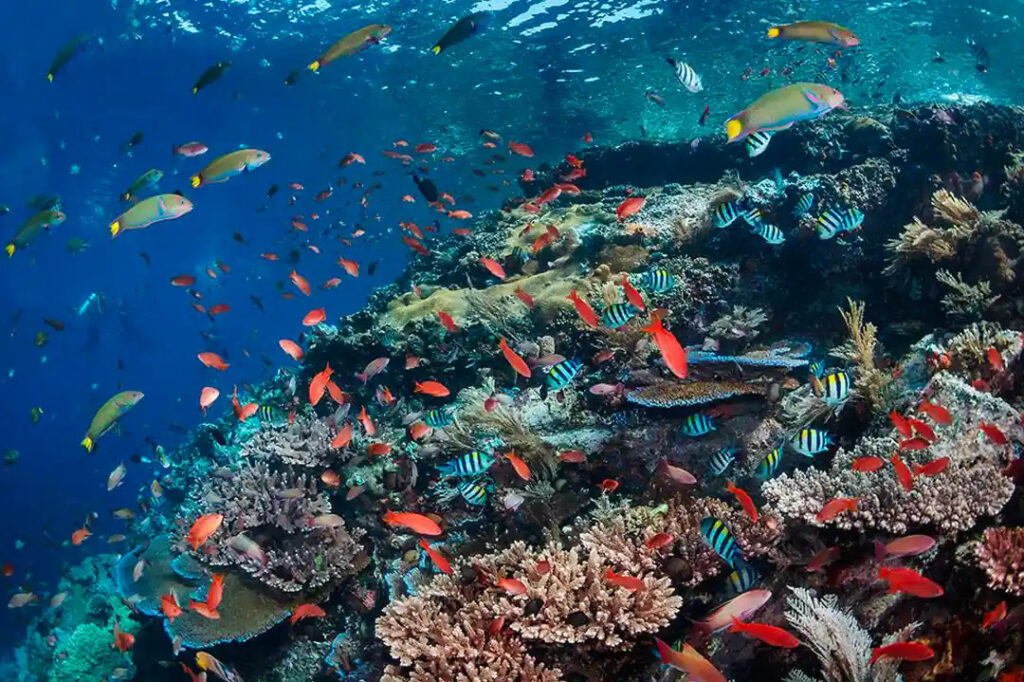
    Raja Ampat’s waters teem with life, hosting over 1,500 species of fish. Divers commonly encounter majestic manta rays, various types of sharks, Napoleon wrasse, and colourful nudibranchs. Soft coral gardens flourish here, creating a kaleidoscopic underwater landscape attractive to macro photographers.

    The diversity extends beyond typical reef dwellers, including seahorses, pygmy seahorses, rare frogfish, and extensive schools of barracuda. Each dive site offers a distinctive microhabitat. Knowledgeable dive guides enhance encounters by spotting and identifying hidden creatures critical to Raja Ampat’s ecosystem.

    Luxury vs Budget Liveaboard Options Compared

    Liveaboards in Raja Ampat range from budget-conscious vessels to luxury yachts. Budget options prioritise basic comfort, often with shared facilities and simple meals, while still providing competent dive operations. Luxury liveaboards offer spacious cabins with private bathrooms, gourmet dining, dive camera stations, and leisure amenities like sun decks and lounges.

    Choosing between budget and luxury depends on preferences for comfort, trip length, and budget. Some travellers prioritise maximising dive time within a modest budget, while others seek a pampered experience integrated with diving. Both types prioritise safety and expert guiding.

    Preparing for Your Liveaboard Trip: Packing and Safety

    Proper preparation ensures a smooth and enjoyable liveaboard experience. Essential packing includes personal dive gear, reef-safe sunscreens, medications, and appropriate clothing for tropical evenings. Many operators offer dive equipment rentals, but most experienced divers prefer to bring their own gear for familiarity and hygiene.

    Safety briefings upon embarkation cover dive plan protocols, emergency procedures, and environmental guidelines. Divers should maintain fitness, be certified in open-water diving at a minimum, and follow dive masters’ guidance to mitigate risks. Bringing a dive computer and adhering to safe dive practices is highly recommended.

    User Testimonials and Real Diver Experiences

    Many divers praise liveaboards in Raja Ampat for exceptional underwater encounters coupled with unforgettable onboard hospitality. Testimonials often highlight the diversity of dive sites accessed only by boat, the professionalism of dive guides, and the serene beauty of the archipelago.

    Repeat visitors comment on how each trip uncovers new species and reefs, reflecting Raja Ampat’s dynamic marine ecosystem. Some note the transformative experience of nights spent anchored under stars in remote lagoons, far from crowded tourist hubs.

    Pricing, Booking and Cancellation Policies

    Pricing for Raja Ampat liveaboards varies broadly based on itinerary length, vessel type, and included services. Mid-range trips commonly run several thousand dollars per person for a week-long journey, covering meals, dives, and accommodation.

    Booking well in advance is advised, especially during peak season. Cancellation policies vary by operator but usually require non-refundable deposits with full payment deadlines. Transparent communication and careful reading of terms help avoid surprises. Travel insurance with dive coverage is strongly suggested.

    Sustainable Diving Practices in Raja Ampat

    Preserving Raja Ampat’s fragile marine environment is integral to all liveaboard operations. Responsible diving practices include not touching coral, maintaining buoyancy control, and avoiding disturbance to marine life. Many operators support local conservation initiatives and educate guests on reef preservation.

    Sustainable tourism is vital for the long-term health of these waters and the communities relying on them. Divers are encouraged to respect local cultures and contribute to eco-friendly responsible travel.

    Conclusion

    Embarking on a Raja Ampat Liveaboard journey offers an unrivalled encounter with one of the world’s richest underwater realms. With diverse itineraries, abundant marine life, and expert guidance, liveaboard diving ensures an immersive and transformative experience. Careful planning, respect for the environment, and attention to safety will make this adventure both enjoyable and sustainable. Raja Ampat’s vibrant reefs await those ready to dive deep into nature’s spectacular marine showcase.

  • Discover the Historical Trade Routes Around Komodo with a Boat Charter Komodo

    Discover the Historical Trade Routes Around Komodo with a Boat Charter Komodo

    The Komodo region, renowned today for its breathtaking landscapes and vibrant marine life, once played a pivotal role in ancient maritime trade networks. From the exchange of precious spices to the movement of cultural influences. The waters surrounding Komodo were central to commerce and communication between civilizations. Exploring this rich history adds a fascinating layer to any modern boat charter Komodo experience, blending adventure with historical discovery.

    Komodo’s Strategic Position in Ancient Trade

    The Komodo region was a natural archipelago crossroads in Indonesia. Traders navigating between the Spice Islands (Maluku) and major ports in China, India, and the Middle East found the region’s sheltered bays and predictable monsoon winds ideal for rest and resupply. Early mariners transported sought-after goods such as nutmeg, cloves, and sandalwood, which fueled the spice trade and shaped global economies.

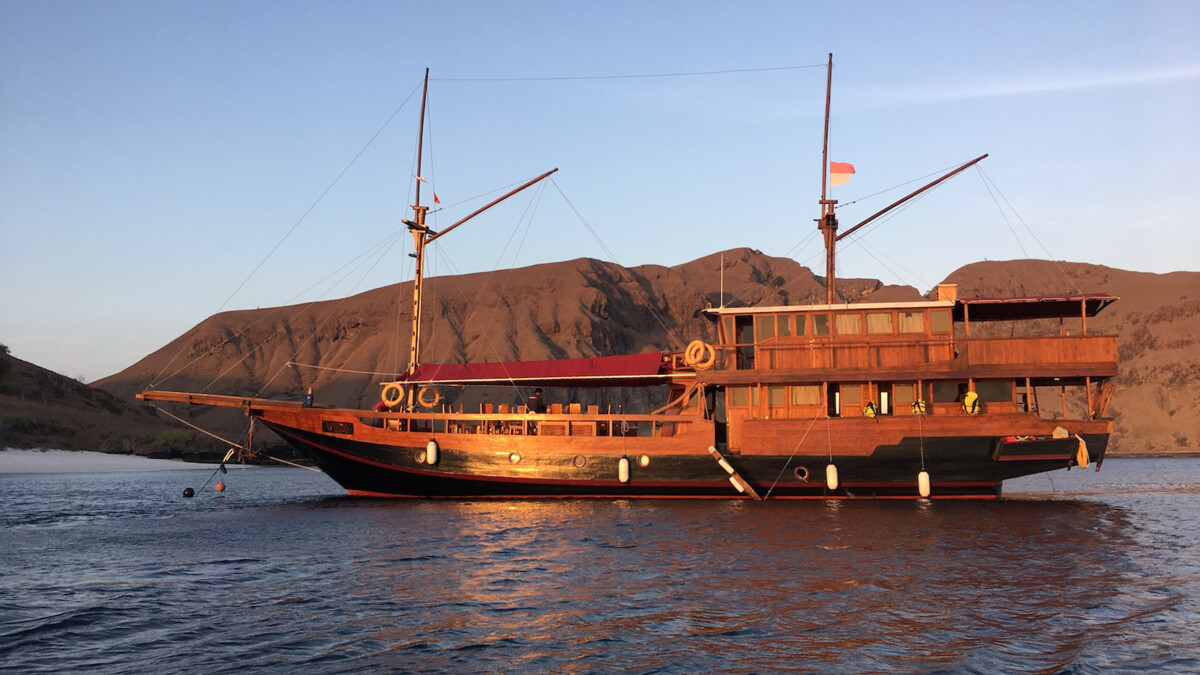
    Aliikai is boat charter to Komodo through historical trade routes

    Artifacts like pottery shards and beads found on neighboring islands suggest Komodo’s inclusion in vast trade networks dating back to the first millennium. This rich history highlights the ingenuity and adaptability of ancient sailors who mastered these waters long before modern navigation tools.

    Also, read Yacht Club in New Bali Marina Elevates Indonesia to Key Maritime Hub

    Cultural Exchange Along the Maritime Silk Road

    The trade routes around Komodo were not just conduits for goods but also ideas, languages, and traditions. As vessels laden with cargo stopped at islands for freshwater or provisions, they facilitated cultural exchanges. Chinese ceramics, Indian textiles, and Middle Eastern glassware found their way into local communities, leaving traces of interconnected histories behind.

    For travelers today, immersing in this legacy is even more special. Take a boat charter to Komodo and explore the same waters ancient mariners once sailed. Guided tours often weave historical narratives into their itineraries, offering a unique perspective on the island’s storied past.

    Modern Echoes of Ancient Routes

    While the ancient trade routes have evolved into recreational journeys, their significance persists in today’s maritime tourism. Komodo National Park has become a top destination for adventure seekers, nature enthusiasts, and history enthusiasts. Luxury yacht options in Indonesia allow visitors to experience the region in unparalleled comfort, retracing routes that once carried the lifeblood of empires.

    The growth of marine tourism, like boat charters around Komodo, helps keep the history of ancient trade routes alive. Travelers can explore the same paths that early merchants used, making their trips even more exciting with stories of trade and cultural mixing.

    Experiencing Komodo’s Maritime Legacy

    For those looking to immerse themselves in Komodo’s maritime history, joining a yacht club or opting for a curated boat tour offers a deeper connection to the region’s past. These excursions combine modern luxury with a sense of adventure. Invite guests to envision life as it was centuries ago while enjoying the stunning beauty of the present-day archipelago.

    The story of Komodo is one of resilience and adaptation—a narrative that resonates with the rhythms of the sea. As you sail these historic waters on a boat charter Komodo, consider the countless voyages that preceded yours, each leaving its mark on this extraordinary part of the world.

  • Yacht Club in New Bali Marina Elevates Indonesia to Key Maritime Hub

    Yacht Club in New Bali Marina Elevates Indonesia to Key Maritime Hub

    Indonesia is boosting its appeal by opening a brand-new Yacht Club in Bali. This exciting project, led by PT Pelabuhan Indonesia, aims to make Indonesia a key player in the global boating scene. Bali, already famous for its beautiful beaches and vibrant culture, will now attract luxury yacht owners, making it an even more beautiful spot for people looking for upscale maritime experiences.

    A New Era for Bali’s Maritime Scene

    Establishing the new Yacht Club in Bali marks a significant milestone in Indonesia’s journey to becoming a leading maritime hub. Pelindo’s CEO, Arif Suhartono, has emphasized that this project expands port facilities and positions Bali and Indonesia as sought-after stops for the global yachting community.

    “The new Yacht Club is designed to cater to the needs of luxury yacht owners and their discerning tastes,” Suhartono stated. This move aligns with the government’s broader strategy to promote tourism and leverage Indonesia’s rich natural marine resources. For yacht owners seeking unparalleled experiences. This expansion is a significant step toward making Indonesia—particularly Bali—a focal point for maritime luxury.

    World-Class Facilities for Yacht Enthusiasts

    The new Yacht Club features facilities that meet international standards and provide exceptional services for both local and international yacht owners. Bali, already a tourist hotspot thanks to its stunning landscapes and vibrant culture, now introduces an exciting new dimension with this modern hub tailored specifically for yachts in Indonesia. With its comprehensive infrastructure, the Yacht Club offers spacious berths, cutting-edge docking technology, and top-tier amenities. Ensuring a smooth and enjoyable experience for all visitors and yacht owners.

    By providing superior services, the Yacht Club aims to attract more luxury yacht travelers to Indonesia, creating new tourism opportunities. This investment supports yacht owners and stimulates economic growth, creating jobs in hospitality, marine services, and local crafts.

    Also, read How To Ensure Your Safety During Holiday In Bali.

    Strengthening Indonesia’s Maritime Economy

    Pelindo has a big plan for a new Yacht Club that aims to strengthen Indonesia’s economy based on its maritime activities. Located in Bali, a popular tourist spot, this club is perfect for expanding various sea-related fun and activities. Pelindo aims to make Indonesia a luxury yacht destination to attract wealthy travelers, boosting local businesses and economic opportunities.

    The government and private sector have strongly supported the Yacht Club, recognizing its potential to bring substantial economic benefits. With the increased number of yachts in Indonesia, local businesses and service providers can expect heightened demand. “This initiative will reinforce Bali’s reputation as a premier yachting destination while driving sustainable economic growth,” Suhartono noted.

    Promoting Tourism and Marine Conservation

    The Yacht Club is part of an initiative to highlight Indonesia’s stunning landscapes and promote eco-friendly tourism. Pelindo is committed to ensuring that the Yacht Club adheres to sustainable practices, which means it strives to grow while caring for the environment. The design of the facilities emphasizes minimizing environmental impact, supporting Indonesia’s efforts to foster responsible tourism and protect the oceans.

    The Yacht Club is taking part in marine conservation.

    For travelers aboard luxury yachts, Indonesia offers more than just facilities; it promises a gateway to some of the world’s most stunning seascapes. Destinations such as Bali and the surrounding archipelago brimming with pristine beaches and diverse marine life allow yacht owners to immerse themselves in adventures that combine luxury and nature. The Yacht Club in Bali is poised to be a beacon for those seeking exclusive and sustainable yachting experiences.

    A Bright Future Ahead

    As the Yacht Club begins to form, the future appears bright for Bali and Indonesia’s boating and sailing industry. By focusing on luxury yachting, the region is setting itself up to become a top destination in Southeast Asia, appealing to travelers looking for high-end experiences. This development seeks to attract luxury yacht owners, position Indonesia as a top leisure destination, and enhance economic growth.

    In conclusion, the new Yacht Club symbolizes more than just enhanced port facilities; it represents Indonesia’s ambitions to redefine its status in the global maritime globe. For yacht enthusiasts and luxury seekers, Bali’s new marina promises an experience that marries luxury, adventure, and sustainability.

  • How Komodo Tour Management Keeps Komodo National Park Clean and Pristine

    How Komodo Tour Management Keeps Komodo National Park Clean and Pristine

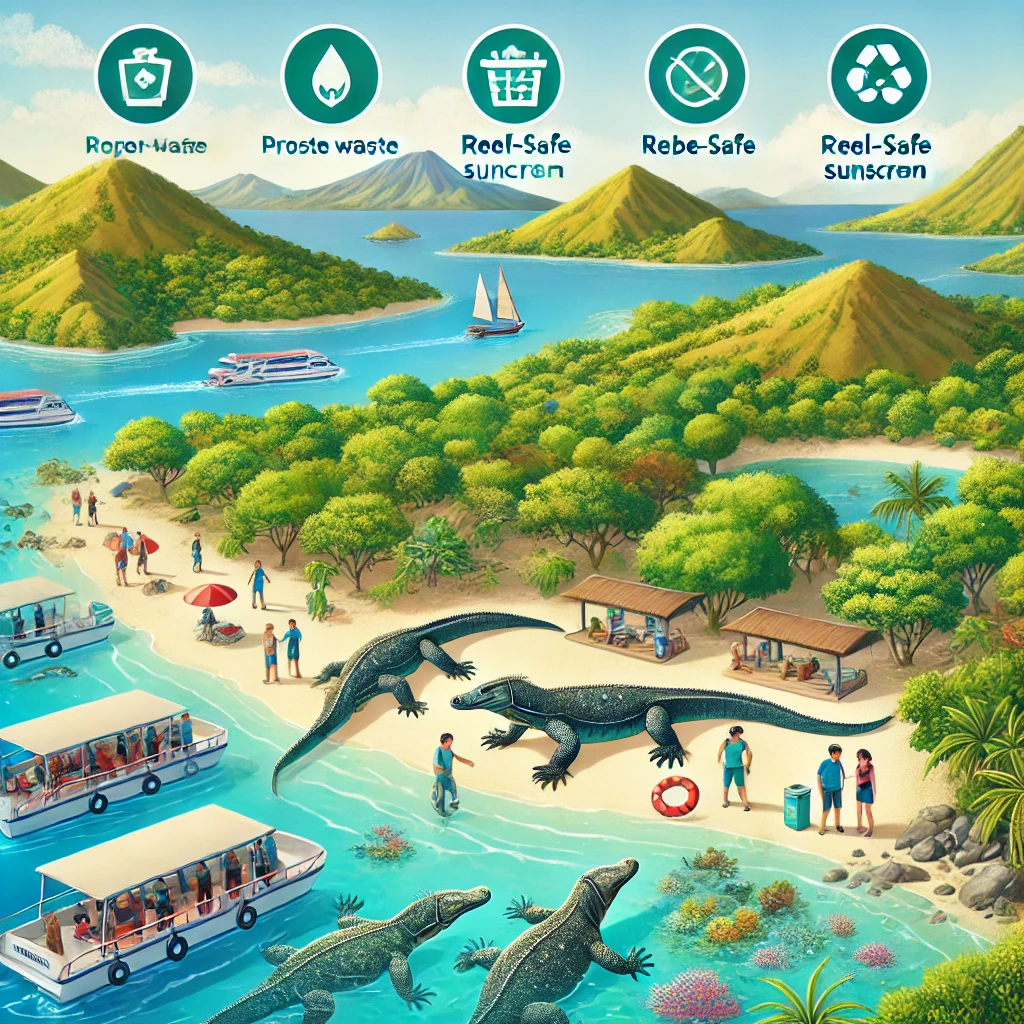
    Komodo National Park, in Indonesia, is home to the world-renowned Komodo dragon and offers some of the most breathtaking landscapes in Southeast Asia. Tourists flock to Komodo Island and its surrounding areas for wildlife encounters, snorkeling, diving adventures, and Komodo tour. With increasing popularity comes the responsibility of maintaining the park’s natural beauty and ensuring it remains clean for future generations. The management of Komodo National Park has taken proactive steps to protect the environment, preserve biodiversity, and create sustainable tourism practices.

    The Importance of Sustainable Tourism in Komodo National Park

    As more visitors book their Komodo tour experiences, pressure on the park’s resources and natural landscapes has increased. Sustainable tourism is a top priority for Komodo National Park management. This approach balances tourism needs with conservation responsibility, ensuring that the influx of tourists does not disrupt the park’s fragile ecosystems.

    Management practices within the park have been designed to minimize visitors’ environmental footprint while promoting eco-friendly tours and activities. Whether guests embark on a Komodo liveaboard adventure or a day tour to Komodo Island, they are encouraged to follow responsible tourism practices that protect the park.

    Also, read Dive with Confidence: Komodo Island Weather Know-How.

    Waste Management and Cleanliness Initiatives

    A key aspect of maintaining the park’s cleanliness is effective waste management. Komodo National Park management has implemented strict regulations to minimize and properly dispose of tourists’ waste. Tour operators, including Komodo liveaboard companies, must adhere to strict waste disposal policies, including using designated waste collection areas on boats and in the park.

    Single-use plastics are discouraged within the park, and many tour operators are transitioning to reusable materials. Many Komodo tour providers now supply reusable water bottles and eco-friendly meal packaging. This reduces the quantity of plastic waste generated, which can damage marine life and the environment.

    Designated staff and park rangers monitor the cleanliness of the park and the surrounding islands. These individuals ensure that tourists and tour operators comply with the park’s regulations. They regularly patrol the islands and beaches to remove any waste that might have been accidentally left behind or washed ashore.

    Conservation Programs and Biodiversity Protection

    Preserving the biodiversity of Komodo National Park is essential for the Komodo dragons and the entire ecosystem. Komodo Island is home to several endemic species, and protecting these animals and their habitats is a primary concern for park management.

    One key conservation initiative is raising tourists’ awareness of the significance of protecting wildlife. During any Komodo tour, visitors are briefed on the behavior of Komodo dragons and the rules they must follow to ensure their safety and the security of the animals. Visitors must keep a safe distance from the dragons and avoid feeding or disturbing them.

    Komodo tour taking part of Conservation Programs and Biodiversity Protection

    Marine conservation is also a significant aspect of Komodo National Park management. The waters around Komodo Island are home to some of the richest marine biodiversity in the world. Coral reefs, mangroves, and seagrass beds are habitats for countless marine species. Park management works with Komodo liveaboard operators to ensure that dive sites are well-protected and that divers follow sustainable practices. Tourists should avoid touching the coral reefs and use reef-safe sunscreen to prevent damage to the marine ecosystem.

    Eco-Friendly Komodo Liveaboard Experiences

    The rise in popularity of Komodo liveaboard tours presents unique challenges in maintaining cleanliness and minimizing environmental impact. Liveaboards allow tourists to explore the park over several days, often aboard boats traveling between the islands. Komodo National Park has set specific guidelines for liveaboard operators to follow to maintain the park’s pristine condition.

    Operators must use environmentally friendly practices such as proper waste disposal, limiting the use of engines to reduce fuel consumption, and ensuring that tourists follow all park guidelines. Additionally, many liveaboard tours include educational programs to increase awareness about the importance of conservation in Komodo National Park. These programs help tourists understand their role in preserving the area’s natural beauty.

    Eco-conscious liveaboard operators are increasingly adopting green technologies, such as solar panels and energy-efficient engines, to reduce their carbon footprint. These efforts align with the park’s goal of promoting sustainable tourism and saving the environment for future generations of visitors and nature.

    Tourist Education and Responsibility

    A crucial aspect of keeping Komodo National Park clean and pristine is educating tourists on their responsibility while visiting. Before Komodo tours or liveaboards, tourists receive detailed instructions on responsible behavior. These instructions cover everything from waste management to respecting wildlife and marine ecosystems.

    Park management encourages tourists to leave no trace behind, ensuring that they take all their waste with them when they leave the park. Visitors are also encouraged to support eco-friendly businesses and tour operators who prioritize sustainability.

    Additionally, volunteer programs within the park allow tourists to actively participate in conservation actions, such as beach clean-ups and coral restoration projects. These programs contribute to the park’s cleanliness and give visitors a deeper understanding of the importance of environmental protection.

  • ITDC Accelerates Gas Pipeline Construction at Beach Resorts in Nusa Dua Area

    ITDC Accelerates Gas Pipeline Construction at Beach Resorts in Nusa Dua Area

    Indonesia Tourism Development Corporation (ITDC), the manager of the Nusa Dua tourism complex, is expediting the construction of a gas pipeline to support the growing energy needs of the area, particularly the luxurious beach resorts. This project is crucial for ensuring a reliable and sustainable energy supply for hospitality establishments at beach resorts in Nusa Dua. The key tourism hub in Bali was renowned for its stunning beachfront resorts, world-class facilities, and unparalleled hospitality.

    Enhancing the Appeal of Nusa Dua’s Beach Resorts

    Nusa Dua is a haven for travelers seeking an idyllic beachfront escape. An idyllic spot with white sand, turquoise water, and palms caters to families, couples, and solo travelers. The area is home to a collection of the finest beach resorts in Bali. Offering luxurious accommodations, impeccable service, and many amenities catering to every vacation whim. Nusa Dua’s beach resorts, ranging from well-known international chains to charming boutique properties, offer something for every traveler, further establishing its status as a top tourist destination in Indonesia.

    The ongoing gas pipeline construction by ITDC underlines the commitment to continuously improve the infrastructure and facilities within the Nusa Dua enclave. This project directly addresses the energy demands of these world-class beach resorts, ensuring a seamless and comfortable experience for guests. Dependable gas keeps the resort running, from cooking meals to hot showers and warm pools. This, in turn, contributes to the overall satisfaction and positive reviews enjoyed by beach resorts in Nusa Dua, further strengthening the area’s reputation as a leading tourist destination.

    Read also Enhance Your Skills with Golf Lessons at Best Resort in Bali

    Fulfilling the Needs of Family-Friendly Resorts in Nusa Dua

    Nusa Dua is a magnet for families seeking a fun-filled and relaxing vacation. The area boasts several family-friendly resorts that cater specifically to the needs of traveling families with children. These resorts provide spacious accommodations, dedicated kids’ clubs with supervised activities, child-friendly pools, and exciting entertainment options. Ensuring an enjoyable experience for all family members.

    ITDC’s gas pipeline construction starting in late 2023 is crucial for supporting family-friendly resort operations. A consistent gas supply enables these establishments to heat pools year-round efficiently and power kitchens to prepare delicious meals. This results in a more pleasant and hassle-free experience for families, establishing Nusa Dua as a leading destination for family vacations in Bali.

    Benefits Beyond Beachfront Resort in Nusa Dua

    The gas pipeline project extends beyond benefiting just the beachfront resorts in Nusa Dua. The improved energy infrastructure will positively impact various establishments within the ITDC complex, including restaurants, spas, convention centers, and entertainment venues. A consistent gas supply ensures these facilities operate smoothly, enhancing the overall experience for visitors to Nusa Dua.

    bali cultural performance at beach resorts in Nusa Dua

    Furthermore, the project aligns with Indonesia’s sustainability goals. Natural gas burns cleaner than traditional fuels like oil, resulting in lower greenhouse gas emissions. ITDC is moving towards a more sustainable future for Nusa Dua by adopting this cleaner energy source. This move will be well-received by environmentally conscious travelers seeking eco-friendly tourism destinations.

    A Brighter Future for Nusa Dua’s Tourism Industry

    ITDC’s gas pipeline construction project signifies a significant investment in the future of Nusa Dua’s tourism industry. This initiative guarantees a steady and sustainable energy supply for luxury beach resorts, family-friendly spots, and various hospitality venues. With enhanced infrastructure and a commitment to environmental responsibility. Nusa Dua is poised to maintain its position as a leading tourist destination in Bali, attracting visitors seeking an unforgettable beachfront escape.

    The project completion will benefit existing resorts and pave the way for developing new hospitality establishments in Nusa Dua. With a robust energy infrastructure, ITDC can confidently welcome new investors and developers, further enriching the tourism offerings within the Nusa Dua enclave. This will, in turn, generate additional job prospects and bolster the region’s economic advancement.

    ITDC’s gas pipeline construction project is a commendable initiative that demonstrates a commitment to progress and sustainability. By providing consistent energy to Nusa Dua beach resorts and other establishments. The project enhances environments for exceptional guest experiences and paves the way for a brighter future for the area’s tourism industry.

  • Dive with Confidence: Komodo Island Weather Know-How

    Dive with Confidence: Komodo Island Weather Know-How

    Komodo Island, nestled in the heart of the Indonesian archipelago, is a haven for divers seeking unparalleled underwater adventures. With its vibrant coral reefs, various marine life, and thrilling drift dives, it’s no wonder that Komodo has earned its reputation as a world-class diving destination. However, like any aquatic environment, understanding the nuances of weather and sea conditions is crucial for a safe and enjoyable diving experience. Explore the intricacies of Komodo’s weather patterns, currents, and seasonal variations, providing you with the knowledge to dive with confidence and make the most of your underwater exploration.

    The Equatorial Influence: Komodo’s Climate Overview

    To truly grasp the underwater conditions in Komodo, one must first acquaint themselves with the equatorial climate that defines this region. The island experiences two distinct seasons: the dry season, which typically spans from April to November, and the wet season, prevailing from December to March. During the dry season, Komodo enjoys warm temperatures, clear skies, and calm seas, making it the preferred time for most divers. However, the wet season, characterized by intermittent rain and stronger winds, can bring about more challenging diving conditions. It’s essential to plan your trip around these climate patterns to optimize your diving experience.

    The dry season presents divers with optimal conditions for exploring Komodo Island’s underwater wonders. With temperatures ranging from 27-29°C (81-84°F), the water is comfortably warm, allowing for extended dives without discomfort. The visibility during this period is exceptional, often exceeding 30 meters, offering crystal-clear views of the stunning marine life and coral formations that Komodo Island is renowned for. The calm seas create a tranquil diving environment, perfect for capturing the vivid colors and intricate details of the underwater world through photography.

    Tides and Currents: Nature’s Underwater Ballet

    One of the mesmerizing aspects of diving on Komodo Island is the dynamic underwater landscape sculpted by powerful currents. These currents, driven by the tidal movements between the Indian and Pacific Oceans, create an exhilarating environment for experienced divers. However, they also demand a higher level of expertise and understanding. To fully appreciate Komodo’s underwater wonders, it’s advisable to join guided dives led by knowledgeable local instructors who are well-versed in the ebb and flow of these tides. They can lead you to the most awe-inspiring dive sites while ensuring your safety.

    The currents in Komodo can vary widely from one dive site to another and even throughout the day. Places like Castle Rock and Crystal Rock are renowned for their exhilarating drift dives, where divers glide along with the current, witnessing abundant marine life in action. On the other hand, sites like Pink Beach offer more sheltered conditions, perfect for leisurely reef explorations. It’s crucial to listen attentively to your dive guide’s briefing and follow their instructions to navigate these currents safely and maximize your dive.

    Read More:

    Ultimate Guide: Sailing and Stay Options for Your Labuan Bajo Trip

    A Weekend Getaway to Bali Beachfront Resort

    The Dry Season Delight: April to November

    For many divers, the dry season in Komodo is the optimal time to explore its rich marine biodiversity. During these months, the sea is calm, offering excellent visibility and tranquil diving conditions. The water temperature hovers around a comfortable 27-29°C (81-84°F), making it ideal for extended dives. The coral reefs, bursting with life, showcase their full splendor, and encounters with majestic creatures like mantas and sharks are commonplace. Whether exploring iconic sites like Batu Bolong or diving into lesser-known gems, the dry season promises an unforgettable underwater adventure.

    Navigating the Wet Season: December to March

    While the wet season may bring occasional rain and stronger winds to Komodo Island, it offers unique diving experiences. The underwater world takes on a different character, with some sites flourishing even more during this time. The nutrient-rich waters attract abundant marine life, from vibrant nudibranchs to elusive critters. It’s worth noting that currents can be more unpredictable during the wet season, requiring divers to exercise heightened caution and rely on the expertise of seasoned guides.

    During the wet season, dive sites like Cannibal Rock and Torpedo Alley come alive with an explosion of marine biodiversity. Soft corals sway with the surge, providing shelter to various fascinating creatures. Critter enthusiasts will be delighted by the plethora of emerging macro life, including pygmy seahorses and ornate ghost pipefish. While visibility may be slightly reduced, the vibrant colors and bustling marine activity more than compensate for it, offering a unique perspective of Komodo’s underwater realm.

    Safety First: Tips for Diving in Komodo Island

    Regardless of the season, safety should always be paramount when embarking on a diving adventure in Komodo. Here are some essential tips to keep in mind:

    Dive with a Reputable Operator

    Choosing an experienced and well-regarded dive operator is the foundation of a safe diving experience. They will have intimate knowledge of the local conditions and prioritize your safety.

    Stay Informed About Weather Updates

    Keep a close eye on weather forecasts and be aware of potential changes in conditions. This foresight can help you plan your dives accordingly and avoid unexpected challenges.

    Dive within Your Skill Level

    Komodo offers dives suitable for all levels of expertise. However, if you’re new to drift diving or are still determining certain conditions, feel free to communicate this to your guide. They can tailor the experience to your comfort and proficiency.

    Carry Essential Safety Gear

    Having the right equipment, including surface markers, dive knives, and a signaling device, can be crucial in case of any unforeseen circumstances.

    Respect the Marine Environment

    Lastly, always practice responsible diving. Avoid touching or disturbing marine life, and refrain from collecting souvenirs from the ocean floor. Leave only bubbles and take only memories.

  • Ultimate Guide: Sailing and Stay Options for Your Labuan Bajo Trip

    Ultimate Guide: Sailing and Stay Options for Your Labuan Bajo Trip

    Labuan Bajo, nestled on the western tip of Flores Island in Indonesia, is a paradise for adventure seekers and nature enthusiasts. With its crystal-clear waters, vibrant marine life, and stunning landscapes, it’s no wonder that Labuan Bajo has become a sought-after destination for sailing enthusiasts. This comprehensive guide will take you through the best sailing and stay options, ensuring your Labuan Bajo trip is extraordinary.

    Sailing into Serenity: Exploring the Flores Sea

    Liveaboard Luxury: Your Home on the Waves

    One of the most enchanting ways to experience Labuan Bajo is aboard a liveaboard vessel. These are not just boats; they are floating havens of luxury equipped with all the amenities you could dream of. Picture waking up to the gentle rocking of the boat, surrounded by the vast expanse of the Flores Sea. Liveaboard experiences range from intimate vessels perfect for couples to spacious yachts ideal for family getaways. Your days will be filled with exploration, and your nights will be filled with the soothing sounds of the sea.

    Sail and Snorkel: Diving into Underwater Wonders

    Labuan Bajo is renowned for its world-class diving spots, and a sailing adventure here offers unparalleled access to this underwater wonderland. From vibrant coral reefs to mesmerizing shipwrecks, the Flores Sea is a treasure trove for divers of all levels. Whether you’re a seasoned pro or a novice eager to take the plunge, a sailing trip in Labuan Bajo promises unforgettable subaquatic experiences. The marine biodiversity is staggering, and you might find yourself swimming alongside graceful manta rays or encountering the majestic Komodo Dragons beneath the waves.

    Read More:

    The Ultimate Guide to a Komodo Liveaboard: How to Plan Your Trip

    Enhance Your Skills with Golf Lessons at the Best Resort in Bali

    Anchoring in Paradise: Choosing Your Stay Options

    Seaside Serenity: Beachfront Resorts in Labuan Bajo

    Labuan Bajo boasts an array of beachfront resorts that offer breathtaking views and a tranquil escape from the hustle and bustle of daily life. Imagine waking up to the sound of waves gently caressing the shore, with the sun rising over the horizon. These resorts provide comfortable accommodations and serve as gateways to the natural wonders that Labuan Bajo offers. Take leisurely strolls along the beach, savoring the salty breeze, or simply unwind with a book while the waves serenade you.

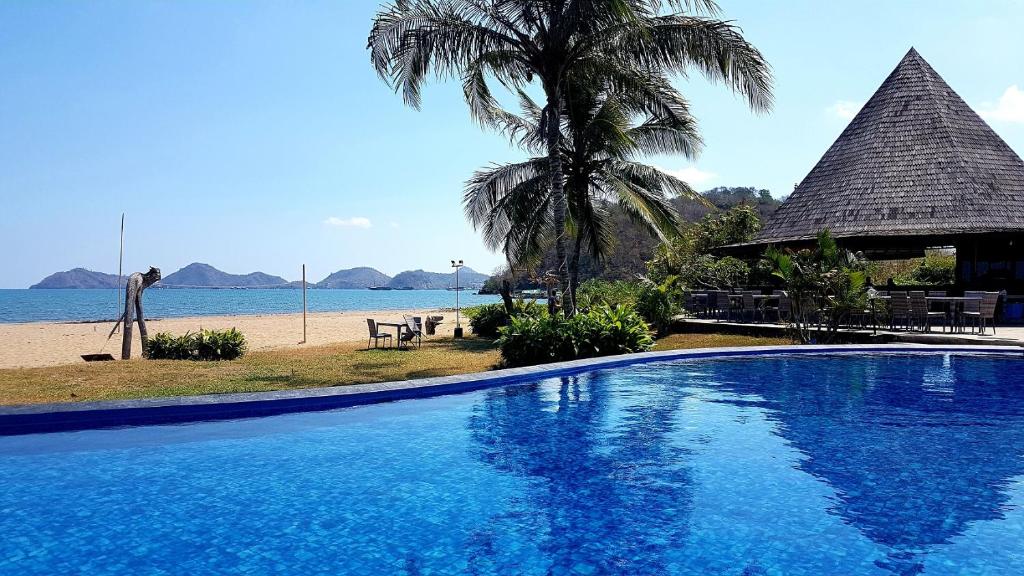
    Stay at Beachfront Resorts after sailing trip in Labuan Bajo

    Rustic Retreats: Eco-Friendly Lodges Near Komodo National Park

    Eco-friendly lodges near Komodo National Park are an excellent choice for those seeking a closer connection to nature. Nestled amidst lush greenery, these lodges blend seamlessly with the natural environment. They offer a unique opportunity to immerse yourself in the area’s rich biodiversity while enjoying comfortable and sustainable accommodation options. You’ll find yourself waking up to the calls of exotic birds and falling asleep to the gentle rustling of leaves, all while knowing you’re treading lightly on this precious ecosystem.

    Secluded Splendor: Private Villas and Bungalows

    For a more intimate experience, consider renting a private villa or bungalow. These secluded retreats offer privacy and exclusivity, perfect for couples or small groups. Many of these accommodations boast stunning ocean views and provide personalized services to ensure your stay in Labuan Bajo is extraordinary. Imagine having your own paradise, complete with a private pool and a dedicated staff catering to your every need. It’s the epitome of luxury in the heart of nature.

    Crafting Your Ideal Itinerary: Tips for a Seamless Adventure

    Embrace the Explorer Within: Must-Visit Destinations

    No Labuan Bajo adventure is complete without exploring this archipelago’s iconic destinations. From the awe-inspiring Komodo Island, home to the famous Komodo Dragons, to the hidden gems of Rinca Island, each stop on your sailing itinerary promises a unique and awe-inspiring experience. Trek through lush forests encounter fascinating wildlife, and witness landscapes that seem straight out of a dream. Every step in Labuan Bajo enters a world of natural marvels.

    Snorkel, Dive, Repeat: Maximizing Your Underwater Adventures

    Make the most of Labuan Bajo’s underwater wonders by strategically planning your snorkeling and diving excursions. Consult with local guides or your liveaboard crew to ensure you visit the best dive sites, each teeming with vibrant marine life and coral formations. Whether you’re exploring vibrant coral gardens, encountering schools of colorful fish, or descending into the depths to discover hidden treasures, the underwater world of Labuan Bajo is a realm of endless fascination.

    Sunset Sailing: Capturing Moments of Magic

    Labuan Bajo is renowned for its breathtaking sunsets, and experiencing one from the deck of your sailing vessel is a memory you’ll cherish forever. Coordinate your itinerary to ensure you’re in the perfect spot to witness the sun’s fiery descent below the horizon. The sky transforms into a canvas of warm hues, with the silhouette of distant islands adding to the spectacle. You’ll be reminded of the sheer beauty and serenity that Labuan Bajo has to offer.

    Capturing Magic Moments of Sunset on salining trip in Labuan Bajo

    Crafting Memories in Labuan Bajo

    A Labuan Bajo sailing trip is a tapestry of natural wonders, underwater marvels, and unforgettable moments. Choosing suitable sailing and stay options ensures a comfortable trip and unlocks this tropical paradise’s full potential. So, embark on this journey with anticipation, and let Labuan Bajo weave its magic on you. Happy sailing!

  • Unlocking the Hidden Treasures of Eastern Indonesia’s Untapped Tourist Destinations

    Unlocking the Hidden Treasures of Eastern Indonesia’s Untapped Tourist Destinations

    Are you an intrepid traveller looking for your next off-the-beaten-path experience? Look no further; Eastern Indonesia is calling. This overlooked paradise offers far more than just beautiful scenery. It’s an uncharted world of cultural richness, diverse ecosystems, and endless adventure. 

    Let this comprehensive guide introduce you to the best-kept secrets of Eastern Indonesia’s untapped tourist destinations. From untouched coral reefs to secluded surf spots, you’ll discover destinations that offer more than just a picturesque Instagram backdrop.

    Dive Into the Splendours of Raja Ampat

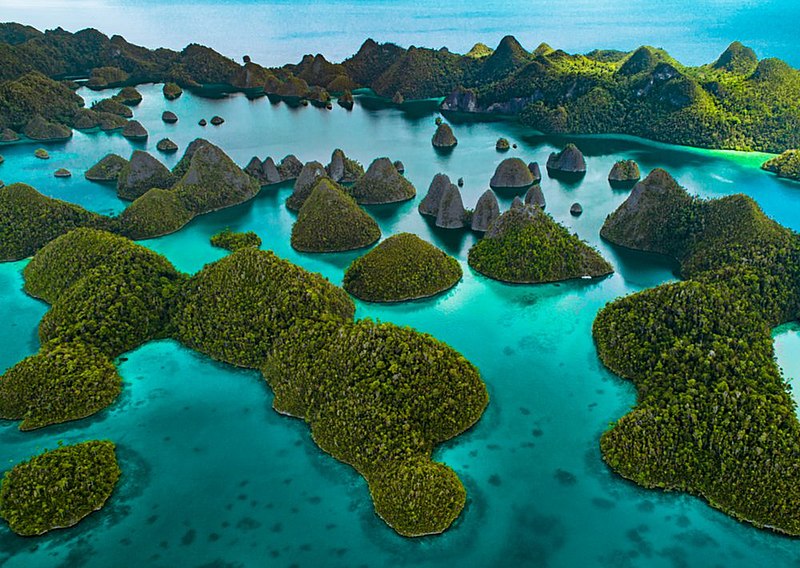
    Raja Ampat isn’t just another tropical paradise; it’s a diver’s dream. With its 1,500 small islands, it boasts some of the most biodiverse marine life in the world. Don’t just take a dip; go deep with scuba diving excursions that reveal underwater wonders you won’t find anywhere else.

    Komodo Island: A Realm Beyond Dragons

    Komodo Island is famous for its dragons. You can have a Komodo Island tour to witness the ancient dragons. But that’s just the tip of the iceberg. Besides the adrenaline rush of walking amidst these prehistoric creatures, you can also soak up the sun on Padar Island, a part of the Komodo National Park. 

    Sulawesi: Not Just a Diver’s Delight

    Beyond its famed dive spots, Sulawesi surprises with its diverse landscapes. Besides underwater splendours, there are highland terrains that offer trekking adventures. The Toraja culture’s unique architecture and elaborate ceremonies also add to Sulawesi’s intrigue.

    Baliem Valley: Where Ancient Culture Breathes

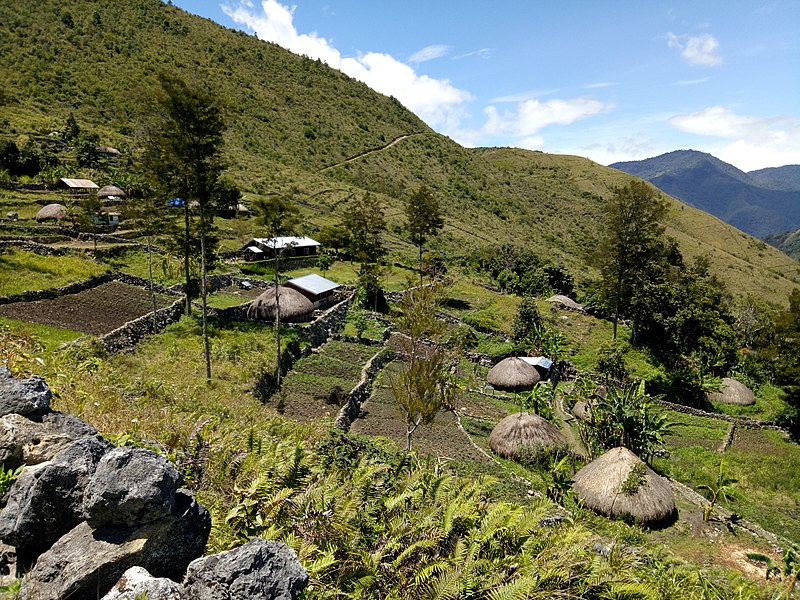
    Go beyond the usual touristy spots and head to Baliem Valley in Papua. Not only will you encounter landscapes that seem straight out of a painting, but you’ll also witness the Dani Tribe’s timeless traditions. Engage in conversations, try local foods, and broaden your cultural horizon.

    Maluku: The Spice Islands Reimagined

    Maluku’s claim to fame may be its spices, but that’s not all it has to offer. Explore historic forts from the Dutch era, or delve into snorkelling adventures to explore underwater caves. For those who want to relax, pristine beaches offer the perfect backdrop.

    Adrenaline Pumping Activities in Sumba

    If you’re searching for a less crowded surfing experience, Sumba offers large, untamed waves perfect for surfing aficionados. Don’t forget to visit Wairinding Hill; its panoramic views perfectly contrast rolling green hills and deep blue ocean.

    Lombok: The Unsung Gem Next to Bali

    Lombok will refresh your soul if Bali’s commercial buzz turns you off. Head to the Gili Islands for some serene snorkelling or climb Mount Rinjani if you’re up for a challenge. Whatever you choose, Lombok’s varied offerings won’t disappoint.

    Make the Most of Your Eastern Indonesia Trip

    Navigating Eastern Indonesia may initially seem daunting, but with some advanced planning and handy tips, you’ll experience the trip of a lifetime. From weather considerations to transportation options, this expanded guide will ensure you’re well-prepared for your Eastern Indonesian escapade.

    When to Visit

    Eastern Indonesia has two main seasons: dry and wet. The dry season spans from May to September and is optimal for outdoor activities like hiking, diving, and beach hopping. In contrast, the wet season can bring heavy rainfall, making some activities less enjoyable. Therefore, if you’re eager to explore the great outdoors, target your trip during the dry months.

    Internal Flights

    Local airlines such as Garuda Indonesia and Lion Air offer frequent flights connecting major cities and tourist destinations. Booking flights in advance can secure better rates and seat availability. If you’re island-hopping, remember that smaller airports may have fewer facilities and amenities.

    Sea Travel

    Ferries are a popular and often scenic way to hop between islands. While they are generally reliable, they can be slower and are sometimes affected by weather conditions. Speed boats are a quicker, though more expensive, alternative. Always verify the safety measures on board and check customer reviews.

    Local Transportation

    While in Eastern Indonesia, you’ll have a range of local transportation options. Taxis and ride-sharing apps are widely available in bigger cities, while tuk-tuks and motorbike rentals can provide a more localized experience. Keep some cash handy for places that may not accept cards.

    Accommodation

    Eastern Indonesia offers a variety of lodging options, from luxury resorts to budget-friendly hostels. Many tourists opt for guesthouses or homestays to experience local culture firsthand. When booking, consider location, amenities, and guest reviews to make an informed choice.

    Connectivity

    While many areas have strong cellular and Wi-Fi networks, some remote destinations may not. Consider purchasing a local SIM card for better coverage and cheaper rates. Download offline maps and translation apps to navigate more comfortably in off-the-grid areas.

    Emergency Contacts

    Keep a list of local emergency numbers, including police, medical facilities, and your country’s embassy or consulate. A portable first-aid kit is also advisable for minor injuries or ailments.

    Cash and Currency

    While credit and debit cards are widely accepted, it’s good to keep some local currency, Indonesian Rupiah, for smaller establishments or remote areas. ATMs are readily available in urban zones but can be scarce elsewhere.

  • A Weekend Getaway to Bali Beachfront Resort

    A Weekend Getaway to Bali Beachfront Resort

    Are you in need of a rejuvenating escape from the daily grind? Bali is a tropical paradise with abundant natural beauty and serene beachfront resorts. Picture yourself relaxing on powdery white sands, sipping refreshing cocktails while gazing at the mesmerizing turquoise waters. A weekend getaway to a Bali beachfront resort promises to be a truly unforgettable experience. With luxurious accommodations, world-class amenities, and breathtaking ocean views, these resorts provide the perfect setting for relaxation and indulgence. Get ready to unwind, recharge, and create lasting memories in the enchanting beauty of Bali’s beachfront retreats.

    Unwind in Luxury Accommodations

    Upon arriving at your chosen beachfront resort, you will be greeted with an opulent and family adventure suite. Especially beachfront resorts in Nusa Dua, these establishments offer the utmost comfort and tranquility, from spacious rooms to private villas. Indulge in plush bedding, modern amenities, and stunning ocean views or lush gardens. Each room is meticulously designed to provide a peaceful haven for your weekend escape.

    Immerse in the Serenity of Nature

    Beachfront resorts in Bali are in idyllic locations, surrounded by lush greenery and the calming sounds of the ocean waves. Wake up to the gentle sea breeze and the symphony of birds chirping. Take a leisurely stroll along the pristine beaches, feeling the soft sand beneath your feet and reveling in the beauty of the natural surroundings. Immerse yourself in the serenity of nature, leaving behind the hustle and bustle of daily life.


    Read More:

    10 Bali Beachfront Resorts with Views So Instagrammable, You’ll Want to Stay Forever

    5 Interior Ideas For Seminyak Villa To Make It Appear Luxurious.


    Indulge in World-Class Amenities

    The beachfront resort in Bali is renowned for its world-class amenities that cater to your every need. Dive into infinity pools that seemingly merge with the ocean horizon, providing a breathtaking backdrop for relaxation. Pamper yourself with luxurious spa treatments that rejuvenate your body and soul. Enjoy delectable cuisine at the resort’s restaurants, where talented chefs craft culinary masterpieces inspired by local and international flavors.

    Explore Adventurous Water Sports

    For adventure enthusiasts, beachfront resorts offer various water sports activities. Dive into the crystal-clear waters for an unforgettable snorkeling or scuba diving experience, where you can witness vibrant coral reefs and exotic marine life. Glide across the waves while windsurfing, or try your hand at paddleboarding. The possibilities for water-based adventures are endless, providing thrills and excitement for all.

    Discover Cultural Treasures

    While the beachfront resorts provide an oasis of relaxation, Bali’s rich cultural heritage is just waiting to be explored. Embark on a journey to discover ancient temples, vibrant markets, and traditional Balinese performances. Immerse yourself in the local customs and traditions, gaining a deeper understanding of the island’s unique culture. Engage in workshops where you can learn traditional arts and crafts or participate in cooking classes to master the secrets of Balinese cuisine.

    Experience Unforgettable Sunsets

    As the day draws close, prepare to witness breathtaking sunsets that paint the sky in many vibrant colors. Allow the outstanding beauty of nature to unfold before your eyes as you sit back and unwind. Capture the perfect Instagram-worthy shot, or simply cherish the magical moment with your loved ones. The tranquil ambiance and stunning views make Bali’s beachfront resorts the ultimate romantic or memorable family vacation destination.

    Create Lasting Memories

    A weekend getaway to a beachfront resort in Bali is not just about relaxation and indulgence; it’s about creating unforgettable memories with your loved ones. Whether building sandcastles with your children, enjoying a romantic candlelit dinner on the beach, or engaging in thrilling water sports together, these experiences will last a lifetime. The warmth of the Balinese hospitality and the beauty of the surroundings combine to create moments that will forever hold a special place in your heart.