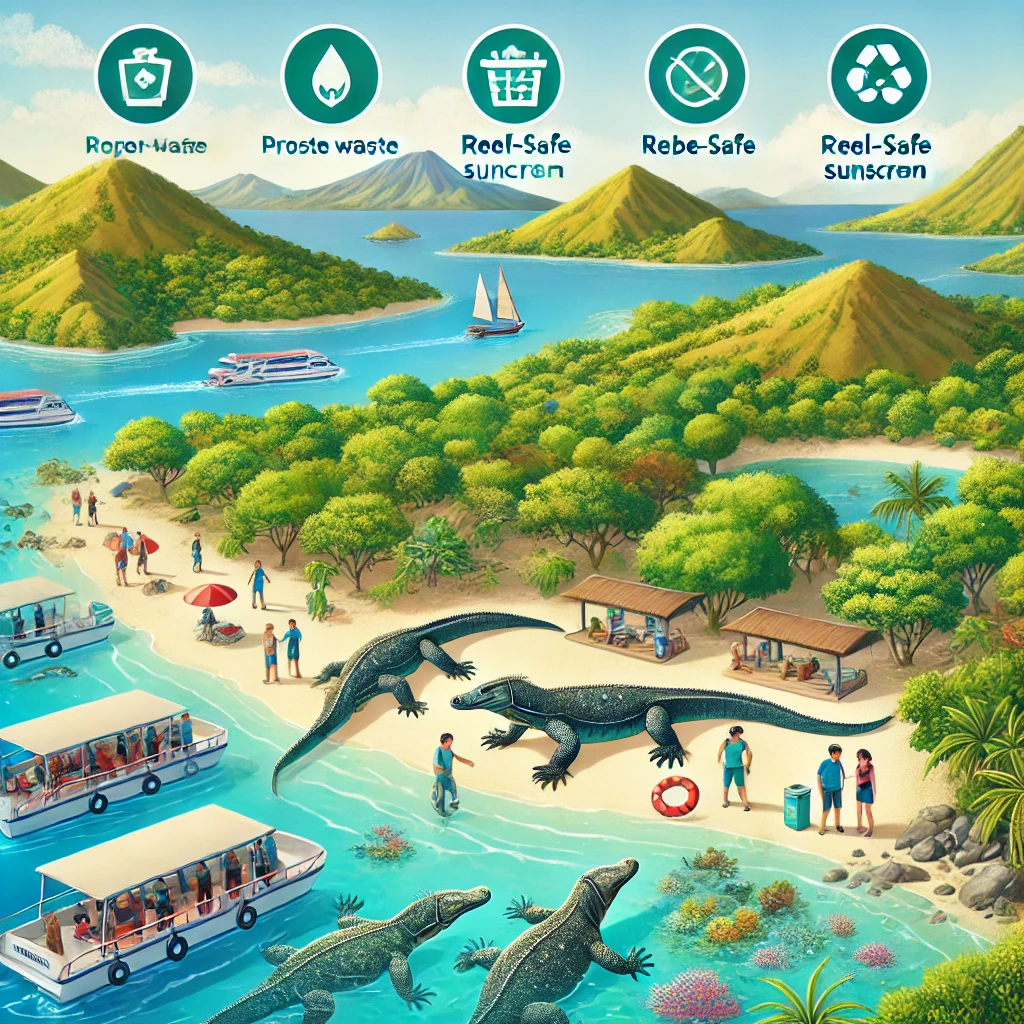
Komodo National Park, in Indonesia, is home to the world-renowned Komodo dragon and offers some of the most breathtaking landscapes in Southeast Asia. Tourists flock to Komodo Island and its surrounding areas for wildlife encounters, snorkeling, diving adventures, and Komodo tour. With increasing popularity comes the responsibility of maintaining the park’s natural beauty and ensuring it remains clean for future generations. The management of Komodo National Park has taken proactive steps to protect the environment, preserve biodiversity, and create sustainable tourism practices.
The Importance of Sustainable Tourism in Komodo National Park
As more visitors book their Komodo tour experiences, pressure on the park’s resources and natural landscapes has increased. Sustainable tourism is a top priority for Komodo National Park management. This approach balances tourism needs with conservation responsibility, ensuring that the influx of tourists does not disrupt the park’s fragile ecosystems.
Management practices within the park have been designed to minimize visitors’ environmental footprint while promoting eco-friendly tours and activities. Whether guests embark on a Komodo liveaboard adventure or a day tour to Komodo Island, they are encouraged to follow responsible tourism practices that protect the park.
Also, read Dive with Confidence: Komodo Island Weather Know-How.
Waste Management and Cleanliness Initiatives
A key aspect of maintaining the park’s cleanliness is effective waste management. Komodo National Park management has implemented strict regulations to minimize and properly dispose of tourists’ waste. Tour operators, including Komodo liveaboard companies, must adhere to strict waste disposal policies, including using designated waste collection areas on boats and in the park.
Single-use plastics are discouraged within the park, and many tour operators are transitioning to reusable materials. Many Komodo tour providers now supply reusable water bottles and eco-friendly meal packaging. This reduces the quantity of plastic waste generated, which can damage marine life and the environment.
Designated staff and park rangers monitor the cleanliness of the park and the surrounding islands. These individuals ensure that tourists and tour operators comply with the park’s regulations. They regularly patrol the islands and beaches to remove any waste that might have been accidentally left behind or washed ashore.
Conservation Programs and Biodiversity Protection
Preserving the biodiversity of Komodo National Park is essential for the Komodo dragons and the entire ecosystem. Komodo Island is home to several endemic species, and protecting these animals and their habitats is a primary concern for park management.
One key conservation initiative is raising tourists’ awareness of the significance of protecting wildlife. During any Komodo tour, visitors are briefed on the behavior of Komodo dragons and the rules they must follow to ensure their safety and the security of the animals. Visitors must keep a safe distance from the dragons and avoid feeding or disturbing them.

Marine conservation is also a significant aspect of Komodo National Park management. The waters around Komodo Island are home to some of the richest marine biodiversity in the world. Coral reefs, mangroves, and seagrass beds are habitats for countless marine species. Park management works with Komodo liveaboard operators to ensure that dive sites are well-protected and that divers follow sustainable practices. Tourists should avoid touching the coral reefs and use reef-safe sunscreen to prevent damage to the marine ecosystem.
Eco-Friendly Komodo Liveaboard Experiences
The rise in popularity of Komodo liveaboard tours presents unique challenges in maintaining cleanliness and minimizing environmental impact. Liveaboards allow tourists to explore the park over several days, often aboard boats traveling between the islands. Komodo National Park has set specific guidelines for liveaboard operators to follow to maintain the park’s pristine condition.
Operators must use environmentally friendly practices such as proper waste disposal, limiting the use of engines to reduce fuel consumption, and ensuring that tourists follow all park guidelines. Additionally, many liveaboard tours include educational programs to increase awareness about the importance of conservation in Komodo National Park. These programs help tourists understand their role in preserving the area’s natural beauty.
Eco-conscious liveaboard operators are increasingly adopting green technologies, such as solar panels and energy-efficient engines, to reduce their carbon footprint. These efforts align with the park’s goal of promoting sustainable tourism and saving the environment for future generations of visitors and nature.
Tourist Education and Responsibility
A crucial aspect of keeping Komodo National Park clean and pristine is educating tourists on their responsibility while visiting. Before Komodo tours or liveaboards, tourists receive detailed instructions on responsible behavior. These instructions cover everything from waste management to respecting wildlife and marine ecosystems.
Park management encourages tourists to leave no trace behind, ensuring that they take all their waste with them when they leave the park. Visitors are also encouraged to support eco-friendly businesses and tour operators who prioritize sustainability.
Additionally, volunteer programs within the park allow tourists to actively participate in conservation actions, such as beach clean-ups and coral restoration projects. These programs contribute to the park’s cleanliness and give visitors a deeper understanding of the importance of environmental protection.