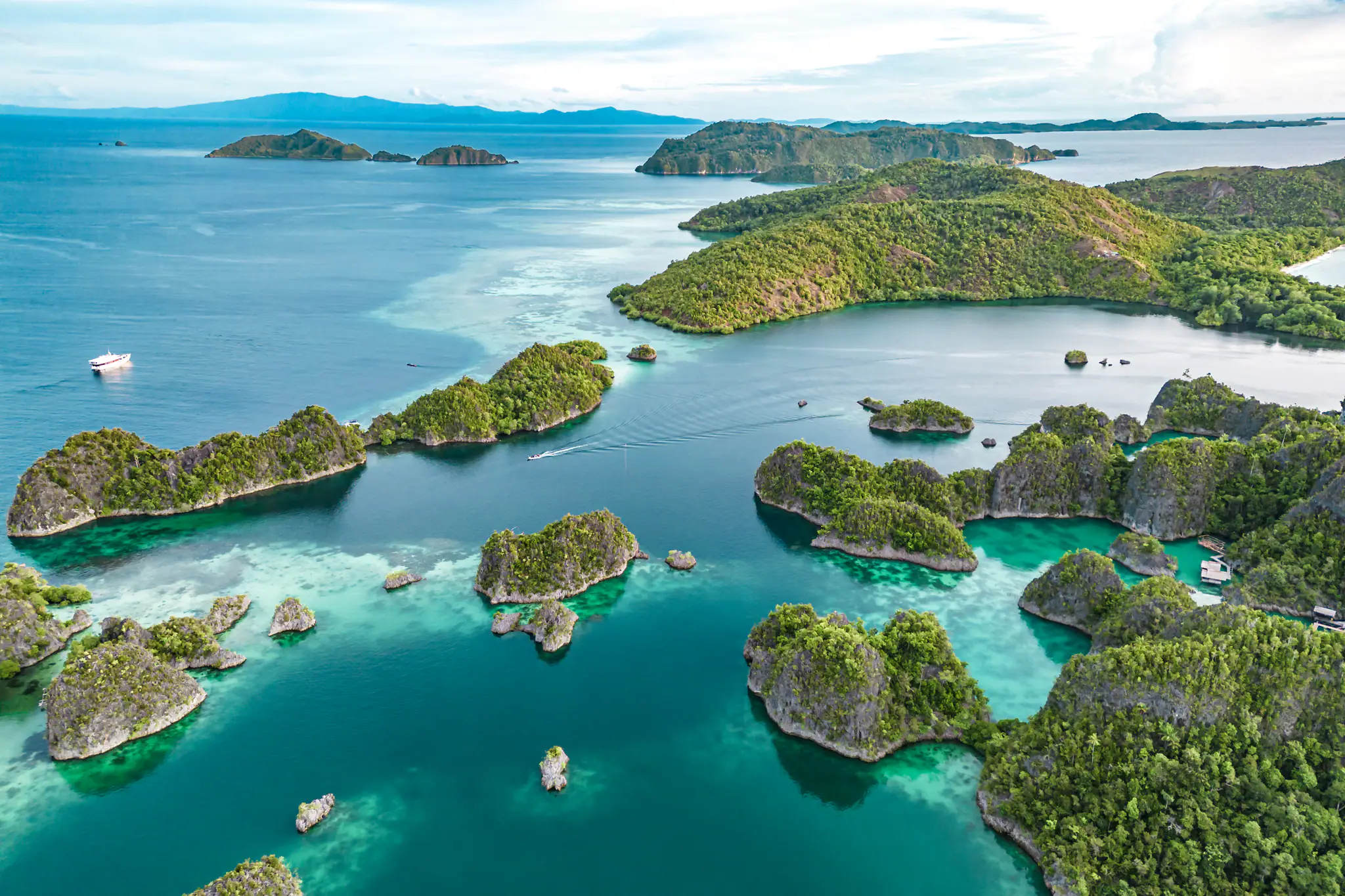
Raja Ampat, located in Indonesia’s West Papua province, is globally renowned for its staggering marine biodiversity and pristine underwater landscapes. For serious divers, a Raja Ampat Liveaboard offers a unique opportunity to immerse fully in this vibrant ecosystem. By staying aboard a diving vessel, enthusiasts can explore multiple remote dive sites across the Jaw-dropping archipelago with comfort and convenience. This guide delves into the top itineraries, marine wonders, and practical advice to optimize your liveaboard diving adventure in Raja Ampat.
Introduction to Raja Ampat and Its Marine Park
Raja Ampat spans over 1,500 small islands, cays, and shoals, making it one of the most complex marine environments on the planet. The area is protected under the Raja Ampat Marine Park, which safeguards over 75% of known coral species worldwide. This biodiversity hotspot attracts divers and marine biologists alike, eager to witness its remarkable reef systems, rare species, and clear waters.
Exploring this vast expanse by land alone limits access to many prime dive spots. Liveaboard vessels offer a strategic advantage by allowing divers to reach secluded dive sites such as Dampier Strait and Misool that are impractical to reach from shore-based accommodations on a daily basis. The immersion into Raja Ampat’s underwater world via liveaboard expeditions ensures a deeper, more varied experience unmatched by traditional day diving.
Why Choose a Liveaboard for Raja Ampat Diving?
A liveaboard experience in Raja Ampat is more than just transportation; it is an extended underwater journey. Staying on a boat means diving multiple times a day at different locations, maximising your time exploring diverse marine habitats. It eliminates long daily commutes to dive sites, offers flexible schedules adapted to weather and tide conditions, and grants access to rarely visited sites.
Guests benefit from onboard amenities, expert dive guides familiar with Raja Ampat’s delicate ecosystems, and camaraderie with fellow divers sharing a passion for underwater discovery. Many liveaboards are equipped for high comfort levels, ensuring rest and relaxation between dives. Opting for a liveaboard is ideal for divers seeking an immersive, adventurous, and comprehensive Raja Ampat diving experience.
Detailed Dive Itineraries and Popular Routes
Raja Ampat liveaboards commonly offer a range of itinerary options to cater to various preferences and timeframes. Popular routes typically last 7, 10, or 12 nights, each carefully designed to showcase key dive sites while balancing diving intensity and leisure.
Key Dive Sites in Raja Ampat: Waigeo, Dampier Strait, Misool
Waigeo Island’s dive sites such as Cape Kri and Manta Sandy boast vibrant coral reefs and frequent manta ray sightings. Dampier Strait is famous for its strong currents, which bring in an array of pelagic species, making it ideal for experienced divers seeking thrilling drift dives. Misool, in the south, features spectacular walls covered in soft corals and a variety of macro marine life, making it a favourite for photographers.
Sample 7-, 10-, and 12-Night Liveaboard Trips
A 7-night itinerary might focus on Waigeo and parts of Dampier Strait with multiple dives daily to optimise encounters with reef sharks and turtles. A 10-night trip typically expands south to include Misool’s pristine reefs and hidden lagoons. The 12-night option offers a full exploration of Raja Ampat’s three main areas, including rarely visited locales, providing the ultimate liveaboard immersion.
Seasonal Diving Conditions and Best Time to Visit
The region experiences two primary seasons: the dry season from October to April and the rainy season from May to September. The dry season is generally preferred for liveaboard diving, as seas are calmer, visibility is clearer, and marine life is abundant. During rainy months, rough waters can limit access to some sites, though specially designed liveaboards still operate with experienced crews.
Planning your trip around the dry season maximizes diving comfort and safety, though some species’ mating or migration events may occur year-round. It is advisable to consult with operators for current conditions and site availability before booking.
Marine Life Highlights: What You Can Expect to See
Raja Ampat’s waters teem with life, hosting over 1,500 species of fish. Divers commonly encounter majestic manta rays, various types of sharks, Napoleon wrasse, and colourful nudibranchs. Soft coral gardens flourish here, creating a kaleidoscopic underwater landscape attractive to macro photographers.
The diversity extends beyond typical reef dwellers, including seahorses, pygmy seahorses, rare frogfish, and extensive schools of barracuda. Each dive site offers a distinctive microhabitat. Knowledgeable dive guides enhance encounters by spotting and identifying hidden creatures critical to Raja Ampat’s ecosystem.
Luxury vs Budget Liveaboard Options Compared
Liveaboards in Raja Ampat range from budget-conscious vessels to luxury yachts. Budget options prioritise basic comfort, often with shared facilities and simple meals, while still providing competent dive operations. Luxury liveaboards offer spacious cabins with private bathrooms, gourmet dining, dive camera stations, and leisure amenities like sun decks and lounges.
Choosing between budget and luxury depends on preferences for comfort, trip length, and budget. Some travellers prioritise maximising dive time within a modest budget, while others seek a pampered experience integrated with diving. Both types prioritise safety and expert guiding.
Preparing for Your Liveaboard Trip: Packing and Safety
Proper preparation ensures a smooth and enjoyable liveaboard experience. Essential packing includes personal dive gear, reef-safe sunscreens, medications, and appropriate clothing for tropical evenings. Many operators offer dive equipment rentals, but most experienced divers prefer to bring their own gear for familiarity and hygiene.
Safety briefings upon embarkation cover dive plan protocols, emergency procedures, and environmental guidelines. Divers should maintain fitness, be certified in open-water diving at a minimum, and follow dive masters’ guidance to mitigate risks. Bringing a dive computer and adhering to safe dive practices is highly recommended.
User Testimonials and Real Diver Experiences
Many divers praise liveaboards in Raja Ampat for exceptional underwater encounters coupled with unforgettable onboard hospitality. Testimonials often highlight the diversity of dive sites accessed only by boat, the professionalism of dive guides, and the serene beauty of the archipelago.
Repeat visitors comment on how each trip uncovers new species and reefs, reflecting Raja Ampat’s dynamic marine ecosystem. Some note the transformative experience of nights spent anchored under stars in remote lagoons, far from crowded tourist hubs.
Pricing, Booking and Cancellation Policies
Pricing for Raja Ampat liveaboards varies broadly based on itinerary length, vessel type, and included services. Mid-range trips commonly run several thousand dollars per person for a week-long journey, covering meals, dives, and accommodation.
Booking well in advance is advised, especially during peak season. Cancellation policies vary by operator but usually require non-refundable deposits with full payment deadlines. Transparent communication and careful reading of terms help avoid surprises. Travel insurance with dive coverage is strongly suggested.
Sustainable Diving Practices in Raja Ampat
Preserving Raja Ampat’s fragile marine environment is integral to all liveaboard operations. Responsible diving practices include not touching coral, maintaining buoyancy control, and avoiding disturbance to marine life. Many operators support local conservation initiatives and educate guests on reef preservation.
Sustainable tourism is vital for the long-term health of these waters and the communities relying on them. Divers are encouraged to respect local cultures and contribute to eco-friendly responsible travel.
Conclusion
Embarking on a Raja Ampat Liveaboard journey offers an unrivalled encounter with one of the world’s richest underwater realms. With diverse itineraries, abundant marine life, and expert guidance, liveaboard diving ensures an immersive and transformative experience. Careful planning, respect for the environment, and attention to safety will make this adventure both enjoyable and sustainable. Raja Ampat’s vibrant reefs await those ready to dive deep into nature’s spectacular marine showcase.