Author: Sharlene Harrison

  • Discover the Historical Trade Routes Around Komodo with a Boat Charter Komodo

    Discover the Historical Trade Routes Around Komodo with a Boat Charter Komodo

    The Komodo region, renowned today for its breathtaking landscapes and vibrant marine life, once played a pivotal role in ancient maritime trade networks. From the exchange of precious spices to the movement of cultural influences. The waters surrounding Komodo were central to commerce and communication between civilizations. Exploring this rich history adds a fascinating layer to any modern boat charter Komodo experience, blending adventure with historical discovery.

    Komodo’s Strategic Position in Ancient Trade

    The Komodo region was a natural archipelago crossroads in Indonesia. Traders navigating between the Spice Islands (Maluku) and major ports in China, India, and the Middle East found the region’s sheltered bays and predictable monsoon winds ideal for rest and resupply. Early mariners transported sought-after goods such as nutmeg, cloves, and sandalwood, which fueled the spice trade and shaped global economies.

    Aliikai is boat charter to Komodo through historical trade routes

    Artifacts like pottery shards and beads found on neighboring islands suggest Komodo’s inclusion in vast trade networks dating back to the first millennium. This rich history highlights the ingenuity and adaptability of ancient sailors who mastered these waters long before modern navigation tools.

    Also, read Yacht Club in New Bali Marina Elevates Indonesia to Key Maritime Hub

    Cultural Exchange Along the Maritime Silk Road

    The trade routes around Komodo were not just conduits for goods but also ideas, languages, and traditions. As vessels laden with cargo stopped at islands for freshwater or provisions, they facilitated cultural exchanges. Chinese ceramics, Indian textiles, and Middle Eastern glassware found their way into local communities, leaving traces of interconnected histories behind.

    For travelers today, immersing in this legacy is even more special. Take a boat charter to Komodo and explore the same waters ancient mariners once sailed. Guided tours often weave historical narratives into their itineraries, offering a unique perspective on the island’s storied past.

    Modern Echoes of Ancient Routes

    While the ancient trade routes have evolved into recreational journeys, their significance persists in today’s maritime tourism. Komodo National Park has become a top destination for adventure seekers, nature enthusiasts, and history enthusiasts. Luxury yacht options in Indonesia allow visitors to experience the region in unparalleled comfort, retracing routes that once carried the lifeblood of empires.

    The growth of marine tourism, like boat charters around Komodo, helps keep the history of ancient trade routes alive. Travelers can explore the same paths that early merchants used, making their trips even more exciting with stories of trade and cultural mixing.

    Experiencing Komodo’s Maritime Legacy

    For those looking to immerse themselves in Komodo’s maritime history, joining a yacht club or opting for a curated boat tour offers a deeper connection to the region’s past. These excursions combine modern luxury with a sense of adventure. Invite guests to envision life as it was centuries ago while enjoying the stunning beauty of the present-day archipelago.

    The story of Komodo is one of resilience and adaptation—a narrative that resonates with the rhythms of the sea. As you sail these historic waters on a boat charter Komodo, consider the countless voyages that preceded yours, each leaving its mark on this extraordinary part of the world.

  • Why Bali is a Hotspot for Expat Property Investment

    Why Bali is a Hotspot for Expat Property Investment

    A Tropical Paradise with Global Appeal

    Bali, known for its idyllic landscapes, vibrant culture, and laid-back lifestyle, continues attracting expats worldwide. This Indonesian island has become a sought-after destination for property investment, particularly among foreigners looking for lifestyle and financial returns. Let’s explore why Bali remains a hotspot for expat property investment.

    Affordability Compared to Other International Destinations

    One of the most appealing aspects of Bali for expat investors is its affordability. When you compare property prices in Bali to those in Western countries or other well-known tropical spots, you’ll find that Bali’s prices are generally more affordable. Whether you’re considering a luxury villa, a cozy beachfront home, or a commercial property for investment purposes, the cost of real estate in Bali can be substantially lower while still promising excellent value.

    The island is affordable and has a lot of growth potential, which means there’s a good chance to earn more from your investment. Due to Bali’s booming tourism sector, expats can purchase property that appreciates while also generating rental income.

    Strong Tourism Industry Driving Rental Income

    Bali’s thriving tourism industry is another key reason the island is attractive for property investment. Many tourists from around the world and from within the country visit each year, leading to a steady demand for rental homes and places to stay. Expats investing in vacation rentals can enjoy a steady income stream, especially during peak holiday seasons.

    Strong Tourism Industry Driving Rental Income from property investment

    Popular areas like Seminyak, Canggu, and Ubud are known for having high rental yields. These areas attract tourists who seek everything from luxurious accommodations to tranquil retreats. Owning property in these locations is particularly lucrative for investors looking for short-term rental opportunities.

    Read more Key Factors to Consider Before Investing in Real Estate.

    A Welcoming Expat Community

    Bali has a well-established expat community, a significant draw for potential property buyers. The island’s reputation for being expat-friendly makes it easier for new investors to integrate and adapt. Networking opportunities, social gatherings, and business partnerships are readily available, making the transition smoother for those looking to invest and settle in Bali.

    The supportive atmosphere and access to international schools, healthcare facilities, and modern amenities help expats enjoy a comfortable lifestyle. This community spirit enhances Bali’s appeal as a property investment destination.

    Growing Infrastructure and Development

    Bali’s continuous development in infrastructure has also fueled property investment. The government’s ongoing projects to enhance roads, airports, and public facilities contribute to real estate value growth. Improved connectivity and access to essential services increase the desirability of properties across the island.

    In addition, Bali’s development extends to new commercial projects, creating opportunities for investors to tap into diverse market segments. This growth supports both residential and business-focused property investments.

    Legal Pathways for Property Ownership

    Although Indonesian property laws can be complex for foreigners, there are legitimate pathways for expats to own property in Bali. Options such as leasehold agreements and Hak Pakai (right-to-use) permits enable expats to invest legally and securely. Working with trustworthy legal experts and real estate agencies helps make sure that all property deals follow local laws. This gives investors peace of mind, knowing everything is done correctly.

  • Yacht Club in New Bali Marina Elevates Indonesia to Key Maritime Hub

    Yacht Club in New Bali Marina Elevates Indonesia to Key Maritime Hub

    Indonesia is boosting its appeal by opening a brand-new Yacht Club in Bali. This exciting project, led by PT Pelabuhan Indonesia, aims to make Indonesia a key player in the global boating scene. Bali, already famous for its beautiful beaches and vibrant culture, will now attract luxury yacht owners, making it an even more beautiful spot for people looking for upscale maritime experiences.

    A New Era for Bali’s Maritime Scene

    Establishing the new Yacht Club in Bali marks a significant milestone in Indonesia’s journey to becoming a leading maritime hub. Pelindo’s CEO, Arif Suhartono, has emphasized that this project expands port facilities and positions Bali and Indonesia as sought-after stops for the global yachting community.

    “The new Yacht Club is designed to cater to the needs of luxury yacht owners and their discerning tastes,” Suhartono stated. This move aligns with the government’s broader strategy to promote tourism and leverage Indonesia’s rich natural marine resources. For yacht owners seeking unparalleled experiences. This expansion is a significant step toward making Indonesia—particularly Bali—a focal point for maritime luxury.

    World-Class Facilities for Yacht Enthusiasts

    The new Yacht Club features facilities that meet international standards and provide exceptional services for both local and international yacht owners. Bali, already a tourist hotspot thanks to its stunning landscapes and vibrant culture, now introduces an exciting new dimension with this modern hub tailored specifically for yachts in Indonesia. With its comprehensive infrastructure, the Yacht Club offers spacious berths, cutting-edge docking technology, and top-tier amenities. Ensuring a smooth and enjoyable experience for all visitors and yacht owners.

    By providing superior services, the Yacht Club aims to attract more luxury yacht travelers to Indonesia, creating new tourism opportunities. This investment supports yacht owners and stimulates economic growth, creating jobs in hospitality, marine services, and local crafts.

    Also, read How To Ensure Your Safety During Holiday In Bali.

    Strengthening Indonesia’s Maritime Economy

    Pelindo has a big plan for a new Yacht Club that aims to strengthen Indonesia’s economy based on its maritime activities. Located in Bali, a popular tourist spot, this club is perfect for expanding various sea-related fun and activities. Pelindo aims to make Indonesia a luxury yacht destination to attract wealthy travelers, boosting local businesses and economic opportunities.

    The government and private sector have strongly supported the Yacht Club, recognizing its potential to bring substantial economic benefits. With the increased number of yachts in Indonesia, local businesses and service providers can expect heightened demand. “This initiative will reinforce Bali’s reputation as a premier yachting destination while driving sustainable economic growth,” Suhartono noted.

    Promoting Tourism and Marine Conservation

    The Yacht Club is part of an initiative to highlight Indonesia’s stunning landscapes and promote eco-friendly tourism. Pelindo is committed to ensuring that the Yacht Club adheres to sustainable practices, which means it strives to grow while caring for the environment. The design of the facilities emphasizes minimizing environmental impact, supporting Indonesia’s efforts to foster responsible tourism and protect the oceans.

    The Yacht Club is taking part in marine conservation.

    For travelers aboard luxury yachts, Indonesia offers more than just facilities; it promises a gateway to some of the world’s most stunning seascapes. Destinations such as Bali and the surrounding archipelago brimming with pristine beaches and diverse marine life allow yacht owners to immerse themselves in adventures that combine luxury and nature. The Yacht Club in Bali is poised to be a beacon for those seeking exclusive and sustainable yachting experiences.

    A Bright Future Ahead

    As the Yacht Club begins to form, the future appears bright for Bali and Indonesia’s boating and sailing industry. By focusing on luxury yachting, the region is setting itself up to become a top destination in Southeast Asia, appealing to travelers looking for high-end experiences. This development seeks to attract luxury yacht owners, position Indonesia as a top leisure destination, and enhance economic growth.

    In conclusion, the new Yacht Club symbolizes more than just enhanced port facilities; it represents Indonesia’s ambitions to redefine its status in the global maritime globe. For yacht enthusiasts and luxury seekers, Bali’s new marina promises an experience that marries luxury, adventure, and sustainability.

  • The Future of Remote Work: Trends and Challenges

    The Future of Remote Work: Trends and Challenges

    Remote work has changed the way companies do business. Even though some people worked remotely before the pandemic, most businesses moved online because of it. Many companies permit their employees to work from different places, which seems good, but it also comes with new problems. This article talks about the important changes happening with remote work and the difficulties businesses face.

    Critical Trends in Remote Work

    1. Hybrid Work Models
      • As organizations move forward, many are adopting a hybrid work model, allowing employees to split their time between the office and remote locations. This model provides flexibility while maintaining a degree of in-person collaboration. For employees, the hybrid model balances remote work autonomy and the social benefits of the office environment.
    2. Increased Focus on Employee Well-being
      • Has drawn attention to mental health and work-life balance. Due to the blurred lines between home and work, employees are prone to burnout. As a result, companies are prioritizing employee well-being by implementing wellness programs, flexible work hours, and encouraging a healthy work-life balance to retain top talent.
    3. Technology Advancements
      • Remote work has pushed the adoption of digital collaboration tools. Technology plays a pivotal role in facilitating seamless communication, from video conferencing platforms to project management software. Companies invest in cloud-based solutions, automation, and cybersecurity to ensure remote operations run smoothly and securely.
    4. Global Talent Pool
      • Remote work enables businesses to hire from a global talent pool, breaking down geographic barriers. This trend allows companies to access diverse skills and expertise previously limited by location. It also means that professionals can work from anywhere, creating a competitive and globalized job market.
    5. Flexible Work Schedules
      • The traditional 9-to-5 is replaced by flexible work schedules prioritizing results over hours worked. This schedule accommodates people’s most productive times and helps them manage their time better. As companies adopt performance-based evaluation, this trend is expected to grow.

    Read more Key Factors to Consider Before Investing in Real Estate.

    Challenges in the Remote Work Era

    1. Maintaining Company Culture
      • One of the major challenges of remote work is maintaining company culture and fostering team cohesion. Building relationships is difficult without face-to-face interactions, and remote workers may feel isolated. To maintain a sense of belonging, employers must find creative ways to engage their teams through virtual events, regular check-ins, and collaboration platforms.
    2. Communication and Collaboration
      • Working from a distance can sometimes result in misunderstandings or lack teamwork. When teams are spread across different time zones, synchronous communication can become challenging. Companies must establish clear communication protocols and use tools that facilitate real-time and asynchronous collaboration.
    3. Security Concerns
      • As more employees work from home, businesses face increased cybersecurity risks. Remote work environments can be vulnerable to cyberattacks, particularly when employees use personal devices. Companies must use strong security tools like VPNs, encryption, and multi-factor authentication to protect important information from hackers.
    4. Performance Management
      • Evaluating remote workers’ performance can be difficult without physical oversight. Employers need to shift their focus from hours worked to output and results. Implementing transparent key performance indicators (KPIs) and regular performance reviews can help address this challenge.

    The future of remote work is here to stay, and businesses must adapt to the trends shaping this new reality. Hybrid models, technology advancements, and global talent pools offer exciting opportunities for companies willing to embrace flexibility. However, challenges like maintaining company culture, ensuring security, and effective communication must be tackled strategically. By adopting forward-thinking approaches, businesses can thrive in this evolving remote work landscape.

  • How Green Resorts in Bali Are Leading the Sustainable Tourism Movement

    How Green Resorts in Bali Are Leading the Sustainable Tourism Movement

    Bali has long been a tourist paradise, with its stunning beaches, rich culture, and vibrant hospitality. But beyond the beauty, Bali is on a mission to achieve zero emissions by 2045, thanks to government initiatives and policies to transform the tourism industry, particularly resorts in Bali. The role of green resorts is more crucial than ever as they set the standard for sustainability and environmentally-conscious tourism. With the government and eco-friendly resorts working hand-in-hand, Bali is well on its way to a greener future.

    Bali’s Green Resorts: Pioneers of Sustainable Tourism

    Eco-friendly resorts in Bali are more than luxurious retreats; they are pioneers in the sustainable tourism movement. By implementing eco-conscious practices, these resorts raise the bar for others to follow. Some resorts are showing that they can be luxurious and environmentally friendly simultaneously by using renewable energy, cutting down on plastic waste, and serving local and organic food.

    One of the standout features of these green resorts is their commitment to energy efficiency. Several resorts in Bali use renewable power sources like solar panels and wind turbines to support the environment by reducing their carbon footprint. This cuts down on harmful emissions and provides a blueprint for other hotels and resorts to follow, both in Bali and worldwide. With eco-friendly innovations, these resorts help pave the way for sustainable tourism while contributing to the island’s long-term environmental goals.

    How Green Resorts Support Bali’s Zero Emissions Goal

    Bali’s ambitious goal of achieving zero emissions by 2045 is supported by the proactive measures taken by green resorts. These eco-conscious resorts lead by example, showing how sustainable practices can reduce environmental impact and align with Bali’s vision for a greener future.

    One significant way resorts in Bali contribute to this goal is through water and waste management programs. Green resorts address two of the most pressing environmental challenges by incorporating rainwater harvesting systems, water-efficient fixtures, and waste recycling. These resorts are reducing their ecological footprint and developing a benchmark for sustainable tourism.

    The shift towards sustainable energy sources also helps reduce Bali’s dependency on fossil fuels. Many eco-friendly resorts now rely on solar energy, reducing greenhouse gas emissions. This supports Bali’s zero-emissions target and aligns with global sustainability trends. Integrating these sustainable practices makes eco-resorts a vital component in Bali’s roadmap to 2045.

    Read More ITDC Accelerates Gas Pipeline Construction at Beach Resorts in Nusa Dua Area.

    The Rise of Eco-Tourism: Attracting Conscious Travelers

    As travelers become more conscious of their environmental effects, green resorts attract a new breed of conscious tourists. These visitors seek experiences that combine luxury with sustainability, making eco-friendly resorts in Bali their top choice. From being the best family resort in Bali to offering immersive eco-tourism experiences, green resorts cater to environmentally-conscious travelers and those looking for a luxurious getaway.

    Moreover, many green resorts have adopted initiatives that promote local culture and traditions, supporting Bali’s communities while offering authentic experiences to their guests. Encouraging cultural exchanges and supporting green resorts can help create a type of tourism that is good for the environment and the local economy. This is becoming more popular as people look for better travel options for the planet. Further, it reinforces Bali’s commitment to becoming a zero-emissions destination.

    The Future of Sustainable Tourism in Bali

    Green resorts in Bali are undeniably leading the charge in sustainable tourism. From reducing energy consumption to incorporating eco-friendly designs, these resorts are setting the standard for what responsible travel can and should look like. With Bali’s goal of achieving zero emissions by 2045, eco-friendly resorts play a critical role in making that vision a reality. Whether you’re staying at a Bali beachfront resort or the best family resort in Bali, you can be part of the movement towards sustainable tourism. In the years to come, Bali’s green resorts will continue to be the trailblazers in creating a more sustainable, eco-conscious world of travel.

  • The Global Influence of Tourism on Property Values

    The Global Influence of Tourism on Property Values

    Tourism is a significant economic force that greatly impacts property values in popular destinations worldwide. As tourism thrives, it presents both opportunities and challenges for local real estate markets. This article examines how tourism affects property values globally, focusing on the benefits, challenges, and varying regional impacts.

    Benefits of Tourism on Property Values

    Rising Real Estate Demand

    Tourism often boosts demand for residential and commercial real estate. Popular tourist spots attract investors eager to profit from short-term rentals, including vacation homes, Airbnb properties, and boutique hotels. This heightened demand can elevate property values, especially in areas near attractions or scenic locations.

    Economic Boost and Infrastructure Growth

    Tourist influx can stimulate local economies, leading to improved infrastructure and public services. Enhanced transportation, better roads, and upgraded facilities make areas more appealing to buyers, increasing property values. For instance, Dubai and Bali have seen significant property value growth due to infrastructure investments fueled by tourism.

    Enhanced Cultural and Lifestyle Appeal

    Tourism can enhance a destination’s cultural and lifestyle appeal, making it more attractive to both domestic and international buyers. Coastal cities like Barcelona and Miami have experienced property value rises partly due to their vibrant cultural scenes, which are bolstered by continuous tourist activity. The lifestyle advantages of living in such locations attract affluent buyers, further driving up property prices.

    Inflow of Foreign Investment

    Tourism can attract foreign investment in local real estate markets. International investors often purchase properties in high-tourism areas to diversify portfolios or secure vacation homes. This influx of foreign capital can increase property values, as seen in cities like London, Paris, and New York, where international buyers are key players in the real estate market.

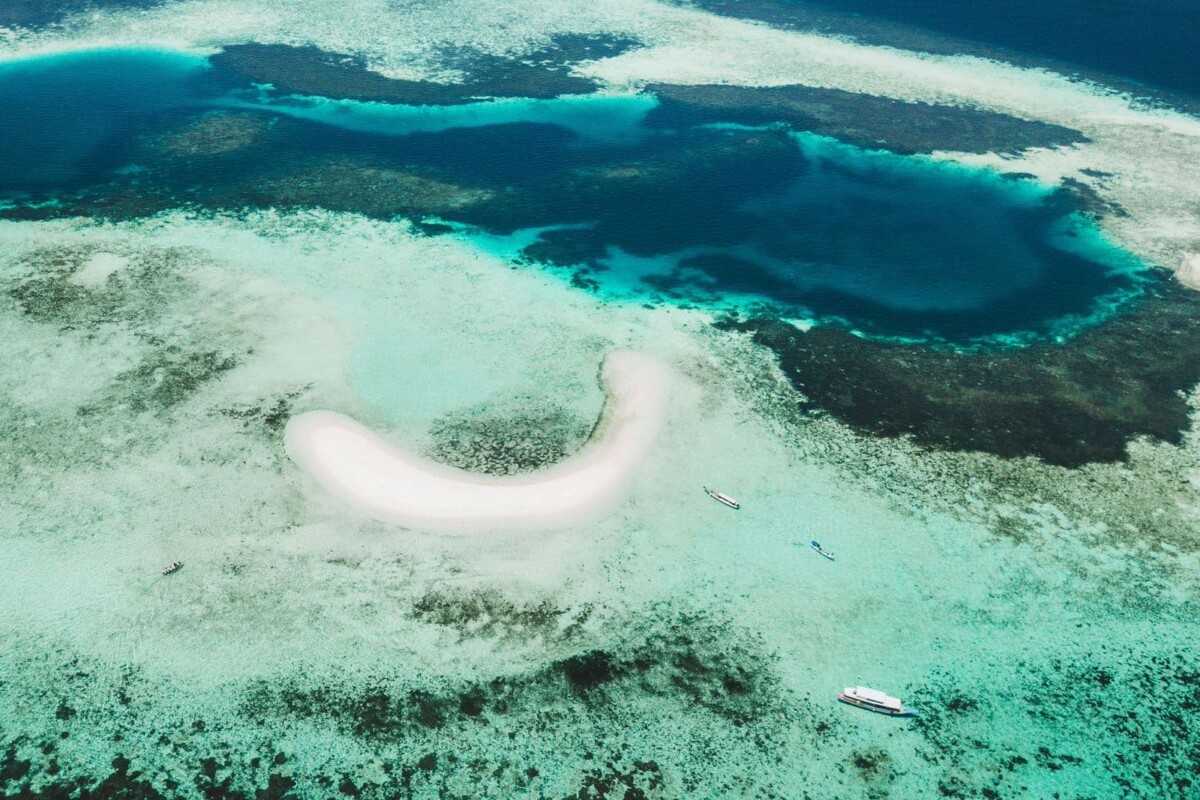
    Aerial Photography of Boats on Shore

    Challenges of Tourism on Property Markets

    Overheated Property Markets

    In some cases, tourism-driven demand can lead to overheated property markets, especially in small towns or areas with limited housing supply. Cities like Reykjavik and Venice have faced challenges where property values soared due to high tourist and investor demand, resulting in locals being priced out and causing gentrification.

    Seasonal Property Value Fluctuations

    Property markets influenced by tourism can experience seasonal value fluctuations. In areas heavily dependent on tourism, property values may peak during high seasons and drop during off-peak times. This volatility poses challenges for property owners and investors, making it difficult to maintain consistent income or predict long-term property trends.

    Strain on Local Resources and Infrastructure

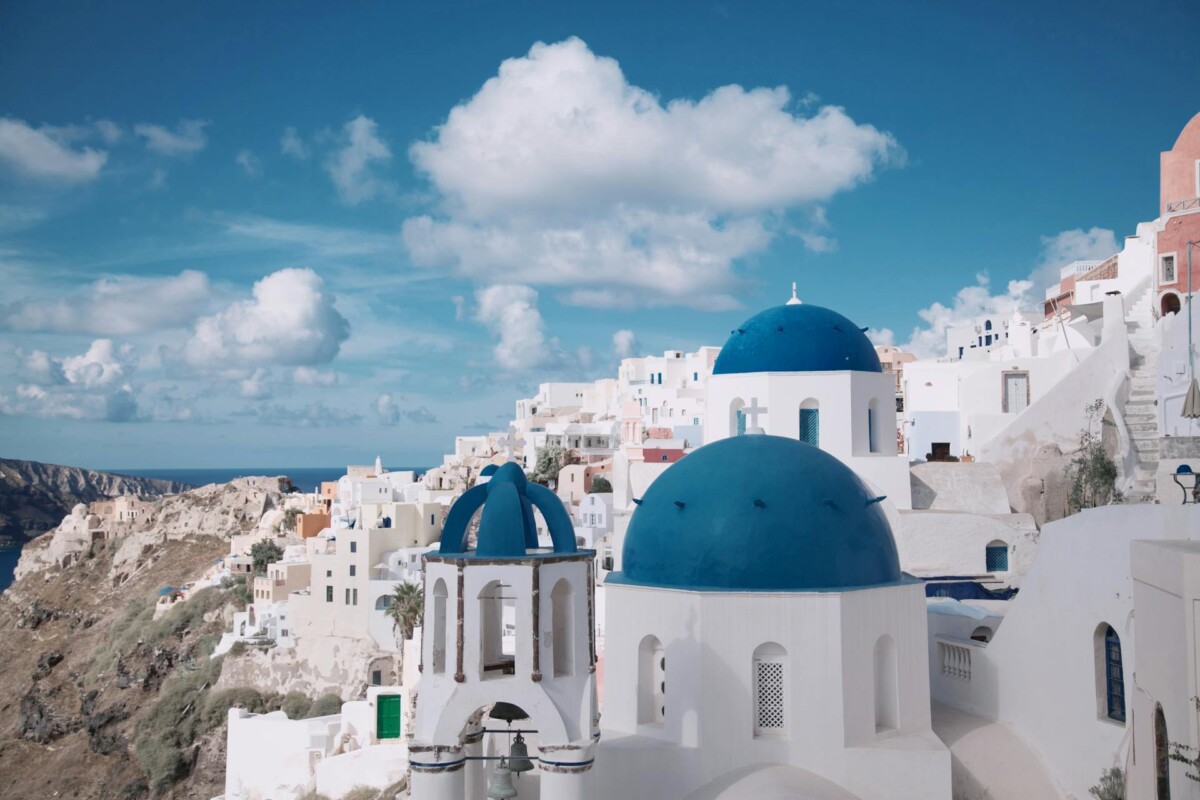
    While tourism can lead to infrastructure improvements, it can also strain local resources. Over-tourism in places like Santorini, Greece, and Dubrovnik, Croatia, has caused overcrowding, traffic congestion, and pressure on public services. These issues can reduce residents’ quality of life and, if unmanaged, may lower property values over time.

    Environmental Degradation

    Uncontrolled tourism can lead to environmental damage, negatively affecting property values. Issues like coastal erosion, pollution, and habitat destruction are common in popular tourist destinations. For example, beaches in Phuket, Thailand, and Bali, Indonesia, have suffered from pollution, potentially diminishing the desirability and value of nearby properties.

    Regional Differences in Tourism’s Impact

    The effect of tourism on property values varies by region. In major global cities like New York, London, and Tokyo, tourism is just one of many factors affecting property values, often with a less pronounced impact. However, in smaller or emerging markets, such as those in Southeast Asia, Central America, or Eastern Europe, tourism can have a more significant effect, sometimes transforming the local real estate landscape completely.

    For example, Bali has experienced a tourism boom that led to increased villa developments, with foreign investors buying properties for vacation rentals. This has driven up land prices in popular areas, spurring rapid urbanization and economic shifts. Conversely, in cities like Paris or Rome, where tourism is well-established, its impact on property values is more gradual and intertwined with broader economic factors.

    Conclusion

    Tourism has a complex relationship with property values. It can drive demand, spur economic growth, and attract foreign investment, all of which boost property values. However, it can also lead to market overheating, seasonal volatility, and environmental challenges, which may negatively affect property values over time.

    Understanding this intricate relationship is crucial for investors and local governments. Sustainable tourism practices, careful urban planning, and effective regulation can help mitigate negative impacts while maximizing the benefits of tourism-driven real estate markets. As tourism continues to evolve globally, its influence on property values will remain a key consideration for stakeholders in the real estate industry.

  • Key Factors to Consider Before Investing in Real Estate

    Key Factors to Consider Before Investing in Real Estate

    When investing in real estate, it’s important to evaluate multiple factors beyond just location, which is still a significant concern. Below is an outline of the key elements to consider before putting your money into real estate.

    1. Property Location


    The phrase “location, location, location” remains a cornerstone of real estate. The value of residential properties is largely determined by proximity to amenities, green spaces, scenic views, and the reputation of the neighborhood. For commercial properties, the proximity to markets, warehouses, transportation hubs, and tax-exempt areas is crucial.


    When assessing a property’s location, consider potential future developments in the area. A currently quiet neighborhood might become industrialized later, affecting property values. Consult local authorities or town halls for information on long-term urban planning in the area.

    2. Property Valuation


    Accurate property valuation is crucial for financing, listing price determination, investment analysis, and managing insurance and taxes.


    Common valuation methods include:

    • Sales comparison: Compares recent sales of similar properties, ideal for both new and old properties.
    • Cost approach: Calculates the cost of land and construction minus depreciation, best for new buildings.
    • Income approach: Focuses on expected rental income, suited for rental properties.

    3. Investment Purpose and Horizon


    Real estate investments are high-value and illiquid. Without a clear goal, you might face unexpected outcomes, especially if the property is mortgaged.


    Define your investment goal:

    • Buy and self-use: Save on rent, enjoy the property, and benefit from appreciation.
    • Buy and lease: Generate regular income and long-term value appreciation.
    • Buy and sell (short-term): Make quick profits, usually by selling under-construction properties upon completion.
    • Buy and sell (long-term): Focus on significant value appreciation over time, aligning with long-term goals like retirement.

    4. Cash Flow and Profit Potential


    Positive cash flow, the money left after expenses, is essential for ensuring a good return on investment.


    Evaluate potential profits and costs, including:

    • Expected rental income
    • Long-term price appreciation
    • Depreciation benefits and tax incentives
    • Renovation costs vs. potential sale price
    • The impact of mortgage loans on property value appreciation

    5. Managing Leverage


    Loans can provide convenience but often come with high costs. They commit your future income and involve long-term interest payments. Managing debt carefully is key to avoiding financial strain.


    Assess your current and future earnings when selecting a mortgage type—fixed-rate, adjustable-rate, or interest-only. Understand the risks associated with each mortgage and compare terms to find the best deal.

    Read more: Key Factors to Consider Before Investing in Real Estate

    6. New Construction vs. Existing Properties

    New constructions offer modern amenities and customization but come with risks like delays and increased costs. Existing properties provide immediate access and established utilities, often at a lower cost.

    For new constructions, research the builder’s reputation and review past projects. For existing properties, examine deeds, surveys, and maintenance costs. Check if the property is rent-controlled or has favorable lease terms if it’s leased.

    7. Indirect Real Estate Investments

    Managing physical properties isn’t for everyone. Indirect investments offer alternative ways to engage in the real estate market.

    Consider options like REITs, real estate stocks, sector-focused mutual funds, ETFs, mortgage bonds, and mortgage-backed securities.

    8. Your Credit Score

    Your credit score affects mortgage qualification and the terms you receive. Higher scores typically lead to better loan conditions, saving money over time.

    Aim for a credit score above 800 to secure the best mortgage terms. Improve your score by paying bills on time, reducing debt, maintaining low credit utilization, and disputing any inaccuracies on your credit report.

    9. Real Estate Market Trends

    As with any investment, buying low and selling high is the goal. Monitoring real estate market trends can help you make informed decisions.

    Keep an eye on home prices, sales, new constructions, property inventory, mortgage rates, and foreclosure rates in your desired market.

    Conclusion

    Real estate investments can diversify your portfolio, providing steady cash flow, appreciation, tax benefits, and risk-adjusted returns. However, it’s vital to consider these factors thoroughly before investing in either physical property or alternative options like REITs.

  • How To Ensure Your Safety During Holiday In Bali

    How To Ensure Your Safety During Holiday In Bali

    Bali is an excellent place to stay for a holiday or long-term trip. The locals, familiar with visitors and travelers, greet tourists warmly in this relatively safe place. Bali is often chosen as a travel destination for solo and female travelers. However, ensuring safety during the holiday is crucial regardless of how secure the place is. Various factors can put your safety at risk, such as crimes, natural disasters, food poisoning, and more. Being cautious and aware of your surroundings will help ensure your safety.

    What to do to stay safe and healthy during your stay in Bali?

    Bali’s popularity among tourists ensures a relatively safe environment for holiday travelers. However, even in a touristy place, risks can still endanger you. Therefore, always taking precautions is essential to ensure your safety and health during your Bali holiday. Here are things you can do to protect yourself while traveling in Bali:

    Stay alert of your surroundings regardless of how safe the place looks. Trust your instinct. Due to the high terrorist threat, it’s crucial to be cautious to stay safe in Bali. You also have to be wary of thieves since it is common for them to target tourists. Card game scams are something you need to be aware of. You should carefully check an ATM for scam devices before withdrawing cash. 

    Keep your belongings close to you in any circumstance. Don’t trust anyone to keep your bags or other valuables, even if you go to the toilet. Keep everything close to you. Keep your bag away from open roads, where bag snatching is prevalent in Bali.

    Read, Also Ultimate Guide: Sailing and Stay Options for Your Labuan Bajo Trip.

    It is highly recommended that you get vaccinated before visiting Bali. You can visit and consult your doctor to see what vaccination is essential for you to get. Strongly recommend getting Hepatitis A and B vaccinations. Other possible necessary vaccinations include typhoid, pertussis, tetanus, and diphtheria. Beware of rabies from animal bites and scratches. Don’t feed and pet monkeys you see in Bali.  

    Be careful about what you consume, mainly when the temptation of street food arises. Always practice good food hygiene to avoid food poisoning. Always drink bottled water and avoid drinking directly from the tap water unless it is boiled. Watch out for drink spiking in nightclubs. Strangers may offer you tainted drinks.

    Be more cautious while on the road, whether on foot or riding a motorbike. The traffic in Bali is busy, congested, and chaotic most of the time. If you are not a professional driver or rider, you can take public transport or hire a local licensed driver. Be careful when walking down the street, especially in the crowd.

  • How Komodo Tour Management Keeps Komodo National Park Clean and Pristine

    How Komodo Tour Management Keeps Komodo National Park Clean and Pristine

    Komodo National Park, in Indonesia, is home to the world-renowned Komodo dragon and offers some of the most breathtaking landscapes in Southeast Asia. Tourists flock to Komodo Island and its surrounding areas for wildlife encounters, snorkeling, diving adventures, and Komodo tour. With increasing popularity comes the responsibility of maintaining the park’s natural beauty and ensuring it remains clean for future generations. The management of Komodo National Park has taken proactive steps to protect the environment, preserve biodiversity, and create sustainable tourism practices.

    The Importance of Sustainable Tourism in Komodo National Park

    As more visitors book their Komodo tour experiences, pressure on the park’s resources and natural landscapes has increased. Sustainable tourism is a top priority for Komodo National Park management. This approach balances tourism needs with conservation responsibility, ensuring that the influx of tourists does not disrupt the park’s fragile ecosystems.

    Management practices within the park have been designed to minimize visitors’ environmental footprint while promoting eco-friendly tours and activities. Whether guests embark on a Komodo liveaboard adventure or a day tour to Komodo Island, they are encouraged to follow responsible tourism practices that protect the park.

    Also, read Dive with Confidence: Komodo Island Weather Know-How.

    Waste Management and Cleanliness Initiatives

    A key aspect of maintaining the park’s cleanliness is effective waste management. Komodo National Park management has implemented strict regulations to minimize and properly dispose of tourists’ waste. Tour operators, including Komodo liveaboard companies, must adhere to strict waste disposal policies, including using designated waste collection areas on boats and in the park.

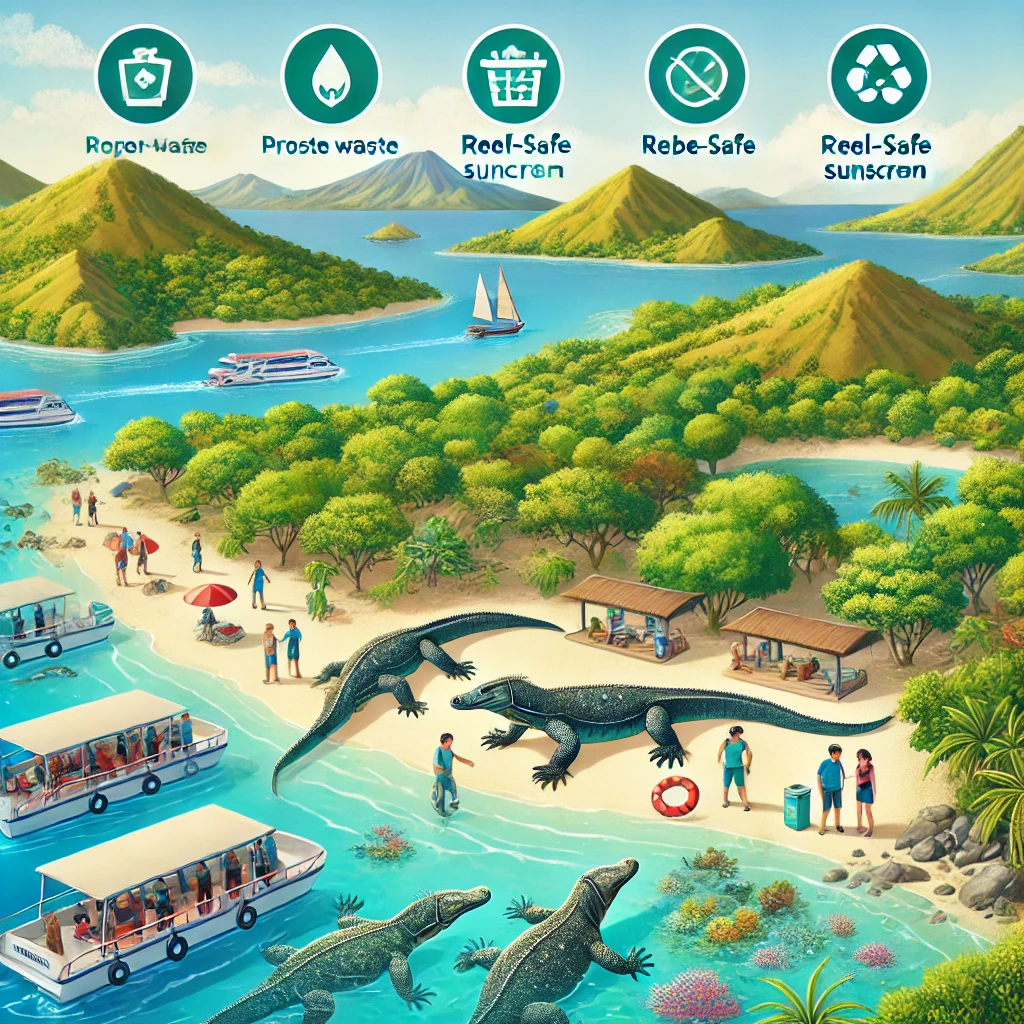
    Single-use plastics are discouraged within the park, and many tour operators are transitioning to reusable materials. Many Komodo tour providers now supply reusable water bottles and eco-friendly meal packaging. This reduces the quantity of plastic waste generated, which can damage marine life and the environment.

    Designated staff and park rangers monitor the cleanliness of the park and the surrounding islands. These individuals ensure that tourists and tour operators comply with the park’s regulations. They regularly patrol the islands and beaches to remove any waste that might have been accidentally left behind or washed ashore.

    Conservation Programs and Biodiversity Protection

    Preserving the biodiversity of Komodo National Park is essential for the Komodo dragons and the entire ecosystem. Komodo Island is home to several endemic species, and protecting these animals and their habitats is a primary concern for park management.

    One key conservation initiative is raising tourists’ awareness of the significance of protecting wildlife. During any Komodo tour, visitors are briefed on the behavior of Komodo dragons and the rules they must follow to ensure their safety and the security of the animals. Visitors must keep a safe distance from the dragons and avoid feeding or disturbing them.

    Komodo tour taking part of Conservation Programs and Biodiversity Protection

    Marine conservation is also a significant aspect of Komodo National Park management. The waters around Komodo Island are home to some of the richest marine biodiversity in the world. Coral reefs, mangroves, and seagrass beds are habitats for countless marine species. Park management works with Komodo liveaboard operators to ensure that dive sites are well-protected and that divers follow sustainable practices. Tourists should avoid touching the coral reefs and use reef-safe sunscreen to prevent damage to the marine ecosystem.

    Eco-Friendly Komodo Liveaboard Experiences

    The rise in popularity of Komodo liveaboard tours presents unique challenges in maintaining cleanliness and minimizing environmental impact. Liveaboards allow tourists to explore the park over several days, often aboard boats traveling between the islands. Komodo National Park has set specific guidelines for liveaboard operators to follow to maintain the park’s pristine condition.

    Operators must use environmentally friendly practices such as proper waste disposal, limiting the use of engines to reduce fuel consumption, and ensuring that tourists follow all park guidelines. Additionally, many liveaboard tours include educational programs to increase awareness about the importance of conservation in Komodo National Park. These programs help tourists understand their role in preserving the area’s natural beauty.

    Eco-conscious liveaboard operators are increasingly adopting green technologies, such as solar panels and energy-efficient engines, to reduce their carbon footprint. These efforts align with the park’s goal of promoting sustainable tourism and saving the environment for future generations of visitors and nature.

    Tourist Education and Responsibility

    A crucial aspect of keeping Komodo National Park clean and pristine is educating tourists on their responsibility while visiting. Before Komodo tours or liveaboards, tourists receive detailed instructions on responsible behavior. These instructions cover everything from waste management to respecting wildlife and marine ecosystems.

    Park management encourages tourists to leave no trace behind, ensuring that they take all their waste with them when they leave the park. Visitors are also encouraged to support eco-friendly businesses and tour operators who prioritize sustainability.

    Additionally, volunteer programs within the park allow tourists to actively participate in conservation actions, such as beach clean-ups and coral restoration projects. These programs contribute to the park’s cleanliness and give visitors a deeper understanding of the importance of environmental protection.

  • Is Homeownership in Bali Still Affordable? Think Again

    Is Homeownership in Bali Still Affordable? Think Again

    Bali, once a haven for budget backpackers and bohemian expats, has dramatically transformed. The island’s allure has grown exponentially, attracting tourists, digital nomads, and investors from around the globe. The recent rise in demand has significantly influenced the real estate market, leading to questions about whether homeownership in Bali is still achievable.

    The Bali Dream Fades

    For years, the dream of owning a slice of paradise in Bali has captivated the imagination of many. Images of sprawling villas with private pools and lush gardens have become synonymous with the island’s lifestyle. However, the reality is far from idyllic for those seeking affordable homeownership in Bali.

    The Price is Right… Up

    The cost of living in Bali, once incredibly low, has risen dramatically. Property values have soared, particularly in prime locations like Seminyak, Canggu, and Ubud. What was once considered a budget-friendly investment has become a high-stakes gamble for many.

    The Foreign Investor Factor

    The influx of foreign investors significantly contributes to escalating property prices. With Bali’s growing reputation as a desirable destination, international buyers have flocked to the island, increasing demand and, consequently, prices. This trend has made it increasingly more work for locals and expats on a budget to compete in the property market.

    Also Read, Be Aware Of Common Scams Targeting Small Businesses

    The Hidden Costs

    Owning a home in Bali extends beyond the initial purchase price. Property taxes, maintenance, and potential renovation expenses can add up quickly. Additionally, navigating the complex legal and bureaucratic processes associated with property ownership can be time-consuming and costly.

    The Silver Lining: Alternative Options

    While owning a home in Bali might be out of reach for many, there are still opportunities to experience the island lifestyle. Consider these alternatives:

    • Rental properties: Owning rental properties can provide you with a regular source of income and the opportunity for the property’s value to increase over time.
    • Co-living spaces: Sharing accommodation with like-minded individuals can be a more affordable option while still enjoying the Bali experience.
    • Long-term rentals: Committing to a long-term rental agreement can provide stability and a sense of home without the burden of ownership.

    While the dream of owning a Bali home might seem distant, the island’s allure remains undeniable. By exploring alternative options and understanding the current market conditions, you can still experience the magic of Bali without breaking the bank.

    Remember, the property market is dynamic, and conditions can change. Stay informed, explore your options, and don’t let the high prices deter you from enjoying everything Bali offers.