Author: Sharlene Harrison

  • Community-Driven Property Development in Bali

    Community-Driven Property Development in Bali

    In recent years, the concept of community-driven property development has been gaining traction worldwide. It now is evident in Bali, Indonesia. This approach prioritizes the needs and aspirations of local communities, ensuring that development projects not only bring economic growth but also enhance the social fabric of the area. From supporting local businesses to providing essential community facilities, these developments are reshaping the landscape of urban and rural development.

    The Essence of Community-Driven Development

    Community-driven property development is based on the principle of inclusivity. It involves residents in the decision-making process, ensuring that the projects reflect their needs and preferences. This collaborative approach leads to developments that are more sustainable and beneficial for the local populace. Examples include mixed-use developments that combine residential, commercial, and communal spaces, offering a holistic living experience.

    Boosting Local Economies

    A significant benefit of community-driven development is the boost it provides to local economies. By incorporating spaces for local businesses, these projects create new job opportunities and encourage the growth of local entrepreneurship. This is particularly impactful in areas where economic growth has been stagnant, providing a much-needed stimulus.

    Community Facilities: More than Just Buildings

    Another key aspect of these developments is the inclusion of community facilities. These can range from parks and recreational areas to libraries and community centers. These facilities become hubs of social interaction, fostering a sense of belonging and community spirit among residents.

    Tattoo Industry: A Surprising Economic Catalyst in Bali

    In the midst of this development landscape, an unexpected player has emerged as an economic booster: the tattoo industry. Bali, renowned for its stunning landscapes and vibrant culture, has also become a hub for the tattoo industry. This art form, deeply ingrained in Balinese culture, has attracted artists and enthusiasts from across the globe, turning the island into a premier destination for tattoo artistry.

    The rising popularity of tattoos in Bali presents a unique opportunity for community-driven property developments. Integrating a tattoo shop in Bali within these projects could attract a diverse clientele, boosting local tourism and providing additional revenue streams. This blend of cultural art and modern development reflects the dynamic nature of Bali’s economy, showcasing how traditional art forms can be harmoniously incorporated into contemporary spaces.
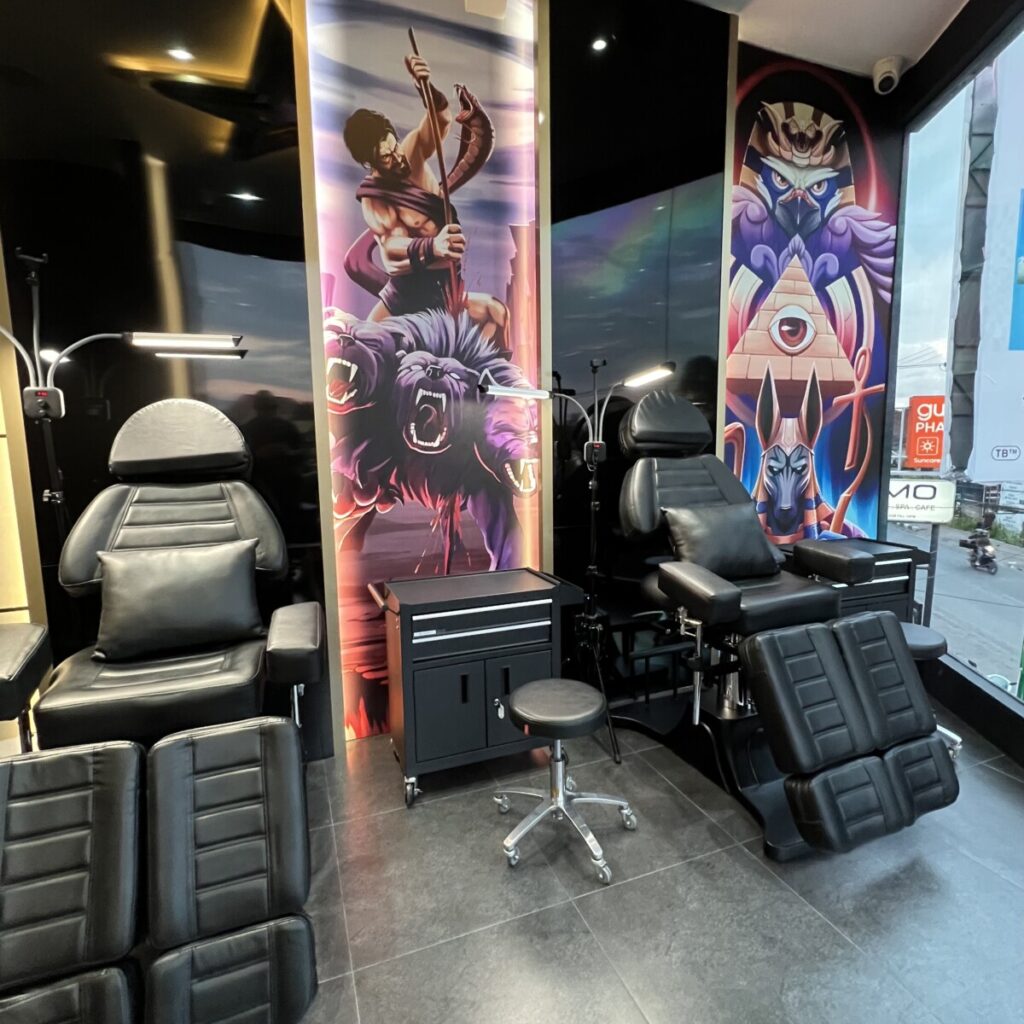
    an interior design of a tattoo studio in Bali

    Balancing Development with Cultural Integrity

    Incorporating elements like a tattoo studio into property developments underscores the importance of balancing progress with cultural integrity. It’s a testament to how modern developments can respect and celebrate local traditions, contributing positively to the community’s cultural and economic landscape.

    Bali’s Real Estate Investment Hotspots

    As Bali continues to evolve, certain areas on the island stand out as prime locations for real estate investment. These areas combine the allure of Bali’s natural beauty with the practicality of modern living.

    • Seminyak: The Trendy Choice

    Seminyak, known for its upscale beach resorts, vibrant nightlife, and luxurious shopping experiences, is a prime spot for investors. Its cosmopolitan atmosphere makes it attractive for high-end residential and commercial developments.

    • Canggu: The Blend of Traditional and Modern

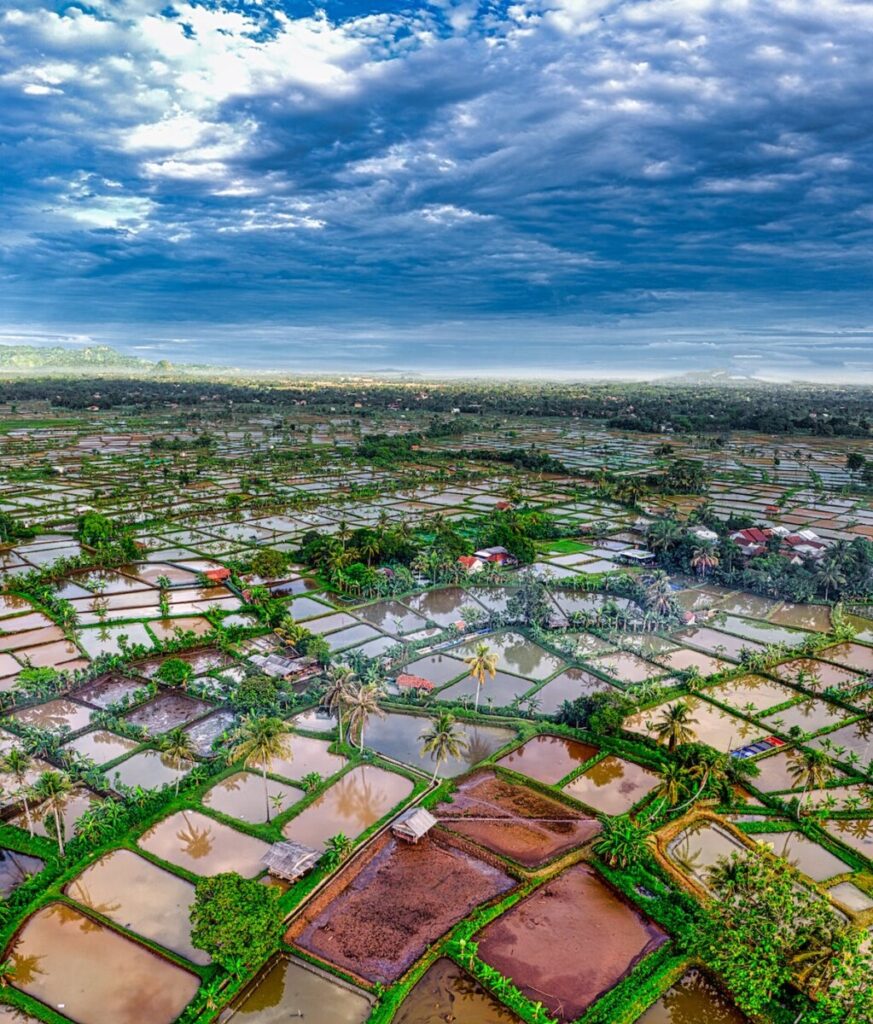
    Canggu, with its serene rice fields and bustling cafes, represents a blend of traditional Balinese lifestyle and modern comforts. It’s an ideal location for developments that seek to offer a peaceful yet connected living experience.

    • Ubud: Cultural Heart of Bali

    Ubud, the cultural heart of Bali, is famed for its traditional arts and crafts, serene landscapes, and spiritual ambiance. Real estate investment here can capitalize on the area’s cultural richness, attracting those who seek a tranquil yet culturally immersive living environment.

    • Nusa Dua: The Luxury Haven

    Nusa Dua, renowned for its exclusive resorts and pristine beaches, is a haven for luxury developments. Investment here caters to a high-end market, offering unmatched tranquility and elegance.

    Conclusion

    Community-driven property development in Bali is not just about constructing buildings; it’s about creating spaces that embody the essence of the communities they serve. By integrating aspects like local businesses and respecting cultural elements such as the tattoo industry, these developments are setting a new standard in real estate. The island’s diverse areas, each with its unique appeal, offer promising opportunities for investment, blending the beauty and culture of Bali with the needs of a modern populace. As we look to the future, these developments have the potential to redefine the concept of progress, making it synonymous with community enrichment and cultural respect.
  • Strategies for Adhering to Zoning Regulations in Bali’s Real Estate Market

    Strategies for Adhering to Zoning Regulations in Bali’s Real Estate Market

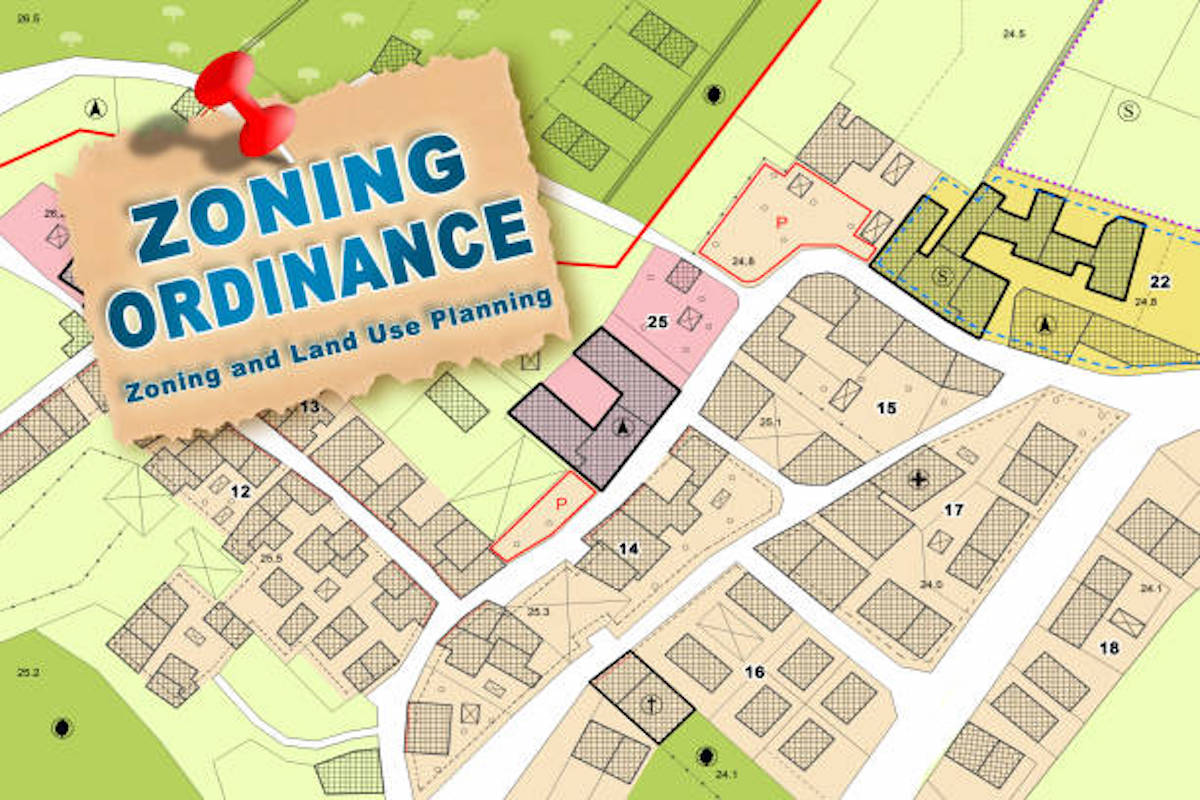
    Bali, known for its breathtaking landscapes and vibrant culture, has become an attractive destination for real estate investment. However, navigating the zoning regulations in this tropical paradise can be a complex endeavor. Understanding and adhering to these rules is vital for any successful real estate project on the island. In this article, we’ll explore effective strategies to ensure compliance with Bali’s zoning laws while maximizing the potential of your property investments.

    Conduct Thorough Research and Due Diligence

    Before embarking on any real estate project in Bali, it’s imperative to conduct thorough research and due diligence regarding the zoning regulations applicable to your specific location. Bali’s zoning laws can vary significantly from one area to another, and understanding these distinctions is paramount. For instance, areas designated as agricultural may have strict restrictions on development, while designated tourism zones may have more lenient regulations.

    zoning regulations at agricultural zones

    Engage with local experts with a deep knowledge of the region’s zoning codes. Real estate attorneys, architects, and zoning consultants can provide invaluable insights into the specific requirements and limitations that apply to your chosen property. They can also help you navigate the intricacies of the permit application process, ensuring that all necessary approvals are obtained.

    Engage Professional Assistance

    Navigating Bali’s zoning regulations requires a deep understanding of local laws and practices. Engaging the services of skilled experts, such as local architects, real estate attorneys, and zoning consultants, can be invaluable. These professionals possess the understanding and skills to ensure your project complies with all relevant zoning requirements. 

    They can provide invaluable insights and guide you through obtaining the necessary permits and approvals. For example, a seasoned architect familiar with Bali’s zoning codes can design a project that optimally utilizes the available space while adhering to height restrictions and setback requirements. A real estate attorney can offer legal guidance, ensuring all documentation and applications are correctly filed and compliant with local laws.

    Leverage Community Engagement

    Building solid connections with the local community can be crucial in successful real estate ventures in Bali. Engaging with community members, attending local meetings, and understanding their concerns and preferences can help foster goodwill and support for your project. This proactive approach not only demonstrates your commitment to being a responsible developer but can also lead to smoother interactions with local authorities during the approval process.

    For instance, if your project includes amenities or features that benefit the local community, such as a public park or improved infrastructure, highlighting these aspects can garner support from residents. Additionally, addressing any concerns raised by community members transparently and respectfully can help build trust and goodwill.

    Read More:

    Tips for Running a Successful Boarding House Business in Bali

    Renting vs. Buying a Home

    Optimize Design and Land Use

    Adhering to zoning regulations often requires careful consideration of the property’s design and land use. Tailoring your project to align with the specific requirements of the zoning code can help streamline the approval process. Work closely with architects and designers who have a deep understanding of Bali’s zoning laws to create a plan that maximizes the property’s potential while adhering to all regulatory constraints.

    For example, if you’re developing a property in a coastal area with restrictions on building height to preserve scenic views, a skilled architect can design a low-profile, aesthetically pleasing structure that still provides the desired amenities and functionality.

    Seek Variances and Special Permits

    Sometimes, it may be necessary to seek variances or special permits to deviate from certain zoning requirements. This can be a complex process, but it’s an avenue worth exploring if it enables you to unlock the full potential of your property. Engage with legal and zoning experts who can guide you through the application process and present a compelling case for any variances or special permits you may require.

    For example, suppose a zoning regulation restricts the number of units you can build on a particular parcel of land. In that case, you may seek a variance based on unique circumstances or a special permit for a specific type of development, such as affordable housing.

    Stay Informed and Flexible

    Bali’s real estate market and zoning regulations are subject to change, influenced by tourism trends, infrastructure development, and government policies. Staying informed about these shifts is essential for long-term success. Maintain open lines of communication with local authorities, industry associations, and legal advisors to ensure you stay informed of any revisions or modifications that may affect your projects. Adaptability and flexibility in your approach will position you for success in this dynamic market.

    For instance, if there are proposed changes to zoning regulations that could affect your project, staying informed allows you to adjust your plans accordingly. This could involve modifying the design, seeking additional approvals, or even reconsidering the location of your project.

  • Dive with Confidence: Komodo Island Weather Know-How

    Dive with Confidence: Komodo Island Weather Know-How

    Komodo Island, nestled in the heart of the Indonesian archipelago, is a haven for divers seeking unparalleled underwater adventures. With its vibrant coral reefs, various marine life, and thrilling drift dives, it’s no wonder that Komodo has earned its reputation as a world-class diving destination. However, like any aquatic environment, understanding the nuances of weather and sea conditions is crucial for a safe and enjoyable diving experience. Explore the intricacies of Komodo’s weather patterns, currents, and seasonal variations, providing you with the knowledge to dive with confidence and make the most of your underwater exploration.

    The Equatorial Influence: Komodo’s Climate Overview

    To truly grasp the underwater conditions in Komodo, one must first acquaint themselves with the equatorial climate that defines this region. The island experiences two distinct seasons: the dry season, which typically spans from April to November, and the wet season, prevailing from December to March. During the dry season, Komodo enjoys warm temperatures, clear skies, and calm seas, making it the preferred time for most divers. However, the wet season, characterized by intermittent rain and stronger winds, can bring about more challenging diving conditions. It’s essential to plan your trip around these climate patterns to optimize your diving experience.

    The dry season presents divers with optimal conditions for exploring Komodo Island’s underwater wonders. With temperatures ranging from 27-29°C (81-84°F), the water is comfortably warm, allowing for extended dives without discomfort. The visibility during this period is exceptional, often exceeding 30 meters, offering crystal-clear views of the stunning marine life and coral formations that Komodo Island is renowned for. The calm seas create a tranquil diving environment, perfect for capturing the vivid colors and intricate details of the underwater world through photography.

    Tides and Currents: Nature’s Underwater Ballet

    One of the mesmerizing aspects of diving on Komodo Island is the dynamic underwater landscape sculpted by powerful currents. These currents, driven by the tidal movements between the Indian and Pacific Oceans, create an exhilarating environment for experienced divers. However, they also demand a higher level of expertise and understanding. To fully appreciate Komodo’s underwater wonders, it’s advisable to join guided dives led by knowledgeable local instructors who are well-versed in the ebb and flow of these tides. They can lead you to the most awe-inspiring dive sites while ensuring your safety.

    The currents in Komodo can vary widely from one dive site to another and even throughout the day. Places like Castle Rock and Crystal Rock are renowned for their exhilarating drift dives, where divers glide along with the current, witnessing abundant marine life in action. On the other hand, sites like Pink Beach offer more sheltered conditions, perfect for leisurely reef explorations. It’s crucial to listen attentively to your dive guide’s briefing and follow their instructions to navigate these currents safely and maximize your dive.

    Read More:

    Ultimate Guide: Sailing and Stay Options for Your Labuan Bajo Trip

    A Weekend Getaway to Bali Beachfront Resort

    The Dry Season Delight: April to November

    For many divers, the dry season in Komodo is the optimal time to explore its rich marine biodiversity. During these months, the sea is calm, offering excellent visibility and tranquil diving conditions. The water temperature hovers around a comfortable 27-29°C (81-84°F), making it ideal for extended dives. The coral reefs, bursting with life, showcase their full splendor, and encounters with majestic creatures like mantas and sharks are commonplace. Whether exploring iconic sites like Batu Bolong or diving into lesser-known gems, the dry season promises an unforgettable underwater adventure.

    Navigating the Wet Season: December to March

    While the wet season may bring occasional rain and stronger winds to Komodo Island, it offers unique diving experiences. The underwater world takes on a different character, with some sites flourishing even more during this time. The nutrient-rich waters attract abundant marine life, from vibrant nudibranchs to elusive critters. It’s worth noting that currents can be more unpredictable during the wet season, requiring divers to exercise heightened caution and rely on the expertise of seasoned guides.

    During the wet season, dive sites like Cannibal Rock and Torpedo Alley come alive with an explosion of marine biodiversity. Soft corals sway with the surge, providing shelter to various fascinating creatures. Critter enthusiasts will be delighted by the plethora of emerging macro life, including pygmy seahorses and ornate ghost pipefish. While visibility may be slightly reduced, the vibrant colors and bustling marine activity more than compensate for it, offering a unique perspective of Komodo’s underwater realm.

    Safety First: Tips for Diving in Komodo Island

    Regardless of the season, safety should always be paramount when embarking on a diving adventure in Komodo. Here are some essential tips to keep in mind:

    Dive with a Reputable Operator

    Choosing an experienced and well-regarded dive operator is the foundation of a safe diving experience. They will have intimate knowledge of the local conditions and prioritize your safety.

    Stay Informed About Weather Updates

    Keep a close eye on weather forecasts and be aware of potential changes in conditions. This foresight can help you plan your dives accordingly and avoid unexpected challenges.

    Dive within Your Skill Level

    Komodo offers dives suitable for all levels of expertise. However, if you’re new to drift diving or are still determining certain conditions, feel free to communicate this to your guide. They can tailor the experience to your comfort and proficiency.

    Carry Essential Safety Gear

    Having the right equipment, including surface markers, dive knives, and a signaling device, can be crucial in case of any unforeseen circumstances.

    Respect the Marine Environment

    Lastly, always practice responsible diving. Avoid touching or disturbing marine life, and refrain from collecting souvenirs from the ocean floor. Leave only bubbles and take only memories.

  • Tips for Running a Successful Boarding House Business in Bali

    Tips for Running a Successful Boarding House Business in Bali

    Bali is a popular tourist destination and with good reason. It has beautiful beaches, lush rainforests, ancient temples, and a vibrant culture. This makes it a great place to start a boarding house business.

    If you’re thinking about starting a boarding house business in Bali, here are some tips to help you succeed:

    Choose the Right Location

    When choosing a location for your boarding house, it’s essential to consider the following factors:

    • Proximity to tourist attractions: You want your boarding house near popular tourist attractions so your guests can quickly get around and explore the island.
    • Access to transportation: You also want to ensure that your boarding house is easily accessible by public transport and taxis.
    • Peace and quiet: You want your guests to relax and enjoy their stay, so choosing a peaceful and quiet location is crucial.

    Target the Right Market

    Once you’ve chosen a location, targeting the right market for your boarding house is important. Are you targeting budget travelers? Luxury travelers? Families? Couples? Once you know your target market, you can tailor your marketing and services to their needs.

    Price Your Rooms Competitively

    When pricing your rooms, it’s important to consider the following factors:

    • The cost of living in Bali: The cost of living in Bali is relatively low, so you can price your rooms competitively.
    • The location of your boarding house: If your boarding house is located in a popular tourist area, you can charge higher rates.
    • The amenities you offer: If your boarding house provides amenities such as a swimming pool, Wi-Fi, and breakfast, you can charge higher rates.

    Read More:

    Renting vs. Buying a Home

    Diversity & Inclusion in Modern Business

    Market Your Boarding House

    There are several ways to market your boarding house:

    • Online travel agencies: You can list your boarding house on online travel agencies such as Booking.com and Airbnb. This will help you reach a broad audience of potential guests.
    • Social media: You can also use social media to market your boarding house. Create a Facebook page, and Instagram account for your boarding house and share photos and videos of your property and the surrounding area.
    • Word-of-mouth: One of the best ways to market your boarding house is through word-of-mouth. Encourage satisfied guests to leave reviews on online travel agencies and social media.

    Provide Excellent Customer Service

    One of the most important things you can do to ensure the success of your boarding house business is to provide excellent customer service. This means being friendly and helpful to your guests and responsive to their needs.

    Here are some tips for providing excellent customer service:

    • Be welcoming and friendly: Greet your guests with a smile and make them feel welcome.
    • Be helpful and informative: Be able to answer your guests’ questions about the area and the island.
    • Be responsive to their needs: If your guests have a problem, address it promptly and courteously.

    Maintain Your Property

    It’s important to maintain your property in good condition. This means keeping the rooms clean and tidy and repairing any damage promptly. You should also make sure that your property is well-maintained and landscaped.

    By following these tips, you can increase your chances of success in the boarding house business in Bali.

    Additional Tips:

    • Offer a variety of room types: Some guests may prefer a private room. In contrast, others may be happy to share a room with other guests. Offer a variety of room types to accommodate your guests’ needs.
    • Provide amenities that your guests will appreciate: Amenities such as a swimming pool, Wi-Fi, and breakfast are always appreciated by guests.
    • Create a welcoming and social atmosphere: Encourage your guests to interact with each other and make friends. This will help them to have a more enjoyable stay.
    • Be flexible and understanding: Things don’t always go according to plan, so it’s important to be flexible and understanding with your guests. If a guest has a problem, be willing to work with them to find a solution.

    Running a boarding house business in Bali can be a rewarding experience. Still, it’s important to be prepared for the challenges involved. By following the tips above, you can increase your chances of success.

  • Ultimate Guide: Sailing and Stay Options for Your Labuan Bajo Trip

    Ultimate Guide: Sailing and Stay Options for Your Labuan Bajo Trip

    Labuan Bajo, nestled on the western tip of Flores Island in Indonesia, is a paradise for adventure seekers and nature enthusiasts. With its crystal-clear waters, vibrant marine life, and stunning landscapes, it’s no wonder that Labuan Bajo has become a sought-after destination for sailing enthusiasts. This comprehensive guide will take you through the best sailing and stay options, ensuring your Labuan Bajo trip is extraordinary.

    Sailing into Serenity: Exploring the Flores Sea

    Liveaboard Luxury: Your Home on the Waves

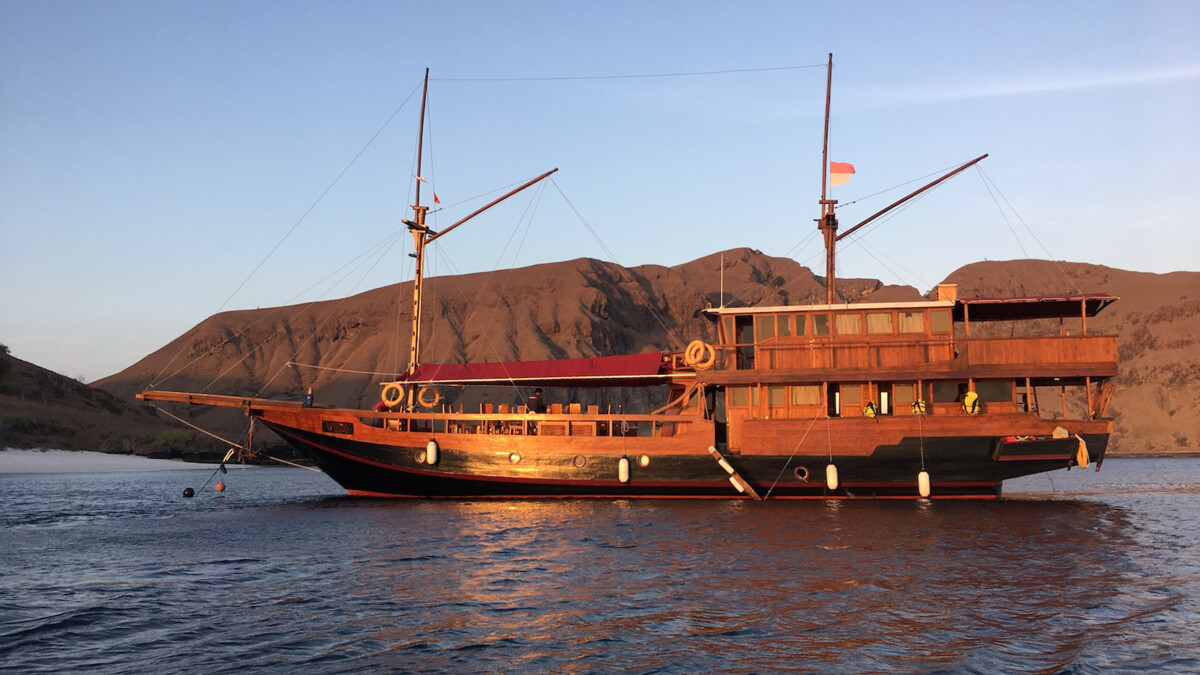
    One of the most enchanting ways to experience Labuan Bajo is aboard a liveaboard vessel. These are not just boats; they are floating havens of luxury equipped with all the amenities you could dream of. Picture waking up to the gentle rocking of the boat, surrounded by the vast expanse of the Flores Sea. Liveaboard experiences range from intimate vessels perfect for couples to spacious yachts ideal for family getaways. Your days will be filled with exploration, and your nights will be filled with the soothing sounds of the sea.

    Sail and Snorkel: Diving into Underwater Wonders

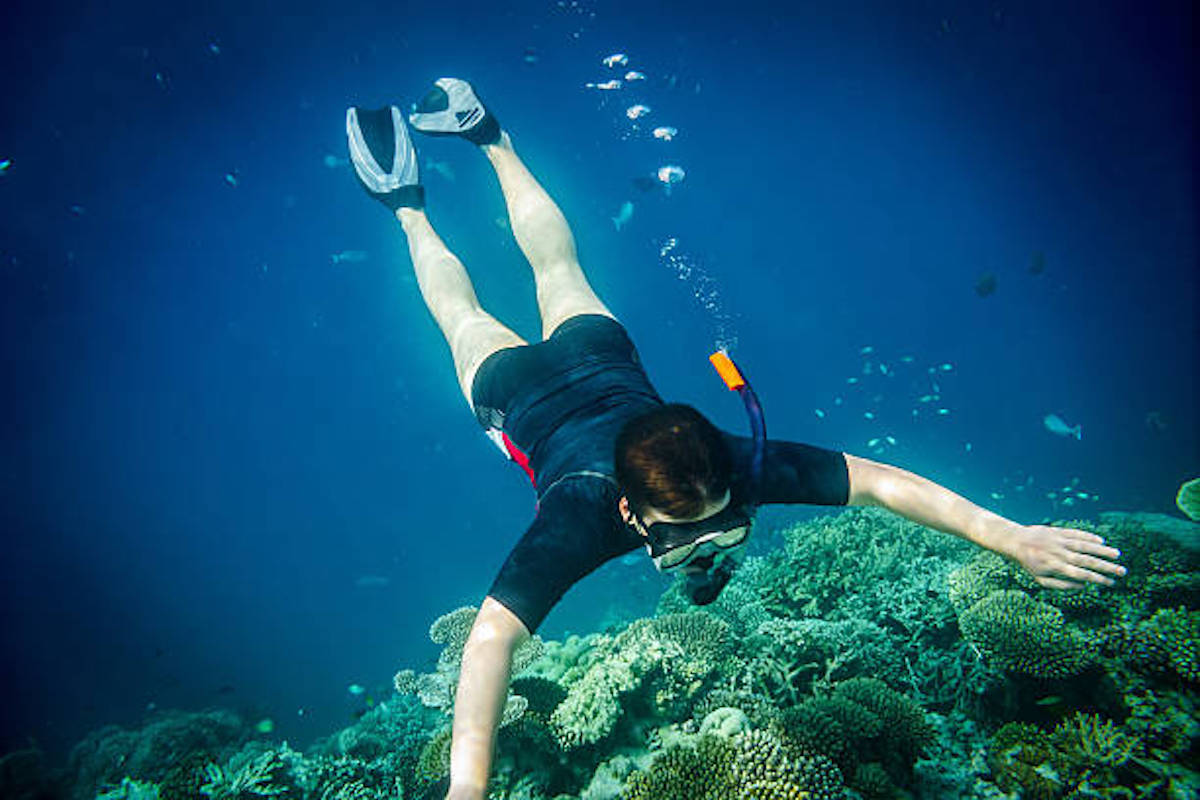
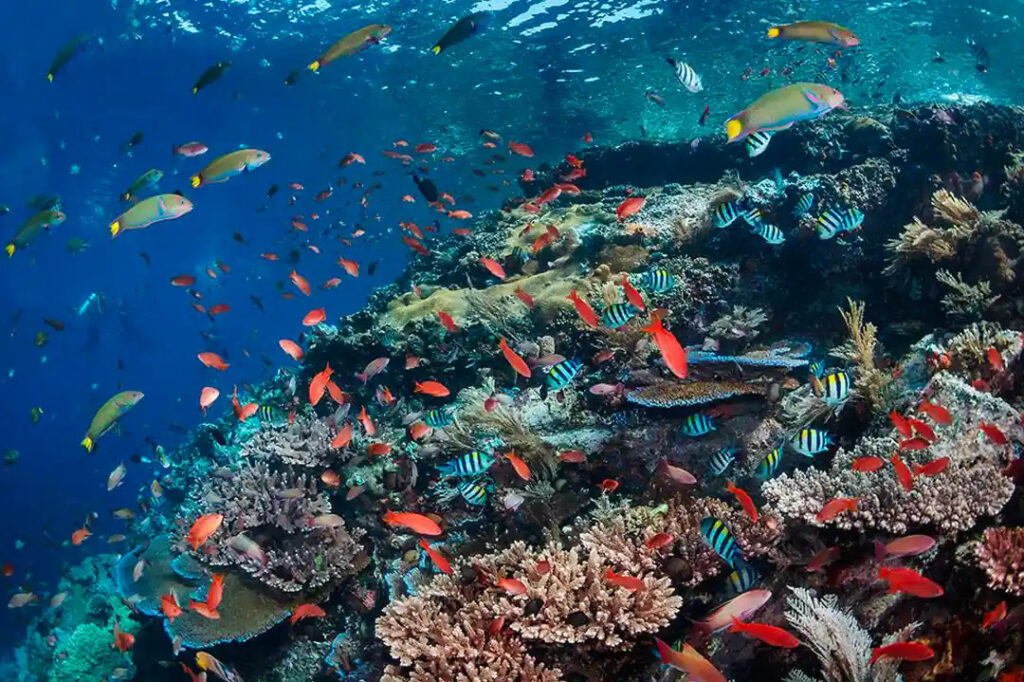
    Labuan Bajo is renowned for its world-class diving spots, and a sailing adventure here offers unparalleled access to this underwater wonderland. From vibrant coral reefs to mesmerizing shipwrecks, the Flores Sea is a treasure trove for divers of all levels. Whether you’re a seasoned pro or a novice eager to take the plunge, a sailing trip in Labuan Bajo promises unforgettable subaquatic experiences. The marine biodiversity is staggering, and you might find yourself swimming alongside graceful manta rays or encountering the majestic Komodo Dragons beneath the waves.

    Read More:

    The Ultimate Guide to a Komodo Liveaboard: How to Plan Your Trip

    Enhance Your Skills with Golf Lessons at the Best Resort in Bali

    Anchoring in Paradise: Choosing Your Stay Options

    Seaside Serenity: Beachfront Resorts in Labuan Bajo

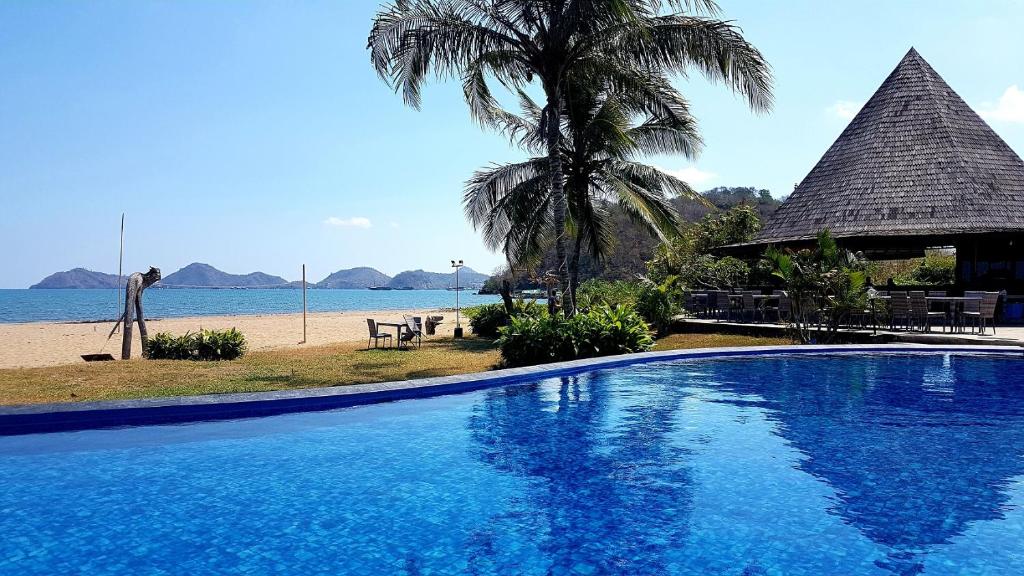
    Labuan Bajo boasts an array of beachfront resorts that offer breathtaking views and a tranquil escape from the hustle and bustle of daily life. Imagine waking up to the sound of waves gently caressing the shore, with the sun rising over the horizon. These resorts provide comfortable accommodations and serve as gateways to the natural wonders that Labuan Bajo offers. Take leisurely strolls along the beach, savoring the salty breeze, or simply unwind with a book while the waves serenade you.

    Stay at Beachfront Resorts after sailing trip in Labuan Bajo

    Rustic Retreats: Eco-Friendly Lodges Near Komodo National Park

    Eco-friendly lodges near Komodo National Park are an excellent choice for those seeking a closer connection to nature. Nestled amidst lush greenery, these lodges blend seamlessly with the natural environment. They offer a unique opportunity to immerse yourself in the area’s rich biodiversity while enjoying comfortable and sustainable accommodation options. You’ll find yourself waking up to the calls of exotic birds and falling asleep to the gentle rustling of leaves, all while knowing you’re treading lightly on this precious ecosystem.

    Secluded Splendor: Private Villas and Bungalows

    For a more intimate experience, consider renting a private villa or bungalow. These secluded retreats offer privacy and exclusivity, perfect for couples or small groups. Many of these accommodations boast stunning ocean views and provide personalized services to ensure your stay in Labuan Bajo is extraordinary. Imagine having your own paradise, complete with a private pool and a dedicated staff catering to your every need. It’s the epitome of luxury in the heart of nature.

    Crafting Your Ideal Itinerary: Tips for a Seamless Adventure

    Embrace the Explorer Within: Must-Visit Destinations

    No Labuan Bajo adventure is complete without exploring this archipelago’s iconic destinations. From the awe-inspiring Komodo Island, home to the famous Komodo Dragons, to the hidden gems of Rinca Island, each stop on your sailing itinerary promises a unique and awe-inspiring experience. Trek through lush forests encounter fascinating wildlife, and witness landscapes that seem straight out of a dream. Every step in Labuan Bajo enters a world of natural marvels.

    Snorkel, Dive, Repeat: Maximizing Your Underwater Adventures

    Make the most of Labuan Bajo’s underwater wonders by strategically planning your snorkeling and diving excursions. Consult with local guides or your liveaboard crew to ensure you visit the best dive sites, each teeming with vibrant marine life and coral formations. Whether you’re exploring vibrant coral gardens, encountering schools of colorful fish, or descending into the depths to discover hidden treasures, the underwater world of Labuan Bajo is a realm of endless fascination.

    Sunset Sailing: Capturing Moments of Magic

    Labuan Bajo is renowned for its breathtaking sunsets, and experiencing one from the deck of your sailing vessel is a memory you’ll cherish forever. Coordinate your itinerary to ensure you’re in the perfect spot to witness the sun’s fiery descent below the horizon. The sky transforms into a canvas of warm hues, with the silhouette of distant islands adding to the spectacle. You’ll be reminded of the sheer beauty and serenity that Labuan Bajo has to offer.

    Capturing Magic Moments of Sunset on salining trip in Labuan Bajo

    Crafting Memories in Labuan Bajo

    A Labuan Bajo sailing trip is a tapestry of natural wonders, underwater marvels, and unforgettable moments. Choosing suitable sailing and stay options ensures a comfortable trip and unlocks this tropical paradise’s full potential. So, embark on this journey with anticipation, and let Labuan Bajo weave its magic on you. Happy sailing!

  • Unlocking the Hidden Treasures of Eastern Indonesia’s Untapped Tourist Destinations

    Unlocking the Hidden Treasures of Eastern Indonesia’s Untapped Tourist Destinations

    Are you an intrepid traveller looking for your next off-the-beaten-path experience? Look no further; Eastern Indonesia is calling. This overlooked paradise offers far more than just beautiful scenery. It’s an uncharted world of cultural richness, diverse ecosystems, and endless adventure. 

    Let this comprehensive guide introduce you to the best-kept secrets of Eastern Indonesia’s untapped tourist destinations. From untouched coral reefs to secluded surf spots, you’ll discover destinations that offer more than just a picturesque Instagram backdrop.

    Dive Into the Splendours of Raja Ampat

    Raja Ampat isn’t just another tropical paradise; it’s a diver’s dream. With its 1,500 small islands, it boasts some of the most biodiverse marine life in the world. Don’t just take a dip; go deep with scuba diving excursions that reveal underwater wonders you won’t find anywhere else.

    Komodo Island: A Realm Beyond Dragons

    Komodo Island is famous for its dragons. You can have a Komodo Island tour to witness the ancient dragons. But that’s just the tip of the iceberg. Besides the adrenaline rush of walking amidst these prehistoric creatures, you can also soak up the sun on Padar Island, a part of the Komodo National Park. 

    Sulawesi: Not Just a Diver’s Delight

    Beyond its famed dive spots, Sulawesi surprises with its diverse landscapes. Besides underwater splendours, there are highland terrains that offer trekking adventures. The Toraja culture’s unique architecture and elaborate ceremonies also add to Sulawesi’s intrigue.

    Baliem Valley: Where Ancient Culture Breathes

    Go beyond the usual touristy spots and head to Baliem Valley in Papua. Not only will you encounter landscapes that seem straight out of a painting, but you’ll also witness the Dani Tribe’s timeless traditions. Engage in conversations, try local foods, and broaden your cultural horizon.

    Maluku: The Spice Islands Reimagined

    Maluku’s claim to fame may be its spices, but that’s not all it has to offer. Explore historic forts from the Dutch era, or delve into snorkelling adventures to explore underwater caves. For those who want to relax, pristine beaches offer the perfect backdrop.

    Adrenaline Pumping Activities in Sumba

    If you’re searching for a less crowded surfing experience, Sumba offers large, untamed waves perfect for surfing aficionados. Don’t forget to visit Wairinding Hill; its panoramic views perfectly contrast rolling green hills and deep blue ocean.

    Lombok: The Unsung Gem Next to Bali

    Lombok will refresh your soul if Bali’s commercial buzz turns you off. Head to the Gili Islands for some serene snorkelling or climb Mount Rinjani if you’re up for a challenge. Whatever you choose, Lombok’s varied offerings won’t disappoint.

    Make the Most of Your Eastern Indonesia Trip

    Navigating Eastern Indonesia may initially seem daunting, but with some advanced planning and handy tips, you’ll experience the trip of a lifetime. From weather considerations to transportation options, this expanded guide will ensure you’re well-prepared for your Eastern Indonesian escapade.

    When to Visit

    Eastern Indonesia has two main seasons: dry and wet. The dry season spans from May to September and is optimal for outdoor activities like hiking, diving, and beach hopping. In contrast, the wet season can bring heavy rainfall, making some activities less enjoyable. Therefore, if you’re eager to explore the great outdoors, target your trip during the dry months.

    Internal Flights

    Local airlines such as Garuda Indonesia and Lion Air offer frequent flights connecting major cities and tourist destinations. Booking flights in advance can secure better rates and seat availability. If you’re island-hopping, remember that smaller airports may have fewer facilities and amenities.

    Sea Travel

    Ferries are a popular and often scenic way to hop between islands. While they are generally reliable, they can be slower and are sometimes affected by weather conditions. Speed boats are a quicker, though more expensive, alternative. Always verify the safety measures on board and check customer reviews.

    Local Transportation

    While in Eastern Indonesia, you’ll have a range of local transportation options. Taxis and ride-sharing apps are widely available in bigger cities, while tuk-tuks and motorbike rentals can provide a more localized experience. Keep some cash handy for places that may not accept cards.

    Accommodation

    Eastern Indonesia offers a variety of lodging options, from luxury resorts to budget-friendly hostels. Many tourists opt for guesthouses or homestays to experience local culture firsthand. When booking, consider location, amenities, and guest reviews to make an informed choice.

    Connectivity

    While many areas have strong cellular and Wi-Fi networks, some remote destinations may not. Consider purchasing a local SIM card for better coverage and cheaper rates. Download offline maps and translation apps to navigate more comfortably in off-the-grid areas.

    Emergency Contacts

    Keep a list of local emergency numbers, including police, medical facilities, and your country’s embassy or consulate. A portable first-aid kit is also advisable for minor injuries or ailments.

    Cash and Currency

    While credit and debit cards are widely accepted, it’s good to keep some local currency, Indonesian Rupiah, for smaller establishments or remote areas. ATMs are readily available in urban zones but can be scarce elsewhere.

  • Getting a Piercing in Canggu: Can I Surf After?

    Getting a Piercing in Canggu: Can I Surf After?

    Canggu, Bali’s bohemian paradise, has rapidly grown in popularity over the past few years. This small coastal town, once just a laid-back surfer’s haven, has evolved into a cultural melting pot boasting art galleries, trendy cafés, yoga retreats, and much more. One thing that’s gaining traction in Canggu is the body art culture, particularly piercing. With more and more travelers opting for a Canggu piercing as a lasting memory of their trip, a common question arises: “Can I hit the surf immediately after?”

    Understanding the Piercing Healing Process

    Firstly, to address this question adequately, it’s essential to understand the biology behind it. When you get a piercing, you’re essentially creating a wound. And like any wound, it undergoes several phases of healing:

    1. Initial healing phase: This is the immediate aftermath of getting a piercing. Depending on the piercing location, this phase can last from a few days to several weeks. The pierced area can experience redness, slight swelling, and tenderness. Most importantly, it’s the time when the risk of infections is skyrocketing.
    2. Secondary healing phase: After the initial phase, the external appearance of the piercing might seem healed. However, this can be deceiving, as the inner layers of the skin can take anywhere from months to a year to heal fully.

    The Potential Perils of Surfing Post-Piercing

    Canggu is renowned for its surfing culture. The thrill of riding its waves is something many don’t want to delay, but there are risks associated with hitting the sea immediately after a piercing:

    Water Contamination: The oceans, as beautiful and refreshing as they are, are teeming with bacteria. While many people romanticize the idea of sea salt being good for wounds, the truth is, it’s not the sterile environment you’d want for a fresh piercing. Surfing in Canggu’s waters after getting a piercing might lead to infections.

    Physical Impact: Surfing is an intense sport. Wipeouts, accidental knocks with the surfboard, or even the pressure from diving under waves could be traumatic for a fresh piercing, causing complications in the healing process or even dislodging the jewelry.

    Sand and Sun: Let’s not forget about the sandy beaches. Sand particles can irritate a fresh piercing. Moreover, prolonged exposure to the sun can cause increased sensitivity, leading to inflammation and further slowing down the healing process.

    Cautious Surfing After Your Canggu Piercing

    If the pull of the waves is too strong to resist after getting your Canggu piercing, here are some pointers to keep in mind:

    1. Minimum Waiting Period: Before you grab your board and head to the beach, wait at least 24-48 hours post-piercing. This gives your body a fighting chance to initiate the healing process.
    2. Cleanliness is Key: Once you’re done with your surfing session, ensure you clean the piercing thoroughly with a saline solution. This helps to wash away any contaminants that might have made their way to the pierced area.
    3. Barrier Protection: While not 100% effective, using a waterproof bandage or covering can offer some level of protection against direct water contact. It’s crucial, however, not to rely on this as your only line of defense.
    4. Stay Alert: Listen to your body. Any signs of increased redness, swelling, unusual discharge, or pain should be taken seriously. If you notice any of these symptoms, consult a professional.

    Final Thoughts

    While Canggu offers a dual temptation of both exhilarating surf and the allure of a trendy piercing, the combination of the two in quick succession might not be ideal. If you’re passionate about both, strategize your trip. Perhaps, schedule your session towards the end of your visit. This allows for a few initial days of healing without the beckoning of the waves.

    Piercings, especially those done in memorable places like Canggu, are not just about the aesthetic appeal but the story they tell. To ensure your Canggu piercing story isn’t one of infections and complications, give your body the time it deserves to heal. After all, the waves aren’t going anywhere, and you can always ride them once you’re completely healed and ready.

  • Collaborate and Create: Coworking in Bali

    Collaborate and Create: Coworking in Bali

    With its lush landscapes, vibrant culture, and captivating aura, Bali has become more than just a tropical paradise for tourists. It has also emerged as a hub for innovation, creativity, and collaboration through coworking. Exploring the dynamic world of coworking in Bali – a realm where professionals from across the globe converge to exchange ideas, foster partnerships, and fuel their entrepreneurial endeavors. Discover how Bali’s coworking spaces have transformed the traditional workspace, paving the way for a new era of collaborative productivity and creative exploration.

    Exploring Bali’s Coworking Landscape

    Bridging Borders and Cultures

    In a melting pot of cultures, Bali’s coworking spaces stand as microcosms of global interaction. The island’s enchanting allure attracts individuals from diverse backgrounds, creating an environment where cross-cultural collaboration thrives. Imagine brainstorming sessions that draw insights from Asia, Europe, Australia, and beyond against Bali’s breathtaking scenery. These spaces offer ergonomic workstations and are meeting points for exchanging ideas worldwide.

    Tailored Environments for Every Need

    From the tranquil nooks of Ubud to the bustling streets of Seminyak, Bali’s coworking spaces come in various flavors, each tailored to cater to unique preferences. Bali has it all, whether you seek a quiet sanctuary for focused work or a vibrant networking hub. Choose from cosy shared workstations, private offices, or outdoor setups that allow you to soak in the island’s natural beauty while strategizing your next business move.

    The Magic of Collaboration

    Igniting Creativity through Interaction

    The true essence of coworking lies in its power to ignite creativity through interaction. Shared workspaces are designed to encourage spontaneous conversations, idea exchanges, and collaborative ventures. Professionals from different industries come together, bringing their skills and perspectives. A web developer may find inspiration from a fashion designer, or a content writer may connect with a sustainable entrepreneur – the possibilities are endless, and Bali’s coworking spaces provide the canvas for these innovative collaborations.

    Events and Workshops: Nurturing Growth

    Beyond providing desks and chairs, Bali’s coworking spaces curate a rich tapestry of events and workshops. These gatherings serve as skill enhancement, knowledge sharing, and networking platforms. Attend a workshop on digital marketing strategies in the morning, engage in a panel discussion about sustainable practices in the afternoon, and close the day with a yoga session on the beach. The blend of professional growth and personal well-being makes Bali’s coworking scene unique.


    Read More:

    Strategies for Success in the Virtual Work Environment

    Winter Wonders of Japan: Planning a Memorable Journey


    Seamless Integration of Work and Play

    Balancing Work and Wellness

    Coworking in Bali is not just about work; it’s about embracing a holistic lifestyle that nurtures productivity and well-being. Many spaces have wellness amenities like meditation rooms, fitness centres, and spa services. Take a break from your tasks to rejuvenate your mind and body, whether a quick yoga session to refresh your creativity or a soothing massage to recharge your energy.

    Exploring Bali’s Beauty

    Beyond the walls of coworking spaces, Bali beckons with its natural wonders and cultural treasures. Enjoy your stay by venturing into the island’s lush rice terraces, ancient temples, and pristine beaches. Coworking in Bali isn’t just about sitting at a desk; it’s about experiencing a destination that invigorates your senses and enriches your perspective.

  • Crafting an Authentic Social Media Strategy for Your Bali Business

    Crafting an Authentic Social Media Strategy for Your Bali Business

    In the ever-evolving digital marketing landscape, a robust social media strategy has become the cornerstone of success for businesses worldwide. When it comes to the enchanting island of Bali, renowned for its rich cultural heritage and breathtaking landscapes, the integration of a well-crafted social media strategy holds even more significance. Explore the art of crafting an authentic social media strategy tailored specifically for your Bali-based business. Whether you run a cosy beachside café, a boutique hotel nestled in the lush jungles, or an adventure tour agency, harnessing the power of social media can elevate your brand and resonate with the unique essence of Bali.

    Understanding the Bali Difference

    Before embarking on the journey of devising a social media strategy for your Bali business, it’s crucial to grasp the distinctiveness of this tropical paradise. Bali isn’t just a destination; it’s an experience. Travelers flock to the island for authenticity, spirituality, and an immersive cultural encounter. Your social media strategy must align with these aspirations, offering an insider’s glimpse into the soul of Bali.

    Telling Your Bali Story

    Every business in Bali has a story, and social media provides the perfect canvas to paint that narrative. Share the origin tale of your business, the inspiration behind its conception, and the local artisans or communities you collaborate with. Highlight the sustainable practices you’ve adopted to preserve Bali’s natural beauty. Engage your audience with captivating visuals and compelling captions that resonate with the island’s ethos.

    Capturing Bali’s Aesthetic

    Visual aesthetics are paramount in social media, and it’s no different in Bali. The island boasts vibrant colors, intricate textures, and breathtaking landscapes. Incorporate these elements into your content. Showcase the stunning sunrise over the rice terraces, the intricate details of traditional Balinese architecture, or the vibrant hues of a local market. Use platforms like Instagram and Pinterest to curate a visually appealing feed that encapsulates the essence of Bali.

    capturing bali aesthetic for social media strategy

    Read More:

    Creative Solutions in Bali: A Deep Dive into the Agency World

    Navigating the Digital Landscape: How a Bali Digital Agency Can Help Your Business

    Cultivating Local Connections

    One of the key advantages of being a Bali-based business is the opportunity to forge genuine connections with the local community. Use your social media platforms to introduce your audience to the faces behind your business. Spotlight your dedicated staff, collaborate with local artists for takeover events, or showcase heartwarming stories of community initiatives you’re involved in. By fostering these connections, you humanize your brand and contribute positively to Bali’s social fabric.

    Harnessing User-Generated Content

    Bali is a hotspot for user-generated content, with visitors eager to share their experiences on social media. Leverage this organic content by encouraging your customers to use a branded hashtag when posting about their Bali adventures. Feature their posts on your business’s profile, creating a sense of community and trust. User-generated content authenticates your feed and provides potential customers with real-life testimonials.

    Strategic Hashtag Utilization

    Hashtags are the bridge between your content and your target audience. Research and use relevant and trending hashtags that encapsulate the spirit of Bali and your business. From popular local phrases to industry-specific keywords, strategic hashtag usage enhances your content’s discoverability. However, avoid overloading your posts with hashtags, as authenticity can be diluted.

    Consistency and Engagement

    Consistency is critical to maintaining an engaged social media following. Develop a content calendar that aligns with the rhythm of Bali, incorporating local festivals, events, and seasons. Connect with your audience by responding to the comments they leave, posing inquiries, and organizing polls to foster meaningful interactions. Authenticity shines through active engagement, showcasing your commitment to building meaningful connections.

    Measuring Success and Iterating

    As your Bali business’s social media strategy unfolds, measuring its effectiveness is essential. Monitor key metrics such as engagement rates, follower growth, and website traffic from social platforms. Analyze what works and what doesn’t, and be willing to iterate your strategy accordingly. A successful social media strategy is a dynamic one that evolves with your business and your audience.

  • Strategies for Success in the Virtual Work Environment

    Strategies for Success in the Virtual Work Environment

    The virtual work environment is increasingly prevalent in today’s ever-evolving business landscape. With remote work and distributed teams rising, professionals must adapt and thrive in this new paradigm. We will explore practical strategies to succeed in the virtual work environment. From establishing clear communication channels to fostering collaboration, these strategies will help individuals and teams excel in remote work.

    Embrace Technology Tools and Platforms

    One of the critical foundations for success in the virtual work environment is the effective utilization of technology tools and platforms. These tools enable seamless communication, collaboration, and project management. Embrace video conferencing software, instant messaging apps, project management platforms, and file-sharing systems to ensure smooth operations and efficient workflow.

    Establish Clear Communication Channels

    Clear and effective communication is paramount in the virtual work environment. Clear communication channels ensure team members are on the same page, deadlines are met, and goals are achieved. Utilize video calls, team chat platforms, and email as necessary to foster transparent and open lines of communication.

    Set Clear Expectations and Goals

    Setting clear expectations and goals is crucial in the virtual work environment. Clearly define roles, responsibilities, and project objectives to provide clarity and direction to your team members. Establish realistic deadlines and milestones and regularly communicate progress and updates to keep everyone aligned and motivated.

    Foster a Sense of Collaboration and Teamwork

    Fostering collaboration and teamwork in the virtual work environment is essential despite the physical distance. Encourage regular team meetings, brainstorming sessions, and virtual team-building activities to build rapport and enhance camaraderie. Utilize collaborative tools and platforms that allow for real-time collaboration and idea sharing.

    Establish Work-Life Balance

    Maintaining a healthy work-life balance is crucial for long-term success and well-being in the virtual work environment. Unleash the power of balance by painting vibrant boundaries between your professional and personal realms, creating a sacred space exclusively for work, and sculpting the contours of your working hours. Practice self-discipline and avoid overworking to prevent burnout and maintain productivity.

    Emphasize Accountability and Self-Motivation

    In the virtual work environment, individuals must take ownership of their work and demonstrate self-motivation and accountability. Set personal goals, create a structured work routine, and maintain high professionalism. Regularly evaluate your progress, seek feedback, and make adjustments as necessary to continuously improve and excel.

    Prioritize Well-Being and Mental Health

    In the virtual work environment, it is essential to prioritize well-being and mental health. Encourage regular breaks, promote work-life balance, and provide resources for mental health support. Foster a supportive and inclusive work culture that values the overall well-being of team members.

    Cultivate Trust and Transparency

    Trust and transparency are essential elements for success in the virtual work environment. Nurture a supportive atmosphere where team members can freely voice their perspectives and apprehensions, fostering an environment of open dialogue and genuine collaboration. Encourage honest and open communication, provide constructive feedback, and recognize and appreciate the contributions of your colleagues.

    Continuously Learn and Adapt

    It is crucial to continuously learn, adapt, and upskill in a rapidly changing work landscape. Embrace new technologies, stay updated on industry trends, and seek professional development opportunities. Encourage a culture of continuous learning within your team, and support each other’s growth and development.