Tourism is a significant economic force that greatly impacts property values in popular destinations worldwide. As tourism thrives, it presents both opportunities and challenges for local real estate markets. This article examines how tourism affects property values globally, focusing on the benefits, challenges, and varying regional impacts.
Benefits of Tourism on Property Values
Rising Real Estate Demand
Tourism often boosts demand for residential and commercial real estate. Popular tourist spots attract investors eager to profit from short-term rentals, including vacation homes, Airbnb properties, and boutique hotels. This heightened demand can elevate property values, especially in areas near attractions or scenic locations.
Economic Boost and Infrastructure Growth
Tourist influx can stimulate local economies, leading to improved infrastructure and public services. Enhanced transportation, better roads, and upgraded facilities make areas more appealing to buyers, increasing property values. For instance, Dubai and Bali have seen significant property value growth due to infrastructure investments fueled by tourism.
Enhanced Cultural and Lifestyle Appeal
Tourism can enhance a destination’s cultural and lifestyle appeal, making it more attractive to both domestic and international buyers. Coastal cities like Barcelona and Miami have experienced property value rises partly due to their vibrant cultural scenes, which are bolstered by continuous tourist activity. The lifestyle advantages of living in such locations attract affluent buyers, further driving up property prices.
Inflow of Foreign Investment
Tourism can attract foreign investment in local real estate markets. International investors often purchase properties in high-tourism areas to diversify portfolios or secure vacation homes. This influx of foreign capital can increase property values, as seen in cities like London, Paris, and New York, where international buyers are key players in the real estate market.

Challenges of Tourism on Property Markets
Overheated Property Markets
In some cases, tourism-driven demand can lead to overheated property markets, especially in small towns or areas with limited housing supply. Cities like Reykjavik and Venice have faced challenges where property values soared due to high tourist and investor demand, resulting in locals being priced out and causing gentrification.
Seasonal Property Value Fluctuations
Property markets influenced by tourism can experience seasonal value fluctuations. In areas heavily dependent on tourism, property values may peak during high seasons and drop during off-peak times. This volatility poses challenges for property owners and investors, making it difficult to maintain consistent income or predict long-term property trends.
Strain on Local Resources and Infrastructure
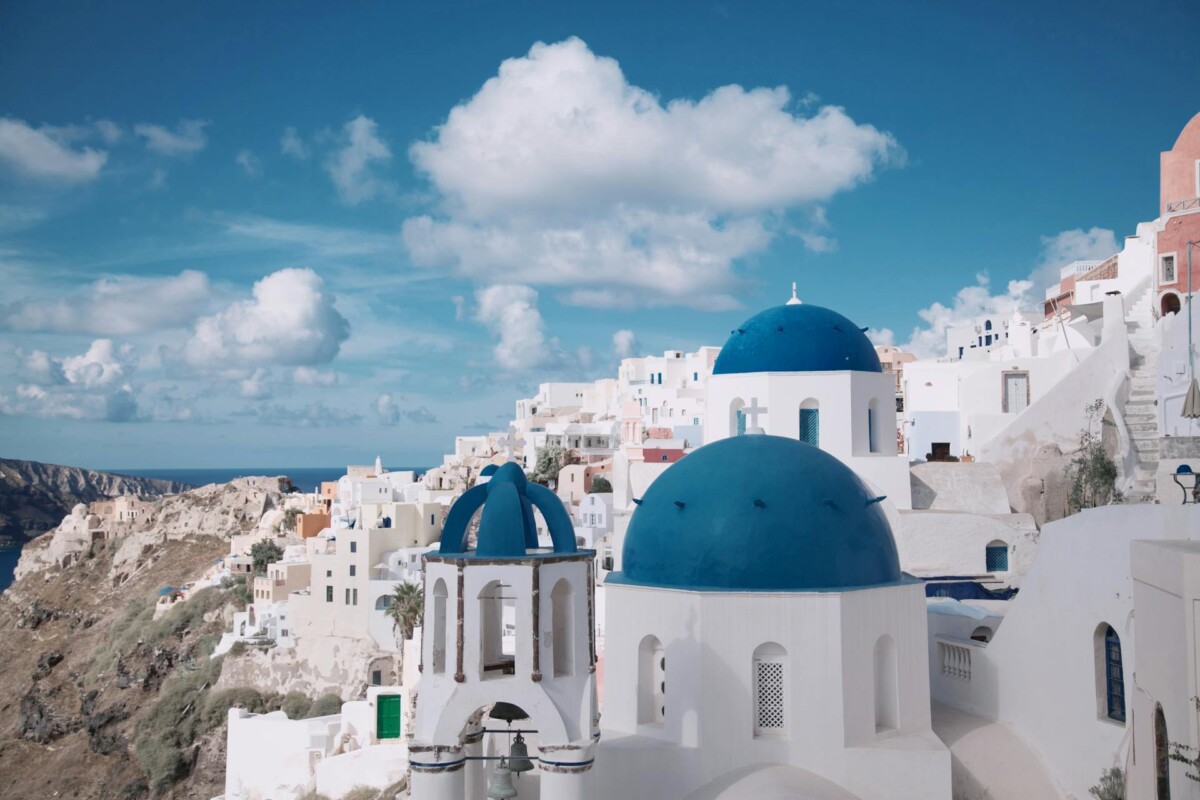
While tourism can lead to infrastructure improvements, it can also strain local resources. Over-tourism in places like Santorini, Greece, and Dubrovnik, Croatia, has caused overcrowding, traffic congestion, and pressure on public services. These issues can reduce residents’ quality of life and, if unmanaged, may lower property values over time.
Environmental Degradation
Uncontrolled tourism can lead to environmental damage, negatively affecting property values. Issues like coastal erosion, pollution, and habitat destruction are common in popular tourist destinations. For example, beaches in Phuket, Thailand, and Bali, Indonesia, have suffered from pollution, potentially diminishing the desirability and value of nearby properties.
Regional Differences in Tourism’s Impact
The effect of tourism on property values varies by region. In major global cities like New York, London, and Tokyo, tourism is just one of many factors affecting property values, often with a less pronounced impact. However, in smaller or emerging markets, such as those in Southeast Asia, Central America, or Eastern Europe, tourism can have a more significant effect, sometimes transforming the local real estate landscape completely.
For example, Bali has experienced a tourism boom that led to increased villa developments, with foreign investors buying properties for vacation rentals. This has driven up land prices in popular areas, spurring rapid urbanization and economic shifts. Conversely, in cities like Paris or Rome, where tourism is well-established, its impact on property values is more gradual and intertwined with broader economic factors.
Conclusion
Tourism has a complex relationship with property values. It can drive demand, spur economic growth, and attract foreign investment, all of which boost property values. However, it can also lead to market overheating, seasonal volatility, and environmental challenges, which may negatively affect property values over time.
Understanding this intricate relationship is crucial for investors and local governments. Sustainable tourism practices, careful urban planning, and effective regulation can help mitigate negative impacts while maximizing the benefits of tourism-driven real estate markets. As tourism continues to evolve globally, its influence on property values will remain a key consideration for stakeholders in the real estate industry.