
Category: Tech & Internet

  • How Green Resorts in Bali Are Leading the Sustainable Tourism Movement

    How Green Resorts in Bali Are Leading the Sustainable Tourism Movement

    Bali has long been a tourist paradise, with its stunning beaches, rich culture, and vibrant hospitality. But beyond the beauty, Bali is on a mission to achieve zero emissions by 2045, thanks to government initiatives and policies to transform the tourism industry, particularly resorts in Bali. The role of green resorts is more crucial than ever as they set the standard for sustainability and environmentally-conscious tourism. With the government and eco-friendly resorts working hand-in-hand, Bali is well on its way to a greener future.

    Bali’s Green Resorts: Pioneers of Sustainable Tourism

    Eco-friendly resorts in Bali are more than luxurious retreats; they are pioneers in the sustainable tourism movement. By implementing eco-conscious practices, these resorts raise the bar for others to follow. Some resorts are showing that they can be luxurious and environmentally friendly simultaneously by using renewable energy, cutting down on plastic waste, and serving local and organic food.

    One of the standout features of these green resorts is their commitment to energy efficiency. Several resorts in Bali use renewable power sources like solar panels and wind turbines to support the environment by reducing their carbon footprint. This cuts down on harmful emissions and provides a blueprint for other hotels and resorts to follow, both in Bali and worldwide. With eco-friendly innovations, these resorts help pave the way for sustainable tourism while contributing to the island’s long-term environmental goals.

    How Green Resorts Support Bali’s Zero Emissions Goal

    Bali’s ambitious goal of achieving zero emissions by 2045 is supported by the proactive measures taken by green resorts. These eco-conscious resorts lead by example, showing how sustainable practices can reduce environmental impact and align with Bali’s vision for a greener future.

    One significant way resorts in Bali contribute to this goal is through water and waste management programs. Green resorts address two of the most pressing environmental challenges by incorporating rainwater harvesting systems, water-efficient fixtures, and waste recycling. These resorts are reducing their ecological footprint and developing a benchmark for sustainable tourism.

    The shift towards sustainable energy sources also helps reduce Bali’s dependency on fossil fuels. Many eco-friendly resorts now rely on solar energy, reducing greenhouse gas emissions. This supports Bali’s zero-emissions target and aligns with global sustainability trends. Integrating these sustainable practices makes eco-resorts a vital component in Bali’s roadmap to 2045.

    Read More ITDC Accelerates Gas Pipeline Construction at Beach Resorts in Nusa Dua Area.

    The Rise of Eco-Tourism: Attracting Conscious Travelers

    As travelers become more conscious of their environmental effects, green resorts attract a new breed of conscious tourists. These visitors seek experiences that combine luxury with sustainability, making eco-friendly resorts in Bali their top choice. From being the best family resort in Bali to offering immersive eco-tourism experiences, green resorts cater to environmentally-conscious travelers and those looking for a luxurious getaway.

    Moreover, many green resorts have adopted initiatives that promote local culture and traditions, supporting Bali’s communities while offering authentic experiences to their guests. Encouraging cultural exchanges and supporting green resorts can help create a type of tourism that is good for the environment and the local economy. This is becoming more popular as people look for better travel options for the planet. Further, it reinforces Bali’s commitment to becoming a zero-emissions destination.

    The Future of Sustainable Tourism in Bali

    Green resorts in Bali are undeniably leading the charge in sustainable tourism. From reducing energy consumption to incorporating eco-friendly designs, these resorts are setting the standard for what responsible travel can and should look like. With Bali’s goal of achieving zero emissions by 2045, eco-friendly resorts play a critical role in making that vision a reality. Whether you’re staying at a Bali beachfront resort or the best family resort in Bali, you can be part of the movement towards sustainable tourism. In the years to come, Bali’s green resorts will continue to be the trailblazers in creating a more sustainable, eco-conscious world of travel.
  • Electric Vehicles and Public Transportation: The Future of Sustainable Urban Mobility

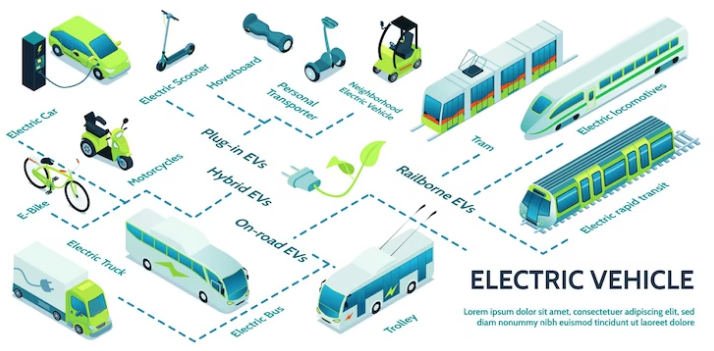
    As cities worldwide grapple with issues like air pollution, traffic congestion, and climate change, electric vehicles (EVs) are emerging as a critical solution for sustainable urban mobility. However, while EVs are often associated with individual ownership, they also have enormous potential for public transportation. In this article, we’ll explore the role of electric vehicles in public transportation and the benefits they can offer to cities and their residents.

    Electric Vehicles Public Transportation

    Why Electric Vehicles are Ideal for Public Transportation

    Electric vehicles are an ideal fit for public transportation for several reasons:

    Reduced Emissions

    Public transportation is a significant contributor to urban air pollution, which can have severe health impacts on residents. EVs emit no tailpipe emissions, which can significantly reduce air pollution in urban areas.

    Lower Operating Costs

    Electric vehicles have significantly lower operating costs than traditional diesel or gasoline-powered vehicles. This can help reduce the overall cost of public transportation, making it more affordable and accessible for riders.

    Quiet and Comfortable

    Electric vehicles are quiet and offer a smooth ride, making them more comfortable for passengers. This can help improve the overall rider experience and make public transportation a more attractive option for commuters.

    Improved Safety

    Electric vehicles have a lower center of gravity than traditional vehicles, which can improve stability and reduce the risk of rollover accidents. They are also less likely to catch fire or explode in a collision.

    Flexibility

    EVs can be designed to meet specific public transportation needs, such as bus rapid transit or light rail. They can also be designed to run on particular routes or serve specific populations, such as low-income communities or people with disabilities.

    Examples of Electric Vehicles in Public Transportation

    Electric vehicles are already being used in public transportation around the world. Here are a few examples:

    Electric Buses

    Electric buses are becoming increasingly popular in cities around the world. For example, Shenzhen, China, has replaced its fleet of over 16,000 buses with electric buses. Other cities like London and Los Angeles have committed to electrifying their bus fleets in the coming years.

    Electric Trains

    Electric trains have been used for many years, but new technologies like battery-electric trains make them even more sustainable. Battery-electric trains can operate on non-electrified tracks, reducing the need for expensive infrastructure upgrades.

    Electric Ferries

    Electric ferries are becoming an increasingly popular option for public transportation in coastal cities. For example, Oslo, Norway, has launched a fleet of electric ferries that run on renewable energy and produce no emissions.

    Electric Vehicles Public Transportation

    Benefits of Electric Vehicles in Public Transportation

    Benefits for public transportation:

    Reduced Emissions

    As mentioned earlier, electric vehicles produce no tailpipe emissions, which can significantly reduce air pollution in urban areas. This can have significant health benefits for residents and help cities meet their climate goals.

    Cost Savings

    Electric vehicles have significantly lower operating costs than traditional vehicles, which can help reduce the overall cost of public transportation. This can make it more affordable and accessible for riders.

    Improved Rider Experience

    Electric vehicles are quieter and offer a smoother ride than traditional vehicles, which can improve the overall rider experience. This can make public transportation a more attractive option for commuters.

    Increased Resilience

    Electric vehicles are less vulnerable to oil price spikes or supply disruptions, which can help increase the resilience of public transportation systems. They can also be powered by renewable energy sources, making them less vulnerable to fossil fuel supply chain disruptions.